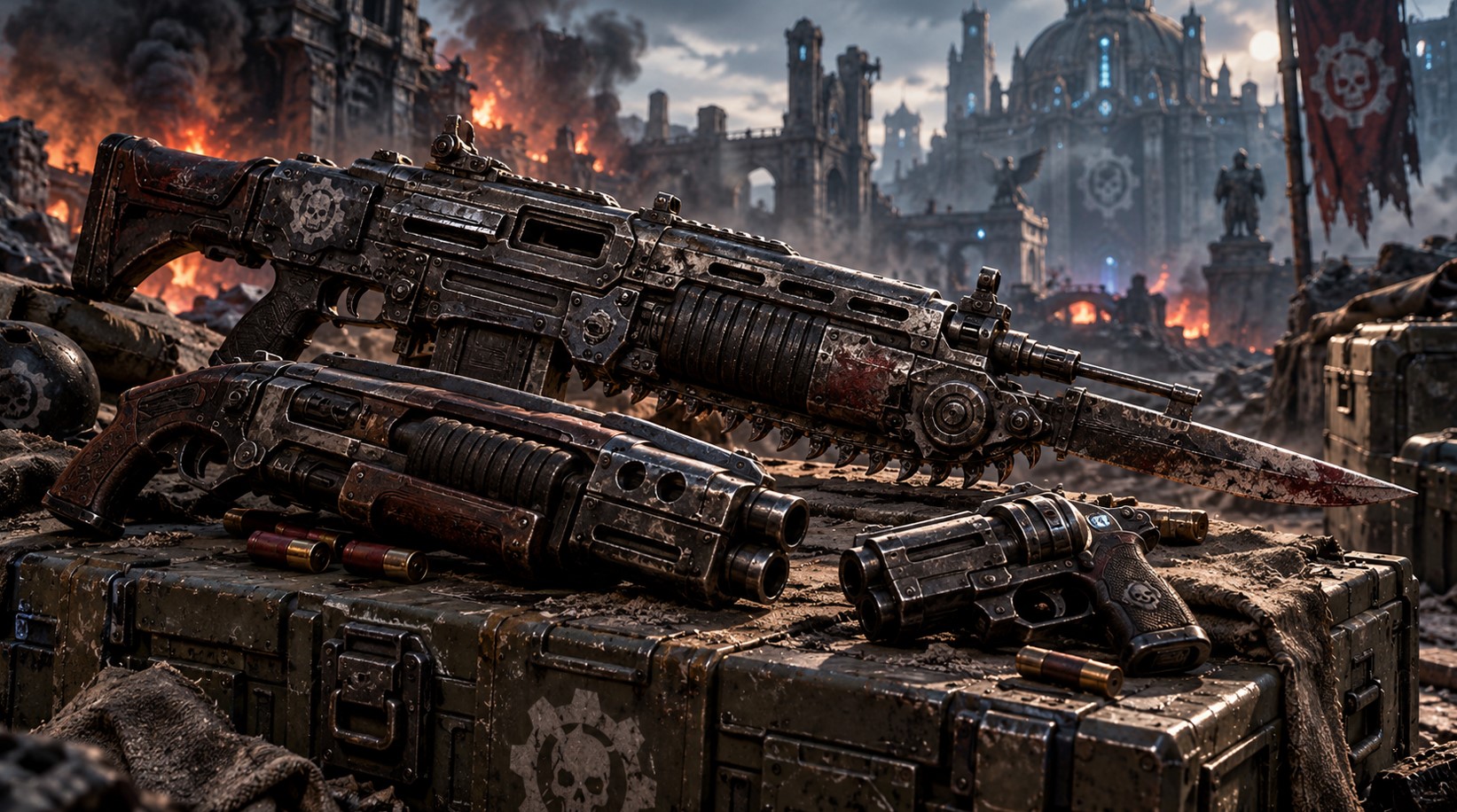
Gears of War E-Day Weapons, Sorted by the Problem They Solve Most weapon guides hand you a list organised by category. Rifles here, shotguns there, pistols at the bottom like an afterthought. That’s a terrible way to think about a Gears game, because category tells you what a gun looks like rather than what it’s for. In a firefight, you’re never asking “do I want a rifle?” You’re asking, “How far away is that Drone and how long do I have?” So let’s sort the whole arsenal by distance instead. E-Day launched today, October 6, on Xbox Series X|S and PC, day one on Game Pass. The base loadout pool runs to ten primary and secondary weapons, two sidearms and four equipment items, with heavy weapons picked up during fights. Two guns are brand new to the series, one makes its Gears debut, and the one everybody’s arguing about got nerfed before anyone fired it. Range Band Weapons What They’re Solving Point-blank Gnasher, chainsaw Lancer, executions Something is already on top of you Short Incinerator, Gut Puncher, Ripper, Retro Lancer Clustered enemies in a confined space Mid Lancer MK1, Prototype Lancer, Hammerburst, Snub, Striga The default distance of most encounters Long Longshot, Breechshot, Torque Bow Picking targets before they close Area denial Frag, Smoke, Concussion, Heavies Changing the shape of the fight Work through those bands and you’ve covered everything. Let’s take them in order of how fast they’ll kill you if you get them wrong. Point-Blank: The Gnasher Argument Start here because it’s the change with the most noise around it. The Gnasher dropped from eight shells to six. For a weapon that’s been the competitive spine of this series for twenty years, that’s not a tuning pass – that’s a design statement. Two fewer shells means two fewer whiffed shots before you’re reloading in someone’s face. What softens the blow is the new round-by-round active reload. You can chamber mid-cycle rather than committing to a full reload animation, which means a smart player gets shells back into a fight faster than the raw capacity suggests. The trade is that you’re now managing a resource during a duel rather than before it. Practical reading: Six shells rewards patience over pressure. The old spray-and-pray Gnasher rush is a losing play now. Round-by-round chambering is your lifeline – practise interrupting the reload cycle so you’re never fully empty. Pair it with something mid-range. A Gnasher-only loadout leaves you helpless in the gaps between cover. Distance discipline matters more than ever, because missing twice is now a third of your magazine. Then there’s the chainsaw Lancer, which E-Day treats as a story beat rather than a given. The campaign covers its origin, which is a genuinely fun bit of prequel design – you watch a thing you’ve taken for granted since 2006 get invented. Mechanically, it’s still the reward for closing distance successfully, and executions now restore health if you’ve got the right armor mod equipped. More on that later. Short Range: The New Stuff Lives Here Both of E-Day’s brand-new weapons sit in this band, and they’re the most interesting additions in years. The Incinerator is an Imulsion-based shotgun that keeps working after the initial shot. The burn effect continues damaging whatever you hit, which turns it from a burst weapon into a damage-over-time one. Reviewers described it as an acid shotgun and flagged it as strong against clustered enemies, which is exactly right – you’re not trying to delete one Drone, you’re trying to set a group on fire and let the tick damage do the rest. The Gut Puncher is a grenade launcher with manual detonation. You hold the fire input and release it to trigger the charge, meaning you’re placing explosives and picking the moment rather than firing and hoping. That makes it a reading weapon. If you can predict where a squad will be in a second and a half, it’s devastating. If you can’t, you’re decorating a wall. The Ripper is the LMG making its Gears debut, and its hook is that fire rate climbs the longer you hold the trigger. Sustained pressure gets rewarded, which inverts the usual burst-fire discipline most shooters train into you. Hold it down. Rounding out the band, the Retro Lancer returns with its bayonet charge intact – still the most committed thing you can do in a Gears game, still occasionally the right call. Gears of War E-Day Weapons for the Mid-Range Majority This is where most of your trigger time actually happens, and it’s the band people underinvest in. Lancer MK1 is the baseline, and it being an MK1 matters – this is the weapon before it became the icon. Prototype Lancer is the variant with a higher fire rate, which makes it the better pick when you’re suppressing rather than placing shots. Hammerburst returns as an accurate six-round burst. Precise, controlled, and the correct answer when a Drone is behind thin cover and you need rounds in the same spot twice. Sidearms split cleanly. The Snub is the familiar backup pistol. The Striga is new – a pistol introduced for E-Day with its own showcase, and the second of the two sidearm slots. Suppression and accuracy are different jobs – Prototype Lancer for the first, Hammerburst for the second. Sidearms aren’t a last resort anymore, since weapon mods apply to them too. Mid-range is where ballistics bite. Every projectile now has real travel time, so holding the crosshair on a moving Drone will miss behind it. Shoulder swapping while aiming finally lets you peek left-hand cover without exposing your whole body. That ballistics point deserves repeating because it undoes a decade of muscle memory. Tracers and impact effects now match the actual simulation, so what you see is what the game calculated. Lead your shots. Long Range: Three Very Different Snipers Longshot is the classic bolt-action – high damage, slow cycle, punishing if you miss. Breechshot is the one that’ll dominate conversation, because it delivers a one-shot
Rust Upkeep: What Your Base Quietly Charges You Every Day
Rust Base Upkeep Explained: Costs, Decay & Tips Building in Rust is not a purchase. Every wall, floor, and door you place adds to a running upkeep bill, and the game takes a cut of it out of your tool cupboard every day, whether you log in or not. Most new players discover this the hard way, usually by returning after a couple of days to find half the base gone. The mechanic is not hidden; it is just never explained anywhere in the game. Understanding the numbers ahead of time changes how you build, and it is the difference between a base you can sustain and one that eats everything you farm. How the Charge Is Calculated? Each structural piece has a build cost, and the daily upkeep is roughly ten per cent of the total build cost of everything inside the cupboard’s radius. Place more, pay more, every single day. The costs themselves are legible once you know them. A wooden block runs 200 wood, a stone block 300 stone, a sheet metal block 200 metal fragments, and an armoured block 25 high quality metal. Doors are priced separately, which matters because players almost always place more of them than they meant to. Twenty high-quality metal and five gears buy an armoured door, while a plain wooden one is 300 wood and a sheet metal door 150 fragments. Why Everybody Ends Up Using a Rust Building Calculator? A system with clear per-piece costs and a percentage-based recurring charge is easy to state but hard to keep in your head. Once a base passes a few hundred pieces, the daily bill stops being anything you can estimate by feel. Rustly’s base cost calculator is one of the community answers to that. You enter how many blocks and doors sit at each tier, and it returns the total wood, stone, metal fragments, and high-quality metal required, along with the daily upkeep figure. That turns a vague worry into a planning number. If the calculator says your design costs a certain amount of high-quality metal a day, you know before you start whether your current farming routine can support it. The same site carries the rest of the reference layer around the game, including a wipe timer, monument pages, item costs, and a raid calculator, all taken from game values rather than estimated by hand. It is an independent fan project with no connection to Facepunch. What Happens If You Do Not Pay? Upkeep only bites because non-payment has a defined consequence. When the cupboard runs dry, the structure begins to decay, and the clock depends entirely on the material you built with. Twig lasts about an hour, wood three, stone five, metal eight, and armoured twelve. That tiering does quite work, because cheap materials punish absence quickly while expensive ones buy you a weekend away. There is one detail worth remembering. A cupboard destroyed while it still holds resources spends up to a day of upkeep on the way out, so a raided base does not necessarily vanish the moment the raiders leave. Designing for a Bill You Can Afford The first practical rule is to stop upgrading everything. Upgrading an internal wall nobody will ever shoot at costs you resources twice, once to place it and again every day afterwards. The second is to watch external footprint rather than internal complexity. Wide bases with long walls carry an upkeep cost out of proportion to the loot they protect, which is why compact designs remain popular several years into the game. Honeycomb layers are the usual exception people argue about. They add real defensive depth, but every one of those cells is a piece the cupboard has to pay for, so they belong on the parts of the base worth defending rather than everywhere. The third is to keep the cupboard genuinely stocked rather than topped up in a panic. Overfilling it is not wasteful, since anything unspent stays there. Fitting It Around Wipe Cycles Most servers wipe on a weekly or fortnightly cycle, which changes the calculation entirely. A base that would be unsustainable over a month is perfectly reasonable for six days, and there is no point engineering for a timescale the server will never reach. Facepunch ships an update every month, and building costs do occasionally shift with it. The Rust news hub on Steam is where those changes get posted, and any calculator worth using reads the new values rather than reprinting old ones. Moving Forward Upkeep is one of the few systems in Rust that punishes you for not thinking rather than for not shooting well. Working out the daily cost before you place the first foundation is a genuinely useful ten minutes. Run your planned design through a calculator, compare the daily bill against what you actually farm in a session, and adjust the material tiers rather than the size. The rest of our game guides cover the more forgiving end of the survival genre.
Flashpoint Codes (October 2026)
The Latest Flashpoint Codes (October 2026) Here’s something nobody tells you up front about Flashpoint codes: they split neatly into two completely different buckets, and which ones you rush for depends entirely on what kind of speedster you’re trying to build. Some of these codes hand you suits – permanent cosmetic skins that let you cosplay as different versions of the Flash. Others drop cash, EXP, and Rebirth Tokens, the consumable fuel that actually powers you up. The collector wants the first bucket. The grinder wants the second. Most of us want both, honestly, and the good news is you can grab the lot in one sitting. So that’s how we’re going to tackle this. Instead of one messy pile, I’ll sort every working code by what it gives you, so you can zero in on whatever matters to your playstyle. Quick setup first, though. Flashpoint: Worlds Collide is a Roblox superhero game from developer Varis Studios where you take after the Flash – the fastest good guy on the planet – racing around an open world, running missions, and powering up your speedster. The codes are how you kickstart that journey. The Collector’s Haul: Every Suit Code in Flashpoint If you’re the type who cares how you look blazing across the map, this is your bucket. These codes unlock cosmetic suits, each one a different Flash variant pulled from across the comics, shows, and games. The best part? Cosmetic codes like these tend to stick around far longer than the cash ones, so they’re the reliable backbone of the list. The Full List of Flashpoint Suit Codes Here’s every suit code confirmed working as of October 2026, cross-checked across trackers: Code Suit Reward ClicksterYT Clickster Suit MartyZealousTooQuick Zealous Suit V3X0XZ Vex / Vexoxz Suit nonstoptt Kbnonstop Suit jldownfall The Flash (Suicide Squad: Kill the Justice League) Suit n3g4t1v3 Negative Flash Suit velocity9 1x Velocity Nine (V9) Notice the pattern in those names? A bunch of them – ClicksterYT, MartyZealousTooQuick, nonstoptt – are nods to content creators and community figures. That’s Varis Studios tipping its hat to the people who cover the game, and it means these codes stick around as semi-permanent shout-outs rather than vanishing in a week. The jldownfall code is the real gem for DC fans, dishing out that Suicide Squad: Kill the Justice League rendition of the Flash. Grab them all; a suit you don’t like is still a suit you didn’t pay for. One oddity worth flagging: velocity9 isn’t a suit exactly, but a Velocity Nine item – a nod to the speed-boosting serum from the lore. It sits with the cosmetic-ish codes because it’s a one-off collectible rather than a stack of grind currency. Claim it anyway. The Grinder’s Fuel: Cash, EXP, and Rebirth Codes Now for the other bucket – the codes that actually make you faster and stronger. If you’re here to climb the ranks rather than pose for screenshots, these are your priority. They hand over cash, EXP, and Rebirth Tokens, the three resources that drive your progression. Here’s the honest catch, though, and I won’t dress it up: these progression codes rotate fast. Really fast. The suit codes are stable, but the cash-and-EXP ones get swapped out with nearly every update, which means the exact codes live today may differ from what you see by next week. The ones below were confirmed active across sources in early October, but treat them as redeem-right-now rather than redeem-whenever. Code Reward LightTheWay! 50,000 Cash, 50 EXP Recovery&Resilience! 50,000 Cash, 50,000 EXP WEATHERWIZARDTHISSATURDAY 3 Rebirth Tokens weatherwizard (long event code) 3 Rebirth Tokens, 50 EXP A note on those last two. The “Weather Wizard” codes are tied to a recent content drop adding that villain to the game, and they hand out Rebirth Tokens – which brings us to the single most valuable thing codes give you here. Let me explain why those tokens matter so much. Why Rebirth Tokens Are the Real Prize Of everything in the grinder’s bucket, Rebirth Tokens are the ones to guard jealously. Here’s the thing about rebirth systems in games like this: rebirthing resets some of your progress in exchange for permanent power multipliers, letting you come back stronger and climb faster than before. It’s the long game, the mechanic that separates casual players from the ones genuinely dominating the leaderboard. Rebirth Tokens grease that whole process. They’re not the kind of reward you trip over through normal play, which makes the code-given ones genuinely precious. So while 50k cash is nice and a chunk of EXP is always welcome, those three Rebirth Tokens from a Weather Wizard code are the rewards I’d cross the room to redeem first. Cash and EXP, by contrast, you’ll earn plenty of just by playing – racing missions, beating challenges, generally zipping about. The codes accelerate that, sure, but they’re topping up something you’re already generating. Tokens are harder to come by, so they punch well above their weight. Prioritize accordingly, speedster. How to Redeem Flashpoint Codes in a Flash? Redemption is quick – fitting for a game about the fastest man alive – but there’s one prerequisite worth knowing. Some rewards only land properly if you’ve joined the developer’s Roblox group first, so do that before you start. Redeeming Flashpoint Codes Step by Step Here’s the full process: Join the Varis Studios community group on Roblox (do this first to be safe). Launch Flashpoint: Worlds Collide and wait to load in. Click the Codes button on the left side of your screen. Type or paste a code into the text box exactly as written. Hit Redeem, and your reward lands right away. Those suit codes with mixed capital letters and leetspeak – V3X0XZ, n3g4t1v3 – are exactly the ones that get mistyped most, since a zero looks like an O and a 3 reads like an E at a glance. So copy and paste rather than typing by hand. A single wrong character is the number one reason a perfectly
Open Sea for Animals Codes (October 2026)
The Latest Open Sea for Animals Codes (October 2026) Let me guess how you got here. You searched for Open Sea for Animals codes, expecting a long list of freebies, and now you’re bracing for disappointment because every source keeps showing just one. So let’s address that head-on before anything else: yes, there’s only one active code right now. And no, that’s not a bad sign. It’s actually exactly what you’d expect from a game this fresh. Here’s the thing people miss. A short code list usually means one of two things – either a game is old and abandoned, or it’s brand new and still finding its feet. Open Sea for Animals is firmly the second kind. The single code available is literally named “Release,” which tells you everything: it’s the launch gift, handed out to early players, with more surely on the way as the game grows. So instead of padding this out with fake codes or expired junk – which half the internet will happily do – I’m going to give you the one real code, show you exactly how to claim it, and then do something more useful. Active Open Sea for Animals Codes To Grab Right Now Here it is, the single confirmed working code as of October 2026, cross-checked across the trackers that actually test them: Code Reward Release Rare Bat animal That’s the lot. A Rare Bat, free, just for being around early. Grab it now, because launch codes like this one tend to have a shelf life – once the game moves past its opening phase, “Release” may well retire. Don’t sit on it. Now, a Rare Bat might not sound like much if you’re new. But in a game built entirely around collecting animals, a rare one straight out of the gate is a genuine leg up. Let me explain why. Why Just One Code? The Good News Think about what a launch code signals. The developer, xFrozen x Dudes, has only just put this game out into the world. The code list isn’t thin because they’re stingy – it’s thin because there simply hasn’t been time yet for milestones, events, and patches to rack up, which is what usually triggers fresh codes in Roblox games. That’s good news for a couple of reasons. For one, a new game means you’re getting in early, before the playerbase balloons and the meta settles. For another, new Roblox games on a growth streak tend to be generous with codes as they chase milestones – hitting visit targets, celebrating player counts, apologizing for the inevitable launch-week bugs. So the single code today is very likely the start of a growing list, not the whole story. The catch, and I’ll be honest here, is that the developer drops codes at their own discretion. There’s no fixed schedule, no promised cadence. So the smart play is to claim what’s live now and check back regularly rather than waiting for a flood that arrives on its own timetable. Patience, basically. The sea isn’t going anywhere. What a Rare Bat Actually Does for You Okay, so why care about one rare animal? Because of what animals are in this game. Open Sea for Animals is a collection game at heart – you gather a menagerie of creatures, and here’s the key part: those animals earn currency for you, even while you’re offline. They’re not just cute companions sitting in a display case. They’re little income generators. So a Rare Bat isn’t a cosmetic trinket. It’s an early engine. A rarer animal typically pulls in more profit than a common one, which means that free bat from the Release code is quietly padding your currency while you go about your day. And currency is what fuels everything else – stronger animals, deeper ocean exploration, the works. That’s the loop in a nutshell: collect animals, let them generate profit, spend that profit growing stronger, then part the seas further to find even better creatures. A rare starter nudges that whole flywheel into motion faster than you’d manage on your own. One code, real impact. Not bad for thirty seconds of typing. The Game Is the Real Reward Machine Here’s the shift in thinking that’ll actually serve you. In a lot of Roblox games, codes are the main freebie pipeline. In Open Sea for Animals, they’re a nice bonus – but the game itself is where the real free rewards pour in. The core systems are built to keep handing you animals and currency whether or not a single code exists. Source What You Get Effort Required Offline earnings Currency banked while you’re away None – fully passive Parting the seas Animal eggs pulled from the depths Active play Boss encounters Bigger payouts and rarer drops Progression and combat See the pattern? The code gives you one head-start animal, but the game keeps the rewards flowing indefinitely. Parting the seas to rescue eggs is the heartbeat of the experience – crack the ocean open, find eggs, hatch new companions. And every creature you add compounds your passive income, which bankrolls deeper dives and tougher bosses, which cough up rarer loot still. It’s a self-feeding cycle, and codes are just the appetizer. So if you ever feel short-changed by the slim code list, reframe it. The game’s generosity isn’t in its codes – it’s in its design. That’s a far healthier free-reward engine than a game that rations everything behind code drops. How to Redeem Open Sea for Animals Codes with Verify? Claiming the Release code is quick, and it lives in the shop menu where most Roblox games tuck their code boxes. Here’s the exact path. Redeeming Open Sea for Animals Codes Step by Step Follow these and your Rare Bat lands in seconds: Launch Open Sea for Animals on Roblox and wait to load in fully. Open the Shop menu, usually via the shop icon on screen. Find the Codes tab at the top, or scroll to the code
Pokopia Mystery Gift Codes (October 2026)
Active Pokopia Mystery Gift Codes (October 2026) Here’s the single most important thing to understand about Pokopia Mystery Gift codes, and it’s the one detail most lists bury at the bottom: these gifts have deadlines. Real ones. Unlike the endless code faucets you find in Roblox games, where a dead code just gets replaced by five more, Pokémon Pokopia follows the mainline Pokémon tradition – curated, occasional gifts that vanish on a set date and don’t come back. That changes everything about how you treat them. This isn’t a “redeem whenever” situation. It’s a “redeem before the timer hits zero” situation. And right now, one of them is counting down fast. Quick context if you’re new to the game. Pokémon Pokopia is a cozy creative life-sim on Nintendo Switch 2, where you play as a Ditto that’s taken human form and set about terraforming a lush little paradise for Pokémon to call home. It’s all crafting, decorating, and gentle world-building – a world away from competitive battling. The Mystery Gifts fit that vibe perfectly: they’re mostly decorative items and crafting materials, free goodies from The Pokémon Company to spruce up your patch. So let’s get them claimed, starting with the one that’s about to disappear. The One That Expires First: Grab It Today No burying the lede here. The code P0K0P1AGARDENS gives you a Chansey Plant, and it expires on October 7, 2026. If you’re reading this around launch week, that’s days away. So before anything else, go redeem it. And watch the spelling on this one like a hawk, because it’s a classic trap. That code isn’t spelled with the letter O – it’s zeros. P-zero-K-zero-P-one-A, then GARDENS. It reads like “POKOPIA GARDENS” but swaps the O’s for zeros and the I for a one. Type it the obvious way and the game will reject it every time, leaving you baffled. Copy it character by character, double-check the zeros, and you’ll be fine. That Chansey Plant is a charming little decoration, a sweet addition to any garden you’re building. But charm aside, the reason to rush is simple: once October 7 passes, it’s gone for good. There’s no second chance with these, no “oops I missed it” grace period. The clock is the whole game here. Every Active Pokopia Mystery Gift Code and Distribution Beyond that urgent Chansey code, there’s a small spread of gifts available right now. Here’s the catch that trips people up, though: only one of them is an actual password code you type in. The rest are “internet distributions” – gifts you pull down automatically without entering anything, provided you meet a condition like having pre-ordered or owning the Expansion Pass. Full Pokopia Mystery Gift Codes Here’s everything live as of October 2026, laid out with how you get each one and when it expires. Gift Reward Type How to Get It Deadline Chansey Plant Decoration Password: P0K0P1AGARDENS October 7, 2026 Ditto Rug Decoration Internet (pre-order bonus) January 31, 2027 30x Rare Pokémetal Ingots Materials Internet (Expansion Pass) September 30, 2027 Dynamic Ditto Block Set Decoration Internet (Expansion Pass) After Ditto Rug window A couple of these come with strings attached. The Ditto Rug is a pre-order reward, so if you bought the game early, it’s waiting for you. The Rare Pokémetal Ingots and the Dynamic Ditto Block Set are both tied to owning the Expansion Pass. If you don’t have those things, you simply won’t see those distributions – which isn’t a bug, just how the eligibility works. The Chansey Plant password, happily, is open to everyone. Password Codes vs Internet Distributions Let me untangle these two mechanisms properly, because the difference matters and nobody explains it clearly. Pokopia hands out gifts through two separate channels, and knowing which is which saves you a lot of confusion. Password codes are the ones you manually type in, like P0K0P1AGARDENS. The Pokémon Company shares these publicly – through events, announcements, or promotions – and anyone who has the code can redeem it. These are the “codes” most people mean when they search for Pokopia Mystery Gift codes. Internet distributions, on the other hand, need no typing at all. You just select “Get via Internet” and the game checks whether you’re eligible, then drops the gift in. These are usually tied to something like a pre-order, an Expansion Pass, or a limited-time event running quietly in the background. No code to hunt down, but also no way to grab one you’re not eligible for. So when you hear there’s a “new Mystery Gift,” it’s worth asking which kind. A password code is something you can act on immediately. An internet distribution either applies to you or it doesn’t, based on what you own. Your Mystery Gift Deadline Calendar Since timing is everything with these, here’s the whole thing reorganized as a countdown. Think of it as your personal reminder list – what to grab, by when, and whether it even applies to you. Deadline Grab This Only Relevant If… October 7, 2026 Chansey Plant (enter P0K0P1AGARDENS) You want it – this one’s for everyone January 31, 2027 Ditto Rug You pre-ordered the game September 30, 2027 30x Rare Pokémetal Ingots You own the Expansion Pass See how the Chansey code sits at the top as the burning priority? The others give you breathing room – months, in fact. But that breathing room is exactly why people forget them. “I’ll do it later” turns into “wait, when was that deadline?” So honestly, even the far-off ones are worth claiming in the same session. Why risk it? How to Redeem Pokopia Mystery Gift Codes at the Pokémon Center? Redemption happens in-game at the Pokémon Center, and there’s one requirement that catches early players off guard: you need to have progressed far enough to access the terminal, roughly an hour and a half of play. If you’ve just started and can’t find the option, that’s why. Keep playing a bit, then come back. How to Redeem Pokopia Mystery Gift

Leading Bitcoin Casinos With Exclusive Bonuses and Free Spins
Best Bitcoin Casinos: Exclusive Bonuses and Free Spins Most Bitcoin casinos look the same until you actually try to withdraw. That’s the uncomfortable truth about this space, and it’s where Bitcoin casinos either earn trust or destroy it fast. Juggling provably fair verification, Bitcoin price swings hitting your balance in real time, and wildly different rules depending on which country you’re in makes picking the right site genuinely hard. After reviewing dozens of sites across licensing, game libraries, withdrawal speed, and what people actually said about their experience, this guide breaks down the five strongest options worth your attention right now. How Did We Evaluate These Sites? Site-level data was pulled from official websites, casino review directories, and player feedback across multiple ratings sites. Only sites with a documented track record in cryptocurrency gaming made the cut, with particular attention paid to licensing status, coin support, and withdrawal reliability. Check our breakdown of the following sites: BC.GAME – Best for cryptocurrency-native players seeking provably fair games and multi-coin deposits with fast automated withdrawals. Rollbit – Best for cryptocurrency casino gaming and trading. Winz – Best for cryptocurrency casino gaming and sports betting. Gamdom – Best for cryptocurrency gaming and online casino site. BitStarz – Best for cryptocurrency casino gaming. Why the Right Bitcoin Casinos Make a Difference? Picking the wrong Bitcoin casino doesn’t just cost you a bonus. It can mean frozen withdrawals, no recourse when a dispute happens, or finding out your country is quietly geo-restricted after you’ve already deposited. The regulatory picture across different jurisdictions is genuinely inconsistent. A site licensed in Curaçao plays by different rules than one holding a UKGC license, and those differences affect what protections you actually have. Provably fair systems sound reassuring until you try to verify a seed yourself and realize the documentation barely exists. The right site removes those friction points. Faster withdrawal processing (sometimes under 15 minutes), game fairness you can actually verify, and a deposit-to-play experience that doesn’t punish you for holding Bitcoin instead of fiat. That translates directly to better player lifetime value and higher average deposit sizes, because players who trust a site spend more and stay longer. The right choice matters more here than in almost any other gambling category. Top 5 Bitcoin Casinos: What You Need to Know Note: All data in this table is sourced from review sites and the official websites of the listed companies. Company Name Years Operating Headquartered In BC.GAME Since 2017 San Pedro, Belize Rollbit Since 2014 Willemstad, Curacao Winz Since 2020 Not disclosed Gamdom Since 2016 Willemstad, Curacao BitStarz Since 2014 Sliema, Malta BC.GAME – Best for Cryptocurrency-Native Players Seeking Provably Fair Games and Multi-Coin Deposits What Is BC.GAME? BC.GAME is a crypto-first online casino and sportsbook that’s been running since 2017. What separates it from most competitors is the breadth of coin support: over 150 cryptocurrencies accepted, which dwarfs what most rivals offer (Stake, for comparison, supports roughly 20). The site runs 74 in-house provably fair Originals alongside several thousand third-party slots, live dealer tables, and a sportsbook, all under one wallet. They operate under an Anjouan license and hold Kenyan BCLB licenses awarded in August 2025. What’s BC.GAME’s Real Advantage for Bitcoin Casinos? BC.GAME solves one of the most persistent frustrations in crypto gambling: the gap between depositing in your preferred coin and actually getting paid out fast. Automated withdrawals typically complete in 5 to 15 minutes across supported assets. Their BC Engine rewards system is genuinely unusual because it distributes hourly rewards in BCD with no tier gate or wagering threshold required, and by July 2026 it had paid out over 5 million BCD (roughly $5 million equivalent) to players. The Verdict from Users: Honestly, the player feedback is a mixed picture. BC.GAME holds a Casino Guru Safety Index of 6.9, rated “above average,” but withdrawal complaints are the dominant theme across review sites, with over 696 complaints tracked by Casino Guru alone, mostly around large amounts and fiat method delays. Players who stick to crypto withdrawals report a noticeably smoother experience than those mixing in fiat options. Rollbit – Best for Cryptocurrency Casino Gaming and Trading What Is Rollbit? Rollbit operates as a crypto-based casino and trading site that blends provably fair games with over 1,000 slots and live games. Founded under the brand Bull Gaming N.V., the site has been active since 2014, making it one of the longer-running names in this space. What stands out is their multi-jurisdictional licensing setup: Curacao, UK Gambling Commission, and Gibraltar Gambling Commission all at once, which is rare and signals a serious commitment to regulatory standing. Crypto deposits and withdrawals are instant and carry no transaction fees. What’s Rollbit’s Real Advantage for Bitcoin Casinos? Rollbit addresses the trust deficit that plagues so many offshore crypto casinos by holding licenses across three separate gambling jurisdictions, giving players real regulatory recourse in multiple regions. That kind of licensing depth is genuinely hard to match among crypto-native sites and matters especially for players in regulated markets. The Verdict from Users: Rollbit’s partnership with SSC Napoli as a European Betting Partner signals mainstream credibility, and that tends to attract players who care about site legitimacy. The no-fee withdrawal structure is consistently flagged as a strong positive by players who’ve moved between sites and noticed the difference. Winz – Best for Cryptocurrency Casino Gaming and Sports Betting What Is Winz? Winz.io is a cryptocurrency gambling site that launched in 2020 and has built up a library of over 7,500 casino games, covering slots, live dealer tables, crash games, and a full sportsbook. It supports Bitcoin, Ethereum, Litecoin, Dogecoin, Tether, and BNB alongside fiat options. The site is licensed by the Tobique Gaming Commission and focuses on no-wagering bonuses and instant payouts, which stands out in a market where bonus terms are often buried in fine print. What’s Winz’s Real Advantage for Bitcoin Casinos? Winz.io targets the friction players feel when they earn a bonus but can’t actually access the winnings without
Warcraft III Reforged: Forsaken Kingdom – Is It Worth It?
Warcraft III Reforged: Forsaken Kingdom and the Debt Blizzard Finally Paid Nobody predicted this one. Blizzard walked onto the BlizzCon 2026 opening ceremony stage on September 12, announced a brand-new Warcraft III campaign, and then put it on sale before the ceremony finished. Shadow-dropped. First new Warcraft III campaign in 23 years. The last one was The Frozen Throne, July 2003. Three days later, my update queue is still healing from a 10.5GB download, and the Blizzard forums have a bug-report megathread that’s growing by the hour. That’s how these things go. But here’s the frame I keep coming back to, and it’s why this release matters more than a normal DLC drop. Warcraft III: Reforged launched in 2020 carrying one of the worst user scores in Metacritic history. Promised features missing, cut-back cutscenes, a client that broke the original game for people who never bought the remaster. Blizzard has spent six years slowly repaying that, with a big free update in 2024 for the franchise’s 30th anniversary. Warcraft III Reforged: Forsaken Kingdom is the biggest payment on that debt so far. Let’s go through it line by line and see whether the books balance. What’s Actually in the Box Three ways to buy in, and one thing everybody gets free. Product Price What It Contains Forsaken Kingdom campaign $29.99 Prologue plus three chapters. Requires Reforged Forsaken Kingdom Combo $49.99 Reforged plus the campaign, saving $10 Warcraft Forever Collection $79.99 Both of the above, the WoW: Forever Skyborne Epic Pack, 30 days of Game Time, and Forsaken and Human figurine housing decor Patch 3.0 Free Definitive Edition graphics, Forsaken Paladin, 24-unit selection, World Editor tools Two notes before you reach for a card. The Warcraft Forever Collection is limited-time and runs through January 11, 2027. And the Skyborne pack inside it is only for use in modern WoW, requiring an active subscription or Game Time – so if you don’t play WoW, that $30 premium buys you very little. For most people reading this, the decision is the flat $29.99 standalone. Debt One: The Story Nobody Told for 23 Years There’s a four-year hole in Warcraft’s timeline, and it’s been sitting there since 2004. Warcraft III ends with Arthas returning to Lordaeron. World of Warcraft opens years later with the kingdom already transformed, the Undercity established, and Sylvanas leading a faction of undead who broke free of the Scourge. How that happened has essentially been homework – scattered across novels, quest text, and wiki pages, never something you actually played. Forsaken Kingdom fills exactly that gap. The structure splits in two. First comes The Last Days of Lordaeron, a four-mission prologue, and Blizzard made an inspired decision about perspective here. You don’t play Arthas. You don’t command the Scourge. You’re the Capital City Guard, on duty, as the prince walks home. Everybody knows what happens in that throne room. Playing it from the floor rather than the dais – as one of the people whose job it is to stop something that cannot be stopped – is the kind of reframing that makes a familiar scene land again. Project lead Brad Chan’s framing during the panel was dry about it: things do not go especially well for anyone on guard duty. From there, the main campaign picks up the survivors of that massacre. Sylvanas, the newly risen Forsaken, the fight to carve out the Undercity beneath their own ruined capital, and enemies both old and new, including the Scarlet Crusade. You’ll pass through Andorhal and a post-culling Stratholme along the way. Blizzard also pulled several minor World of Warcraft NPCs into leading roles – Dark Ranger Anya and Leonid Barthalomew among them, alongside new leads like Garek Bandarion. For anyone who spent years running past those names in Tirisfal Glades without a second thought, that recontextualization is a genuine treat. Total runtime is roughly 30 hours with nearly an hour of in-game cinematics. Chan called it “chonky.” It is not a mission pack. Debt Two: The Graphics Promise From 2020 This is the one that stung most six years ago, and Patch 3.0 takes a genuinely interesting approach to it. Rather than doubling down on the Reforged art style that split the community, Blizzard built a third option called Definitive Edition. Art Director David Ok’s stated philosophy was preservation – keeping the readability, bold silhouettes, iconic unit identity and stylized charm of the original while pushing fidelity forward. More than 600 units were remade for it. There’s overhauled lighting and fog technology, dynamic lighting, day-night transitions, and maps built with real verticality. Mode Look Who It’s For Classic Original 2002 presentation Purists and low-spec machines Reforged The 2020 remaster’s art direction Players who liked the detail push Definitive Edition Original silhouettes, modern rendering The compromise most people wanted in 2020 Crucially, the new graphics are optional, and Definitive Edition is free to everyone who owns Reforged. You don’t need the campaign to get it. That distinction matters. Blizzard could easily have paywalled the visual overhaul behind the $29.99 purchase and plenty of publishers would have. Not doing so reads as an acknowledgment that the graphics were an unpaid debt rather than a new product. Early community response to the look has been the warmest part of the whole launch. Even the more critical forum reviews – including one player who went out of their way to declare themselves anti-nostalgia before laying into the price – conceded that Definitive Edition looks excellent. Debt Three: Everything Else in Patch 3.0 The free half of this release is quietly substantial, and it’s aimed squarely at the people who kept this game alive for two decades. The headline addition is the Forsaken Paladin, a new neutral Tavern hero available to all players. His kit: Righteous Fury – charges forward, dealing damage and slowing nearby enemies. Consecration – instant-cast area heal that blesses the ground and damages enemies; friendly undead take no damage from it, though they gain no benefit either. Sacred Aura –

Black Cat Costume in Marvel Rivals: Every Skin Ranked
Black Cat Costume in Marvel Rivals: Casing the Whole Vault Felicia Hardy has been in this game for five months and she already has a wardrobe problem. Not a small one either – of her five costumes, two can’t be bought at all right now, and one of the two you can still get disappears on September 24. That’s a tight window, and most of the price lists floating around don’t mention it. So let’s do this properly, in the spirit of the character. Case the vault first, work out what’s actually in it, figure out what the fence is charging, and identify which scores are still open. Because a Black Cat costume in Marvel Rivals isn’t priced the way you’d expect – route matters more than rarity, and the difference between two Legendaries can be 200 Units purely because of where they came from. Quick context if you’re new to her: Black Cat arrived as the game’s 49th hero in Season 7.5: The Hunt Is On, on April 17, 2026. She’s a Duelist built around Fortune – a resource she steals from enemies, capped at 1,200, which she trades to an extradimensional deity called the Gilded Saint for combat relics. Wall climbing, double jump, grappling hook, and Erica Lindbeck reprising her voice work from the Insomniac Spider-Man games. Now, the goods. Costume Rarity How to Get It Status Coastal Cat Legendary Krakoan Reels Vol. 2 premium track Until September 24 Wild Card Legendary Store, 2,000 Units Left store June 26 Urban Predator Epic Store, 1,400 Units Available Gilded Shadow Rare Store, 600 Units Available Beguiling Blue Rare Gold rank, Season 7.5 Window closed Five costumes. Two purchasable. Neither of the two you can buy outright is Legendary, which matters more than it sounds – we’ll get to why. Every Black Cat Costume in Marvel Rivals You Can Still Get Today Three are technically obtainable right now, but only two involve a store page: Urban Predator – 1,400 Units solo, 1,600 for the bundle. This is her launch skin from April 17, and it’s the pick of the buyable pair. It’s modeled on an outfit from Black Cat (2019) #1: a black two-piece with “meow” emblazoned across the top. Genuinely a comic homage rather than a generic recolour, which is rarer than it should be in this game’s store. The 1,600 bundle adds the Prowling the Pavement MVP animation, the Here Kitty Kitty emote, plus a nameplate and spray. If you only want the outfit, the solo price saves you two hundred. Gilded Shadow – 600 Units, also from April 17. It’s a Rare, which in this game means a palette swap and nothing else. Buy it if you specifically like the colours. Don’t buy it expecting anything to feel different, because it won’t. Coastal Cat – and this is the one with a clock on it. Released August 13 as part of the Marvel Rivals Swimsuit Special, it sits on the paid premium track of the Krakoan Reels Vol. 2 event. There’s no Units price. There’s no store listing. You get it by buying the event pass and grinding the track, and the whole thing closes on September 24. Its in-game flavour text is one of the better lines NetEase has written: sun, sand, and absolutely nothing to steal – lounging like a real cat feels pretty good. The bundle carries the Kindred Spirits MVP animation, the Freestyle Float emote, a nameplate and a spray. Worth knowing that only around 24 of the game’s 53 heroes got a swimsuit skin at all, so this isn’t a line that’s coming back every summer for everyone. If Black Cat is your main and you want this one, the decision is now, not later. Event-track cosmetics don’t reliably rotate into the store. The One That Got Away Wild Card is, by consensus, the best Black Cat costume in the game, and you almost certainly can’t have it. It launched May 29 as part of the Formula R set at 2,000 Units solo, 2,200 bundled – and left the store on June 26. Roughly a four-week window. Here’s why it stings. It’s the only one of her costumes with reworked effects rather than a straight model swap. The Legendary tier in Marvel Rivals is where animations and ability visuals actually change, and Wild Card is the sole entry in her lineup that spent that budget properly. The 1,600-Unit Urban Predator is a model swap by comparison, and everything below it is a recolour. The bundle was loaded too: the Solo Run MVP animation at Legendary tier, the What Felines Fancy emote, a Wild Card nameplate and spray. Is it gone forever? Probably not. Limited-time costumes in this game have returned in past seasons, and Season 0’s battle pass came back by popular demand earlier this year – albeit at a higher price than its original run. But there’s no announced plan, and building your Unit budget around a hypothetical rotation is how people end up with 4,000 Units and nothing they wanted. The One You Had to Earn Beguiling Blue arrived on May 15 and wasn’t sold at all. It was a competitive reward for reaching Gold rank during Season 7.5. Rare tier, so mechanically it’s another recolour – but it carries something the store skins don’t, which is proof you were there. That’s the entire appeal of ranked cosmetics and it’s why they’re worth more socially than they are functionally. If you missed that season, there’s no path to it currently. No purchase decision to agonize over, which is at least restful. What a Black Cat Costume in Marvel Rivals Actually Changes This is the part that decides whether any of the above is worth your money, and it’s poorly explained in-game. Rarity What You Get Worth Paying For? Legendary New model, reworked visual effects, often altered ability visuals Yes, this is the tier that feels different Epic New model and textures, no effect changes Sometimes, if the design is a
Setting Limits in Responsible Gambling: A Practical Guide
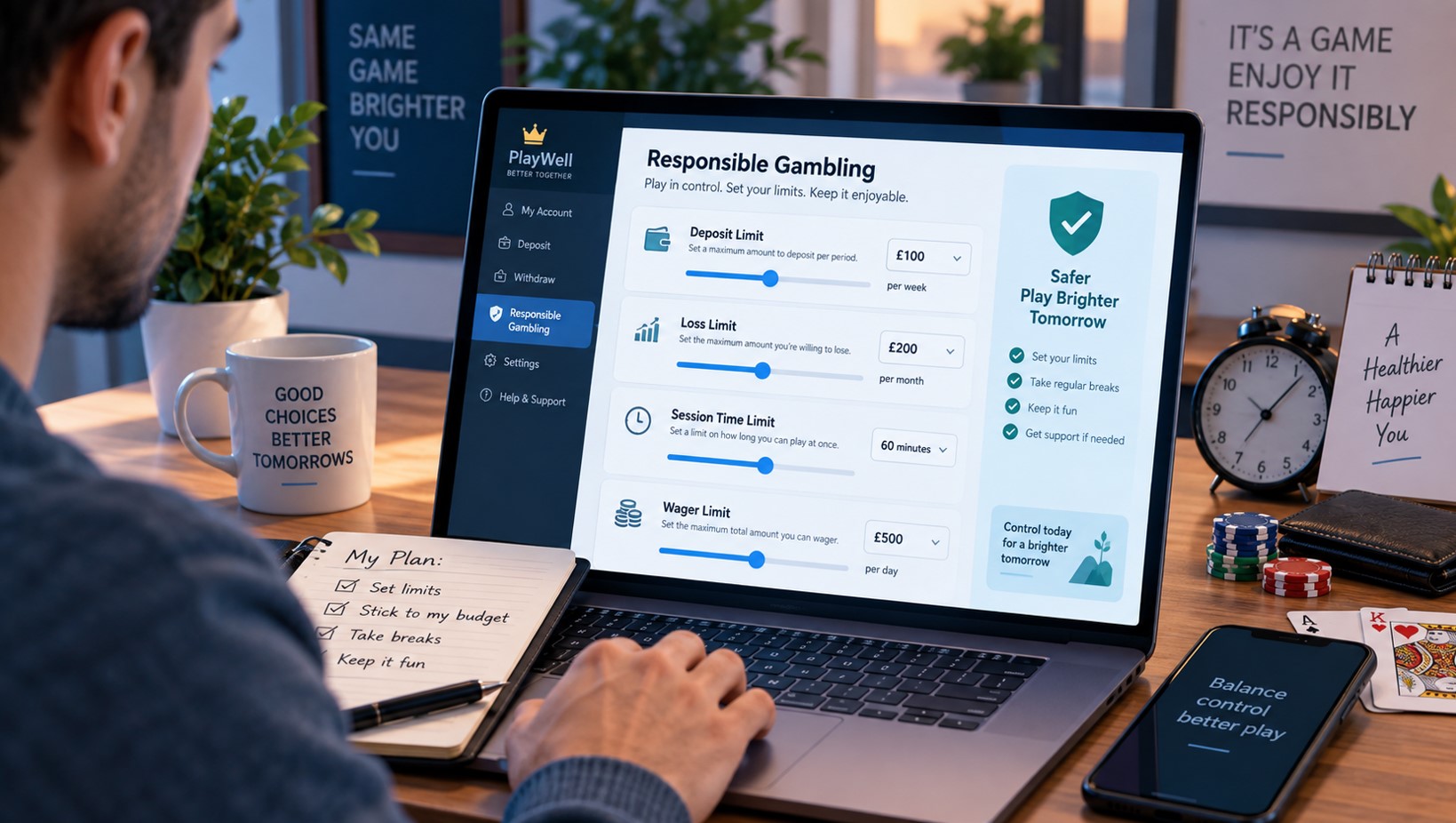
Responsible Gambling Principles: Instructions for Setting Limits Gambling can stay a pleasant pastime only when it stays within limits a person actually intends to keep. Responsible gambling starts with practical, honest boundaries: how much money you are willing to risk, how much time you will spend, and what happens the moment a session stops going your way. Many licensed platforms, including Pinco as a place where players go for entertainment rather than for losses, now build these safeguards directly into the account settings. That shift makes it easier to play on your own terms instead of the game’s, and it turns a vague intention into a rule the account itself will actually enforce. Why Setting Limits Matters? Voluntary setting limits work best when they are set before emotions take over, not in the middle of a losing streak. One of the largest datasets on this behavior, drawn from nearly 50,000 online players, showed in a peer-reviewed study on deposit limit-setting that the heaviest gamblers who chose voluntary limits spent noticeably less money a year later than those who never set one. That effect barely showed up among casual players, which is exactly why the tool is aimed at frequent, high-intensity play rather than at everyone equally, and why operators keep refining how the prompts are worded and timed. The safest bet is always the one whose size you decided on before you started playing. Types of Limits Worth Setting Most reputable platforms group their limit tools into a handful of categories in the Responsible Gambling section, each covering a different kind of risk. Deposit limits – cap how much money can be added to an account daily, weekly or monthly. Loss limits – pause play once a set amount has been lost, regardless of how much was deposited. Time or session limits – close the game automatically after a chosen duration. Wager limits – restrict the size of individual bets. Combining two or three of these, instead of relying on a single number, tends to give players a far more realistic picture of their own spending, and it makes it harder for one runaway session to undo weeks of careful play. Turning Limits Into a Habit Limits only help if they get revisited, not set once and forgotten. Gambling disorder affects a small but fairly consistent share of adults worldwide, according to global data from the World Health Organization, and harm tends to concentrate among the smaller group of players who gamble most intensely and least predictably. Reviewing your own numbers every few weeks, lowering them after a rough month, and treating any urge to raise a limit mid-session as a warning sign are simple habits that keep the whole system working as intended, rather than turning into paperwork nobody looks at again. Making Limits Part of How You Play None of this requires giving up gambling as a form of entertainment. Setting limits is closer to budgeting for a night out than to restricting yourself, and features like the Pinco limits settings exist specifically so that the decision gets made in advance, not in the heat of the moment. The players who get the most out of online play tend to be the ones who treat their own limits as fixed points, not suggestions, checking in on them the same way they would check a budget before a trip. Small, regular checks matter more than the size of any single limit – a modest deposit cap reviewed monthly protects a player far better than a generous one set once and forgotten. Treat the settings page as part of the game itself, not a chore to skip, and revisit it any time your habits or your budget change. P.S. Please support YaninaGames if you’ve enjoyed reading this post. Much appreciated!
Why the 9×9 Block Puzzle Is the Perfect “One More Round” Game
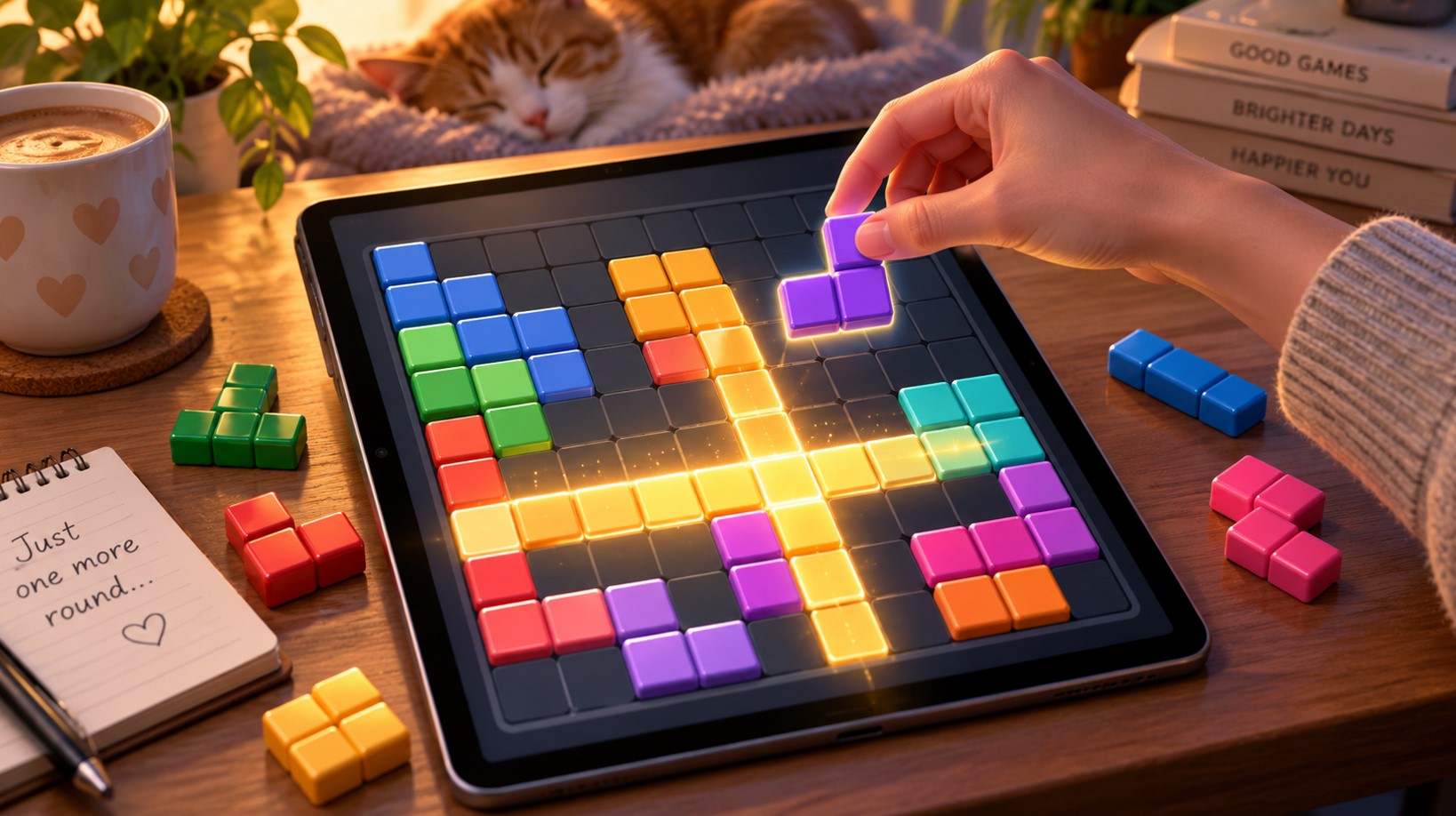
The Famous 9×9 Block Puzzle – How to Play Smart? Every few years, a simple game format quietly takes over phones and browsers without any marketing push – and the 9×9 block puzzle is one of the clearest examples. It looks almost too basic to be interesting: drop shapes onto a grid, clear full rows and columns, keep going. Yet it’s become one of the most-played casual formats around. There are real design reasons for that, and they’re worth understanding whether you’re a player or someone who builds games. The Rules Take Ten Seconds to Learn The entire ruleset fits in a sentence: place the pieces you’re given anywhere on a 9×9 grid, and any complete row or column clears. There’s no timer, no falling pieces, no penalty for taking your time. That instant comprehension is a huge part of the appeal – there’s zero friction between opening the game and actually playing it, which is exactly what a casual game needs. Where Does the Depth Actually Hide in the 9×9 Block Puzzle? What makes it more than a toy is that clearing lines isn’t the hard part – not running out of room is. Unlike a falling-block game, nothing forces your hand, so every loss is entirely your own decision-making. The strategy emerges naturally: Keep the board open. The core skill is placing pieces so you always leave space for the awkward shapes – the long bars and big squares that will otherwise end your run. Set up multi-line clears. Clearing a row and a column in one placement is where high scores come from, and it takes real planning. Think about the next pieces. You typically see three shapes at once; the best players place the current one with the other two already in mind. That gap between “trivial to learn” and “genuinely tricky to master” is the sweet spot that keeps people coming back. The 9×9 Grid Is a Deliberate Choice It’s not an accident that the classic size is nine by nine. A smaller grid fills too fast and feels cramped; a bigger one drags and loses tension. 9×9 is large enough to plan on and small enough that a couple of careless placements matter. It’s the same instinct behind sudoku’s 9×9 layout – a size that stays readable while still holding real complexity. Why Does It Work in The Browser? A lot of people know this format as a mobile app, but it’s arguably even better as a browser game. There’s nothing to install and no account to make; you open the tab and play. A 9×9 block puzzle that runs straight in the browser fits perfectly into the way the game is actually played – a quick round on a break, closed when you’re done, with no notifications trying to pull you back. The Takeaway The block puzzle’s staying power comes from an old design truth: the simplest rules often produce the most replayable games. Ten seconds to learn, no pressure while you play, and a strategic layer that rewards the players who look ahead. That combination is why “just one more round” turns into twenty – and why the format isn’t going anywhere. The YaninaGames team works for you, so please support by sharing this post online! Thanks for the feedback.