The Incredible and Vast World of 2D RPG Games
The big universe of Role-Playing Games (RPGs) has seen many changes since it first showed up around the end of the 1980s. From the early days with only text-based adventures to the AAA game masterpieces with photorealistic graphics in 2024, this game category has changed a lot. The RPG projects are really interesting and stunning with passionate fan groups and technological improvements. Classic top 2D RPG games with pixel art and isometric perspective stand aside in this genre. The developers of YaninaGames really enjoy creating 2D games including RPG titles. We want to share some key features, backgrounds, and tips for beginner developers!
The Brief History of 2D RPG Games Development
The Beginning – The Birth of 2D RPGs
The 1970s and 1980s were when the first RPGs came out. These initial projects typically had text-based interfaces alongside basic graphics. The establishment of the genre can be attributed to these early games, with titles such as “Dungeons & Dragons” (1974) and “Ultima IV: Quest of the Avatar” (1985). The projects are preparing for the growth of 2D RPG games. When pixel art emerged and PC games became popular, it led to the making of more visually appealing games. The best illustrations are “The Bard’s Tale” (1985) and “Wasteland” (1988). Not only did these initial games create the genre, but they also set the base for more intricate and captivating ones.
The “Golden Age” of Old 2D RPG Games
In the 1990s, there was a big growth in the popularity of 2D pixel RPG games. This came with the arrival of important titles such as “Final Fantasy VI” (1994), “Chrono Trigger” (1995), and also “Tactics Ogre” from that same year. These games highlighted the technical features during this period and showed off how imaginative developers could be. The increasing number of online communities helped boost this type of role-playing game, as gamers exchanged advice, tactics, and fan artwork.

The Era of 3D Graphics
The transition to 3D graphics in the late 1990s and early 2000s marked a significant shift in the RPG niche. Games like “Final Fantasy VII” (1997) and “The Elder Scrolls III: Morrowind” (2002) pushed the boundaries of storytelling and gameplay. They also led to the decreased popularity of 2D RPG mouse movement games. However, the rise of indie game development and the resurgence of pixel art in the 2000s and 2010s led to a renewed interest in classic 2D offline RPG games.
The Indie Revolution
Steam and GOG platforms as well as the rising popularity of the RPGMaker led to a fresh trend of indie developers. The small teams and solo artists created indie 2D RPGs with simple visuals but with interesting storylines and engaging mechanics. The games of this era such as “To the Moon” (2011), “The Binding of Isaac” (2011), and “Hyper Light Drifter” (2016) not only showcased what indie developers can do but also proved that paid and free 2D RPG games are still in demand.
The Modern Era
2D RPG games in 2024 and 2025 still deliver a prosperous existence, mostly thanks to small indie studios like Pinkcrow or our humble team. There is a big selection of these games accessible for different platforms – including 2D RPG games on Switch, Steam, PlayStation, and Xbox. The dawn of mobile gaming and the increasing availability of indie game development have contributed to an upsurge in 2D RPGs as well, from esteemed productions like “Pillars of Eternity” (2015) to well-liked ones such as “Tales of Maj’Eyal” (2012). We’ve also received some of the best Android 2D RPG games and on iOS ported like “Stardew Valley” (2016) and “Dead Cells” (2017). The old-school nostalgia component has also caused this category to experience a revival in popularity, with many people searching for classic titles or new games that reflect past times.

2D RPG Games – Main Categories
Classic and Old 2D RPG Games
The development of 2D RPG games comes from the old-fashioned 2D role-playing games. Games like “Baldur’s Gate” and “EarthBound” are well-known and show classic features such as deep stories and pixel art. People feel nostalgic about such a visual style that many connect to their memories of playing earlier types of RPGs. These games are famous not just for their good qualities but also because they have significantly affected how modern RPGs appear and feel. They hold a special spot in the minds of gamers who love this genre. People usually remember these old 2D RPG games on PC for their intricate stories, memorable characters, and interesting mechanics.
“Indie” 2D RPGs
Independent 2D RPG games for PC and consoles are having a renaissance because of the explosion of small teams and publishers who are not dependent on large corporations. Well-known PC platforms like Steam and itch.io have made it easier for these independent makers to present their unique titles. The games like “Undertale” and “Lisa” display this innovation within the category. Indie developers who lack big budgets may focus more on storylines, unique art designs, and new game elements.
Online and 2D RPG Co-Op Games
The Internet had a big effect on multiplayer online RPGs. These games come in many forms – from free 2D RPG games you can play on your smartphone to those that require a powerful PC setup. “Stardew Valley” mostly recognized for its farming simulation, brings together playing roles (RPG) and working together in gaming. This blend of features makes it popular with people who enjoy group experiences within the game community. The emphasis is on games you can play along with others, so it lets players team up for quests or fights and adventures. This enhances the social part of gaming.
Dark 2D RPG Games In the Horror Genre
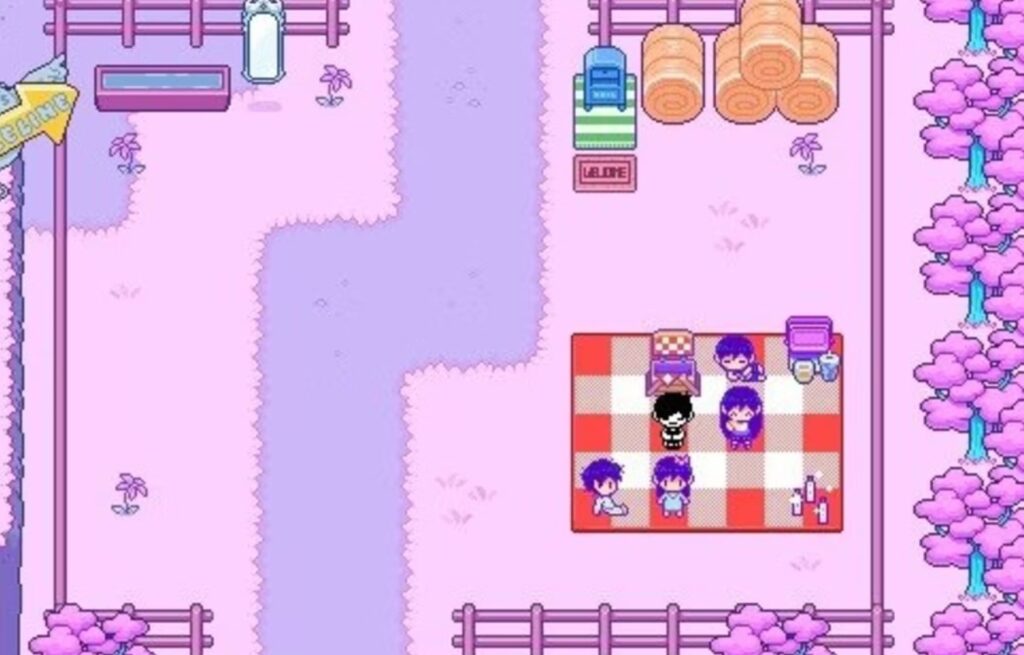
Games like “Yume Nikki” use RPG elements to tell unsettling tales and build frightening environments. Usually, these types of games focus more on mental fear, creating an absorbing yet disturbing experience.
2D Action RPG Games
Some games, like “Hyper Light Drifter”, have smooth fighting and exploring experiences. These kinds of titles mix fast action with the typical elements of an RPG to offer a dynamic and engaging play style.
2D Open World RPG Games
These games offer vast worlds for exploration. For example, “Terraria” is a top-notch open-world RPG with a sandbox experience that encourages people to discover and create. You can build, explore, and walk through quests in a large procedurally generated world.
Multiple genres of 2D RPG games allow you to create your projects from scratch with the simplest instruments and basic knowledge. Check the Reddit thread to read about 2D games development.
The Key Elements of All 2D RPG Games
Before starting the development of a 2D role-playing game, you ought to understand the key elements that are present in any game title of this genre despite the variety of styles and mechanics.
Story and Narrative
2D RPG games with their storylines are rich in detail and interest. These stories keep players engaged, creating a sense of connection to the game’s world. The narrative typically contains surprises, shifts in direction, and complex character development that contribute to its long-lasting impact.
Exploration and Quests
Players travel through the game’s world, discovering new parts and hidden things. They solve the riddles and complete the missions, which can range from simple tasks to complex quests that have a significant impact on the story’s quest.
Inventory Management
Managing items and resources is a crucial part of the game, defining how players use their inventory by managing and crafting health potions, magic items, etc.

Change of Characters
Players can change how their playable characters appear, what they can do, and the skills they possess. Such customization enhances the whole experience, allowing players to create a character that reflects their unique style of playing and preferences.
Interaction in a World of Games
The world of the game is active, having various parts that players can interact with. Non-player characters (NPCs) give missions, share knowledge, and create a sense of life in the gaming world. Moreover, players can communicate with objects and environments to find concealed aspects or progress in the narrative.
Combat
The battle mechanics in 2D combat RPG games have turn-based or real-time mechanics with tactical elements. In turn-based games, most players have time to plan their actions. However, during real-time fighting, thinking and reflexes need to be fast from players.
Leveling and Skill Advancement
When players advance in the game, their characters also become more powerful. They gather experience points (XP) from defeating foes and completing missions that can be used to unlock new skills.
Classes and Development
You can choose the class of your character with different skills and stats. This will affect how you play the game because as you develop your character, it can match with what method of playing style suits you best such as magic use, fighting power, or stealthy abilities among many more choices.
Items and Equipment
Players can loot many types of things, objects, weapons, and armor while on their journey. These items can make them better at doing things, teach new abilities to the characters, or provide resources needed for survival and progression.
Opponents and Boss Battles
The opponents that players confront are not all the same – these are regular enemies or powerful bosses. The fights against bosses are more difficult, requiring players to use all their abilities and strategies for success. These encounters often mark a turning point in the story of 2D RPG games online and offline.
Basic Steps to Create 2D RPG Games with RPGMaker Software
Making a 2D RPG game using the special RPGMaker software is simple and easy to understand. You ought to have some basic coding skills and knowledge to use this maker, but this package of tools is the best way to start for a novice who has never created real 2D RPG games before. Yes, the graphics and mechanics will be quite limited, but it can easily become your way to becoming an indie developer with a solid portfolio or even earn some money.
The basic steps are more like a plan you need to have before the development:
1) Install RPG Maker
First, you must select and install the version of RPG Maker that is suitable for your requirements. RPG Maker MV and RPG Maker MZ are two well-liked selections with strong capabilities. Go to the official website and get this software installed on your computer.

2) Start a New Project
Open RPG Maker and click on “New Project”. Give a name to your project and decide where you want it saved. The tool will create the folders and files needed for your game in that location.
3) Understand the Interface
Get to know the main interface, which includes:
- Map Editor to design your game world;
- A database can help to manage game data like characters, items, and skills.
- Event Editor helps to create events and interactions.
- Tileset Selector assists in choosing and placing tiles to create maps in good 2D pixel RPG games.
4) Create Maps
Use the Map Editor to create the in-game world. Select tilesets from the resource manager and use them to build your terrain. Use different layers (ground, buildings, etc.) to add depth and detail. You can also create events to move the player between maps.
5) Design Characters and NPCs
In the Database, you can find the “Actors” tab where you create your main characters. Here you can set up and customize their main stats:
- Stats: Define health, magic, attack, etc.;
- Appearance: Choose sprites and portraits;
- Classes: Determine their role and abilities;
6) Add Items, Weapons, and Armor
In the Database, you can configure the Items, Weapons, and Armor tabs. Define your character’s attributes and the levelling-up conditions.
7) Create Skills and Abilities
When choosing the Skills tab, design the abilities for your characters. You can use the effects of each skill (damage, buffs, healing) and the use of skills.
8) Develop the Plotlines With Story Quests
Use the Event Editor to script your game’s story and interactions. You can write dialogues, build logical quests, and cutscenes with certain scripts. Almost all top 2D RPG games on Steam have solid stories to tell, so you should consider creating a great plotline.
9) Playtest
Click the Playtest button to test your game frequently; it will help to find bugs and make the gameplay better.
10) Deploy the finished project
When your game is finished, you can complete it by finalizing assets and polishing the game. Use the Deployment feature to export your gaming project for distribution.

These are the principles you should follow to build a working prototype of 2D RPG games. The YaninaGames team uses these principles when involved in commercial 2D game development.
Some of The Best 2D RPG Games for Inspiration
When you start your career as a game developer, it is essential to look up to the best examples of new and old 2D RPG games. The role-playing masterpieces created by small and large studios, in different visual styles, and with different game mechanics will help you find the most suitable for your pet project.
The availability of tools like RPG Maker and the open-source Godot engine has made the development of 2D RPG games for PC offline easier.
These games are a beautiful blend of art, story, and engaging gameplay:
- Pillars of Eternity (2015). This title has received high praise for its intricate story and interesting fighting methods.
- Hyper Light Drifter (2016). It is famous for its distinct art style and complex fighting, where you can explore a gorgeously crafted world.
- Tales of Maj’Eyal, also known as ToME (2012). This free and open-source RPG offers a huge world for players to dive into. It has intricate combat mechanics.
- To the Moon (2011). This game offers the heart-breaking storyline with its strong story and emotional elements.
- The Binding of Isaac (2011). This roguelike RPG gained much popularity due to its unique art and engaging play.
Why do we love 2D RPG games? Mostly, because they deliver visually stunning experiences with engaging environmental storytelling. The YaninaGames team enjoys 2D game development because these games help to build great memories and have incredible feelings of joy, melancholy, and fun, as we had back in our childhood days.

The YaninaGames team supports your desire to create and inspire by building interesting 2D game projects with unique art, smart engines, and sophisticated, replayable mechanics. We hope you will share our passion and become our reader or even a partner in crime. Let’s create something beautiful in the immersive world of good 2D RPG games.
FAQ about 2D RPG Games Development
Is it easy to develop 2D indie RPG games with the Unity engine?
It depends on many factors like your coding skills, the number of team members, and the complexity of the game. The Unity engine is considered one of the best for new game developers because of its flexible instruments, simple interface, and thousands of video tutorials. You can start your journey as a Unity indie game developer by watching YouTube tutorials for creating 2D RPG games.
What are the best engines for creating 2D offline RPG games?
Most beginner developers who used their first indie projects to create 2D RPG games are the already mentioned RPG Maker (available on Steam and consoles) and Unity. These are the most obvious choices. Also, you can try using more “heavyweight” engines – GameMaker Studio, Construct, Stencyl, Unreal Engine, etc.
What is the best language for 2D RPG games?
To build classic 2D pixel RPG games, you may use JavaScript due to its flexibility. Also, you can use HTML5 and CSS to develop a 2D RPG game title with JavaScript. It is the best programming language for creating 2D sprites, animations, particles, and other 2D elements. You can try using the game engine Phaser, based on JavaScript frameworks.
What are some of the best 2D RPG horror games?
Indie developers frequently choose the horror genre because it is the easiest way to attract the attention of the audience and Twitch streamers. Some of the best 2D RPG games on PC in this genre – Fear and Hunger, Omori, GU-L, Lone Survivor, and Reveal The Deep.
Conclusion
The world of 2D RPG game development is an exciting area that mixes creativity, technology, and narrative. For the YaninaGames team and the rest of the developers who create games, it’s important to look back at what worked well in past times while also moving forward with fresh ideas. No matter if you are making a small-scale indie game or trying for big success on a popular platform, you should recognize the different elements involved in 2D RPG games making can help guide your efforts to make games that touch people’s hearts and last long into the future.