Mobile Gaming Is Rising Like Never Before
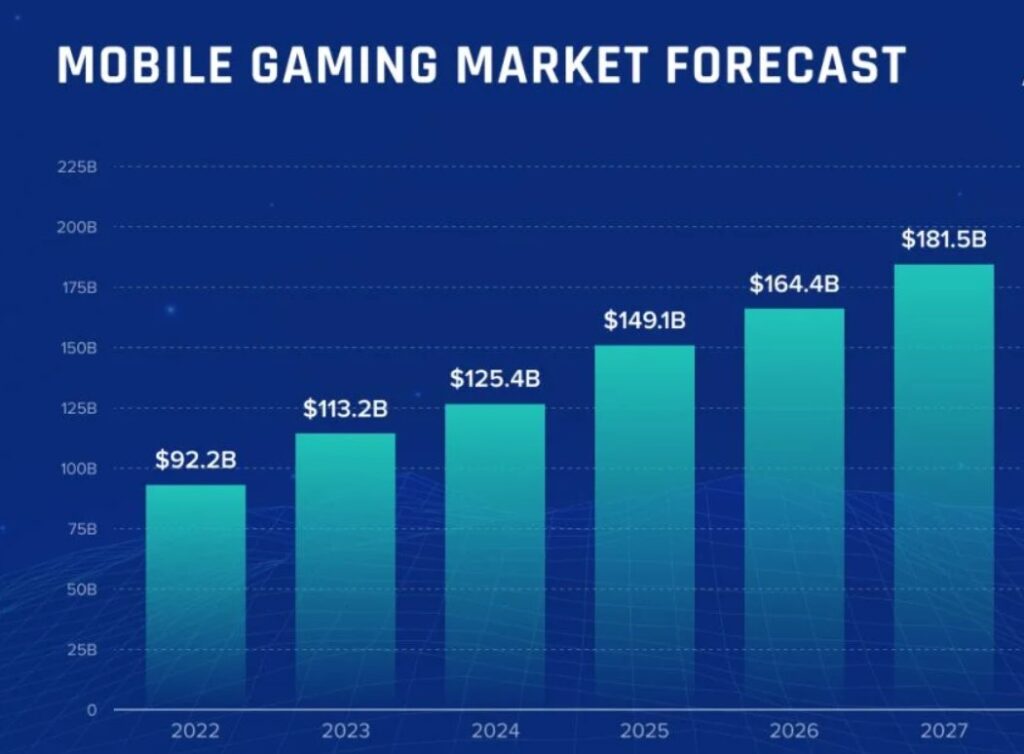
Gaming has never stood still in the face of technology, and in 2025, the most obvious change is the replacement of living rooms with mobile screens. Mobile devices have replaced the consoles that were once considered the standard in terms of performance and immersion with more flexibility and accessibility. Mobile gaming is no longer a prediction but the reality that is shaping the manner in which people play. The YaninaGames explains the reasons behind the popularity of mobile gaming taking over consoles in 2025.
Mobile Platforms Growing Beyond Casual Play
The variety of experiences that can be offered on phones and tablets is one of the largest reasons why mobile gaming is surpassing consoles. It is no longer just a basic puzzle or arcade title. Mobile is being designed into live-streamed games, competitive esports, and even real-money activities. Telegram gambling sites have become a significant point of discussion since they demonstrate how phone-based gaming has evolved into a serious ecosystem that sustains real stakes, active communities built around thousands of casino games hosted on Telegram, and exciting tangible rewards. This change underscores the fact that mobile has not only become a secondary platform but also the primary platform of many players across the globe.
Hardware and Performance Are Converging
One of the reasons why consoles have been dominant over the decades is performance. High frame rates, powerful graphics, and seamless multiplayer experiences could only be ensured with dedicated hardware. iOS and Android flagship devices will now match that performance by 2025. Phones with multi-core processors, increased RAM, and dedicated graphics cards can easily play live-stream games and titles that are graphically intensive.
Adaptive refresh rates and cooling systems also imply that phones can have longer sessions without overheating or slowing down. Mobile devices have further narrowed the gap with console-quality controllers that can be paired with mobile devices to provide players with the tactile experience they desire and the convenience of portability. Where consoles require a single fixed configuration, mobiles now provide a similar experience everywhere.
Accessibility Is Overtaking Exclusivity
Consoles have always been based on exclusivity, certain games that could only be played on a particular machine. Mobile, though, has tilted towards accessibility. Nearly anyone can download, play, and connect in real time with a smartphone. The other reason is lower entry costs; consoles can cost hundreds of dollars to buy initially, whereas mobile players already have the device.
Cloud streaming and subscription models have made whole libraries accessible without having to purchase costly hardware. Be it strategy, RPGs, or live-service shooters, mobile platforms are draining users out of console ecosystems due to the ease of access, speed, and inclusivity. The accessibility also comes with bigger and more varied audiences, which in turn draws more developers and investment.
Social Connectedness Is Inherent
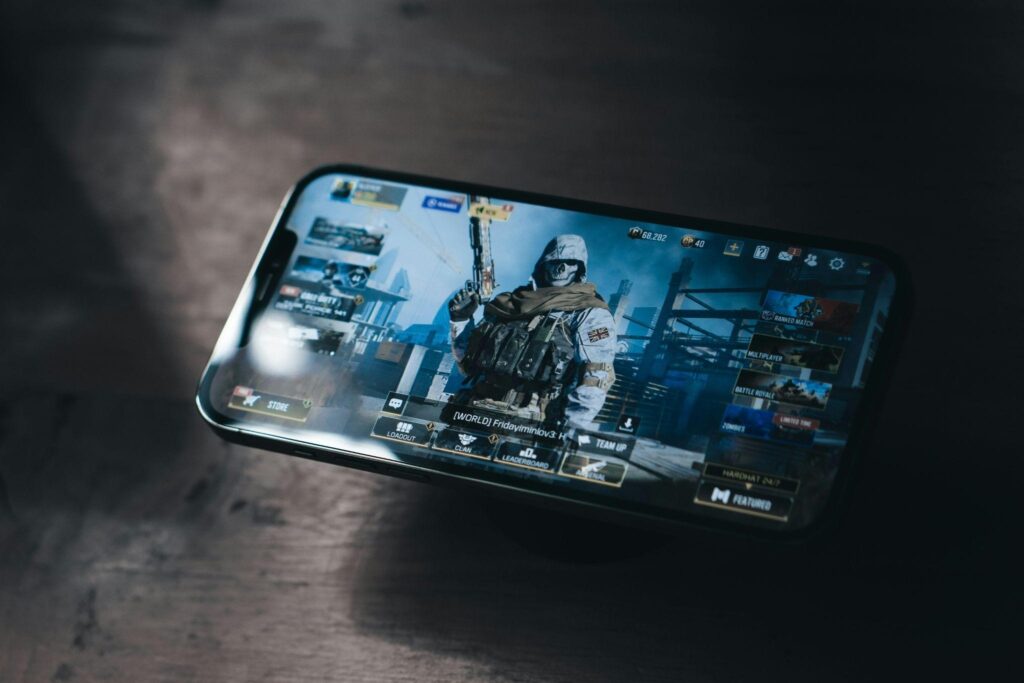
Mobile gaming is increasingly becoming social, and mobile phones are created to be used in such an environment. The device used to play the games also supports messaging, video calls, and sharing of content, and therefore, users do not need to change platforms. The obstacle to collaborative play is practically nonexistent since friends are able to participate in sessions directly through group chats.
This integration has changed the way people play. Games that can be played by multiple players do not need to be planned or scheduled to meet or have a session on the console, but can occur at any time, during commutes or breaks, all through mobile devices. The communities that develop around these games develop rapidly because the platforms are already a part of everyday digital life.
Mobile Innovation is Faster
The cycle of mobile development is shorter and more flexible than the console space. Mobile devices are updated annually, whereas consoles usually have a generational leap every five to seven years, and developers can push live updates to games more quickly. It implies that new features, fixes, and improvements are delivered to players on a regular basis, making experiences fresh.
This pace of innovation has created genres and monetization models that would have struggled in slower-moving console markets. Cross-platform play is also increasingly popular, and mobile gamers can now participate in the game with PC or console players without any issues. Mobile is at the heart of that ecosystem as developers strive to reach as many people as possible.
Changing Player Habits and Markets
Mobile gaming is also popular among global players. Also, mobile gaming has become the new default method of gaming in emerging markets where consoles are still too expensive. Free-to-play games, low-cost data plans, and reduced versions of mainstream games have established massive player bases in regions. These audiences have influenced design decisions, and mobile-first approaches are currently a focus of studios worldwide.
Habits are changing even in markets where consoles are still strong. The mobile gaming niche allows individuals to play games in brief spurts or longer games without necessarily spending a whole evening in front of a TV. This flexibility is more in line with the busy lifestyles of many players. With the industry still focusing on user behavior, the advantage is obviously on mobile.
Conclusion
By 2025, mobile gaming will have become the main platform in the industry, rather than a supporting one. The performance enhancements, accessibility, in-built social capabilities, and worldwide connectivity have surpassed what consoles can provide. Where consoles had a role in defining the future of play, mobile has redefined it by fitting into how people live, connect, and spend time today. There is still a place for consoles in certain audiences and genres, but mobile is obviously on the rise.
The YaninaGames will continue to post interesting content for game developers and mobile gamedev, in particular. If you’ve enjoyed reading this post, please support it by bookmarking and sharing it online across social media. Also, you can contact us anytime to work together on creative game-related projects.