Understanding the Niche – C++ Anti-Cheat Practice
Nowadays, protecting a multiplayer game from cheaters is much more than an option – it’s the most important part of development. Especially when you’re making high-performance multiplayer GaaS projects with C++. Cheaters are getting smarter, and only the use of strong anti-cheat methods can stop the rule-breakers. Powerful anti-cheat elements may safeguard your game, community, and reputation.
As developers themselves, the YaninaGames team knows more than just complex systems and virtual worlds. We’re also making a fair place where skill and hard work are rewarded, not cheating and taking shortcuts. We are going to explore how to add the most powerful C++ anti-cheat systems into modern multiplayer games.
Common Cheat Tools in Modern Multiplayer Games
You must know your opponent to defend yourself. Modern multiplayer game hacks are complex and attack several game design elements. C++ developers worry most about how others may abuse our compiled code and runtime memory. Cheaters alter memories for unfair advantages. While scanning and changing memory regions with the help of Cheat Engine, they may modify a player’s health, ammunition, or position.
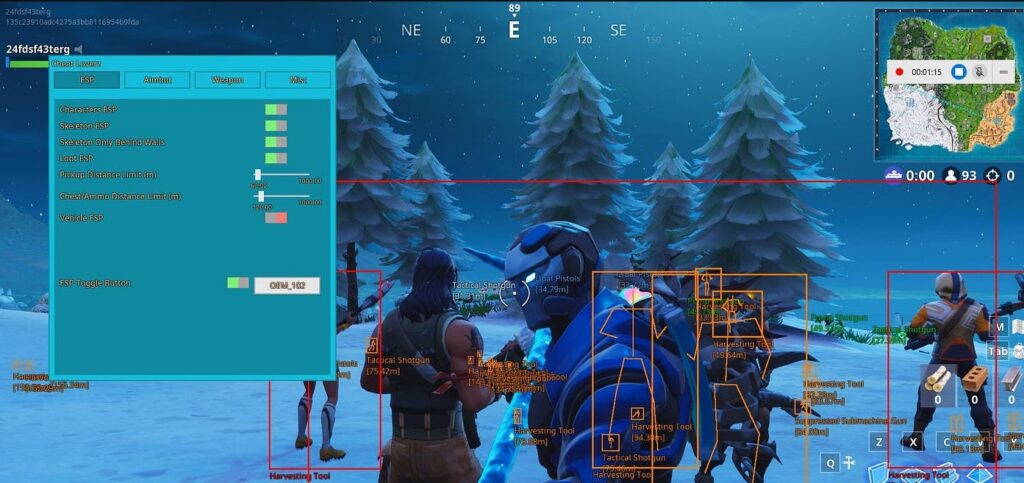
In more complex cases, DLL injection and hooking add the harmful Dynamic Link Libraries to the original game’s code. Such tools change or interrupt the “vanilla” game functions. Players and consumers must discover trustworthy sources to identify safe, reputable platforms, especially when real money or valuable assets are at risk. Developers must anticipate these dangers.
Online gambling platforms have already learnt how to cope with such cheat tools. For example, VegasSlotsOnline guides consumers through the online casino business by identifying legitimate sites and protecting them from fraud. This is like how game makers prevent hacking. Automation technologies like bots and scripts may change more than games. They can execute sequences quicker than humans, accumulate resources, and pretend to play the game for hours.
The C++ Advantage: Making Strong Defenses on the Client Side
Even while perfect client-side security is still a pipe dream—if the client can see it, a hacker can too. C++ gives you tremendous capabilities to make cheating harder and take longer. The goal is to make the threshold high enough that most casual cheaters would think twice before cheating in your game. Code obfuscation and virtualization are two important ways to do this. Obfuscating C++ code makes it harder to understand.
Control flow obfuscation and data hiding can achieve this:
- You may store playerHealthXORKey = 50; and playerHealthEncrypted = 150; instead of setting playerHealth = 100;
- To access the true health, use playerHealth = playerHealthEncrypted ^ playerHealthXORKey, with the key changing often.
String obfuscation is a way to disguise important strings, such as API keys.
Virtualization changes important parts of code into proprietary virtual machine bytecode, which is read by a tiny runtime. This makes a unique instruction set that normal reverse engineering tools have trouble understanding.

The Unbreakable Wall – Validation and Authority on the Server Side
For multiplayer games, the server is your best bet for implementing anti-cheat codes. The server must always be in charge of the game’s state. If a client asks for something that can’t be done, the server must firmly say no. This idea is the basis for authoritative server logic. The server should step in if a player travels too quickly or tries to go through solid objects. The server must manage and check all important mechanics, including combat, damage computation, and cooldowns.
If a client says they took too much damage or their skill is on cooldown right away, that’s a big red flag. In the same way, the server must be capable of handling all the administration of resources and inventories.
The Anti-Cheat Ecosystem: More Than Just Technology
Using C++ for applying anti-cheat codes is only one part of a larger plan. Giving your real players influence through player reporting systems is important. When you combine these reports with server-side logs and behavioral analysis, you may quickly find questionable activities. Software updates and patches are also crucial. It has been previously said that anti-cheat is an ongoing arms race.
Update your anti-cheat procedures as needed, seal any vulnerabilities you discover, and implement more methods to detect cheaters. Keeping your C++ game binaries up to date makes it harder for reverse engineers to do their job.
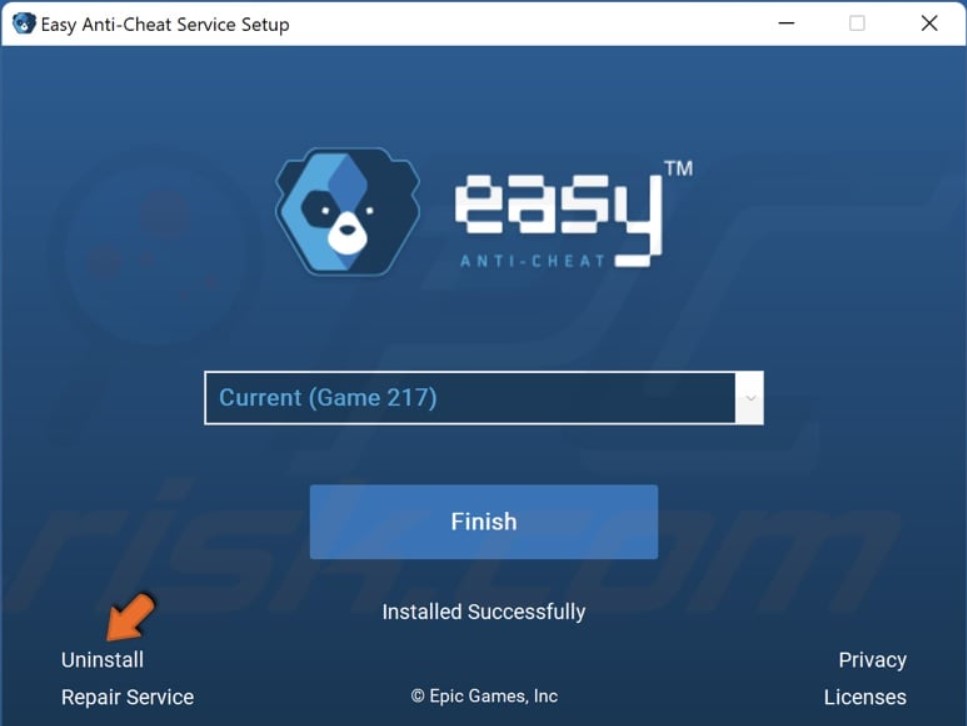
Moderation and consequences matter. Even a short ban on cheaters sends a strong message and discourages others. Make your rules clear and enforce them. Consider banning hardware for people who keep breaking the rules, although they come with their own set of problems.
Last but not least, becoming involved in the community is really important. Build a robust, good community. People who care about the game’s fairness are more likely to denounce cheaters and, perhaps more significantly, less inclined to cheat themselves.
Conclusion
The YaninaGames team explored the controversial theme of cheating in multiplayer games and how to implement anti-cheat codes with C++. If you like this type of content, please bookmark and follow this blog. Also, we are looking for fellow developers to contact us for working together on interesting game-related projects. Please, support and join our cozy community of game devs!