Correctly Promote an Indie Game in 2025
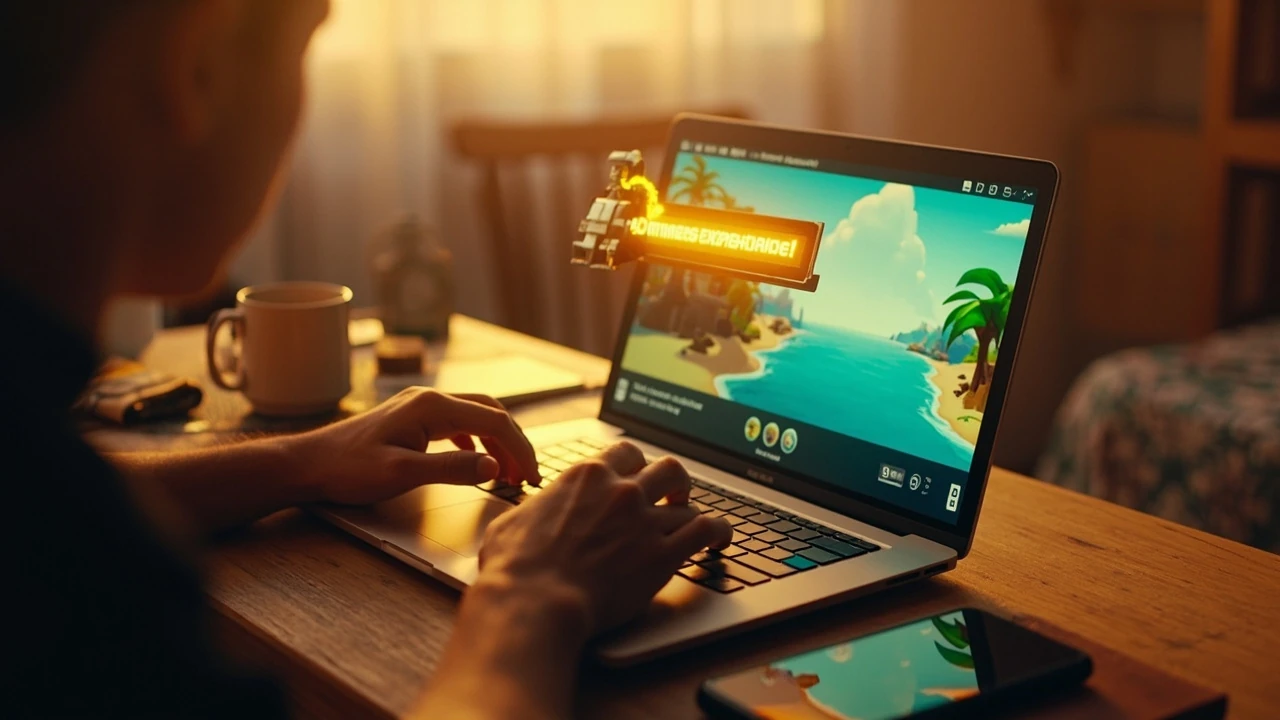
In fact, it is an enormous achievement to create an indie game. You have spent a great deal of time, effort, and, most likely, a significant amount of caffeine on it. Your game is on your hard drive, and it is well-polished after many hours of hard work. It is not only a difficult task to create the game, but also to make people aware of its existence. In the case of small teams, that section may seem as though you require a huge budget. We are all aware that the market is totally flooded. Every five minutes, it seems that there is a new game. That is why you need to understand how to promote an indie game.
Your Game Needs a Home: Developing the Dev Hub
To begin with, you must have a home base – a website. Your game must have a permanent web address that players and the press will visit whenever they hear your title. Using a Steam page or a Twitter account is like renting a house. It’s not yours. You need your own website.
Today, it is not a matter of learning full-stack development in a day to create a great site. The hack when having a small team is to divide content and design. Concentrate on making decent screenshots, trailers, and dev logs, not HTML each time you make an update. A headless CMS lets developers manage the front‑end design while writers and community managers can update news and media without a code deploy.
If you want a fast, flexible option, check the best headless CMS choices. Saving a ton of time by the system that does not tie your content to a strict template is a great thing, and time is the dearest asset of an indie dev.

Promote an Indie Game – Dev Logs, Videos, and Why Showing is Always Better Than Telling
Okay, you’ve got your site up. What next? Feed it! Marketing is not a one-time activity, but you must begin to promote an indie game several months before the launch. Your growth process becomes your content.
Individuals enjoy being able to see what is on the other side of the curtain. Do not wait till the game is finished. Beautiful, dirty, developmental moments. Use short videos on TikTok, YouTube Shorts, and Instagram Reels. Display a funny bug, a fast time-lapse of a background, or a brief voice-over on a difficult design choice.
Keep videos 5-10 seconds long. You are not pursuing virality, you are creating a stream of signals that is constant to understand what people are liking:
- Screenshot Saturday: It is an old one, yet it continues to work. Always post a fantastic image on X (Twitter).
- Discord Daily: Spend time in your Discord server – ask questions, discuss little things, or simply chat. This transforms interest into devotion.
- Behind-the-Scenes: Reveal the human face. Who are you? What did you eat for dinner? Games are purchased not only through the Internet but also from people who have been know to them.
The Community Pillar: Don’t Just Talk At Them
Most devs use social media as a megaphone, blaring news and waiting to be replied to. But community is a conversation, not a broadcast. It is not an empty stage, but a town square.
Discord is your main tool. It contains bug reports, patch notes, and chat with players. Make people easy to talk. The word of that talk goes round. It is a low-cost method of long-term interest. Think of community members as early fans. Provide them with a special role, display their art, or publish their bug reports. By making the people feel like part of the team, they will be the best marketing team. They helped build the game!
The Press and Streamer Tango: One-on-One Outreach Wins the Day
Coverage is not about sending a generic press release to a thousand cold email addresses. That is spam, and journalists do not need spam.
It is everything about study and admiration. Identify the journalists and streamers that cover games such as yours. When your game is a warm farming sim, do not e-mail the man who only plays hardcore shooters. Send an email that demonstrates that you are familiar with them, mention a game they have just played or a point they made in a video. Convince them why your game is suitable for their readers. A genuine, personalized email-maybe offering an early review key or an exclusive interview about a unique game mechanic more likely to get a response than a flashy, impersonal pitch deck.
And here the sweet fact is, that big names may put the spike into you, but you must not ignore the little, enthusiastic streamers. They tend to possess more engaged and tight communities and might have time to explore your demo. Occasionally, even a small wave in the right pond is superior to a massive splash in an oily sea.

The Festival Frenzy and the Power of the Demo
Steam Next Fest should be a requirement, especially if you are creating a PC indie game. It provides you with a massive pre-launch following. But do not simply drop a demo and wish. Market it as a product launch.
Arrange at least half a year in advance a big festival. Have your Steam page ready, your trailer polished, and your community notified. Steam wishlists make the site aware that individuals desire your game, which makes them notice you. A firm, entertaining demonstration wins such wishlists. Give only a sample of the main loop, not the entire narrative. Show why players should care.
Also, enter your demo to smaller, genre-specific showcases and virtual events. It is an additional effort, yet those levels have fewer games, and therefore, you can be noticed. They create momentum for larger events. Take your marketing as a flow of mini signals and watch which ones develop.
Keeping It Real: What You Can Really Afford To Promote an Indie Game
We are cash-strapped, so here are tools that do not cost a kidney:
- Discord: free, essential for community.
- Google Analytics or Steam Analytics: free, essential to learn about traffic.
- Gimp/Canva: free or low cost, excellent for fast graphics.
- DaVinci Resolve or CapCut: free, good at short video editing.
The largest cost is not money, but sweat equity. The time spent interacting, writing, and creating content is a money-saving change that would have been used on advertisements. You sell authenticity with money, and in the modern world, that is a smart deal.

So, don’t feel overwhelmed. Start small. Get your site organized using a simple-to-use system to promote an indie game correctly. Choose two social platforms that you can update regularly and begin communicating with others. It is the game-changer to build an audience as you built your game. It may feel slow at first, but once the community starts moving, you’ll be amazed at what you can achieve.
If this post resonated with your own indie dev struggles, please, do our team a solid and hit that share button across your social feeds. Seriously, spreading the word helps us more than you know. Don’t forget to bookmark this page for later, as we’ll keep sharing insights that skip the expensive mistakes. Also, we’re always keen to chat about new ideas or partnerships-if you’re looking for creative or commercial collaboration, drop a line directly to the YaninaGames team.