Do Sweepstakes Gambling Sites Need a License?
Sweepstakes gambling sites have been around for a few years now. They offer a new alternative to traditional online casinos with casino games like slots and poker. Many fellow game developers collaborate with such companies without knowing such important nuances as legal background and consequences for the teams behind sweepstakes sites. But unlike regular online casinos, sweepstakes sites use virtual currencies like Gold Coins for fun and Sweeps Coins for a shot at real cash and prizes. This setup helps sweepstakes sites avoid being labeled as traditional gambling. But it also raises questions – are these sites legal in the United States, and do they need a license to operate?
The YaninaGames team is going to explore further the legal aspects and technical issues regarding the work of sweepstakes gambling sites.
How Do Sweepstakes Gambling Sites Work?
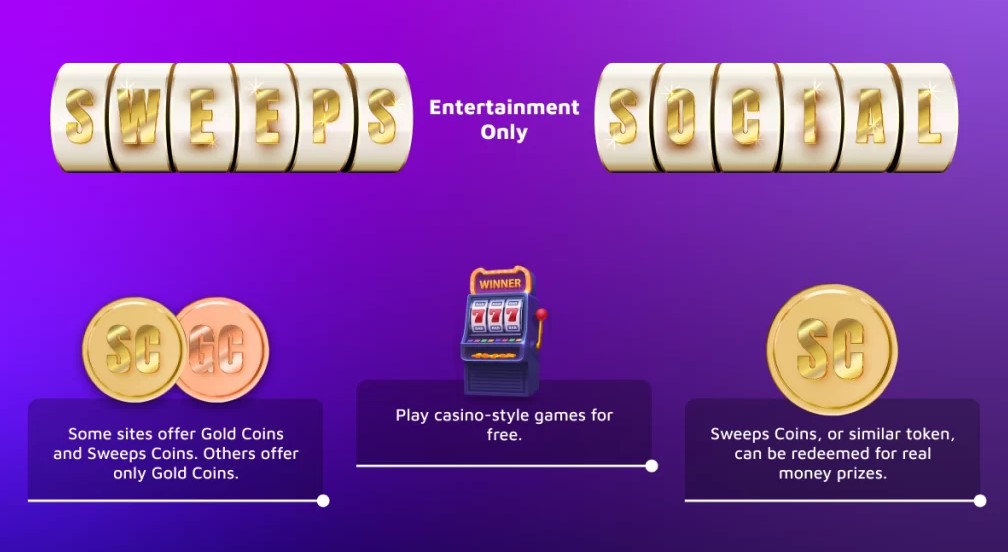
Sweepstakes gambling sites let people play casino-style games using virtual coins instead of real money. They usually offer two types of coins:
- Gold Coins, which are just for fun.
- Sweeps Coins, which can be exchanged for real prizes.
You can get Sweeps Coins in a few ways, like daily login bonuses, social media promotions, or even by mailing in a request. Some sites, like newsweepcasinos.com, also give you Sweeps Coins as a free bonus when you buy Gold Coins.

A chance to win something without spending money is what makes these sites so appealing to many players. Also, it’s a big part of why sweepstakes gaming continues to grow.
A key part of the sweepstakes model is the rule that says “no purchase necessary”. As long as the website with sweepstakes gambling bonuses offers a real way to play for free, it isn’t considered traditional gambling. Consequently, such sites usually don’t need a gambling license. But if they make it too hard to get free coins, they could land in legal trouble. If you prefer to develop casino games, you need to be aware of the legal background.
What the Federal Law Says About Sweepstakes?
Sweepstakes are permitted so long as they comply with a set of rules. Federal law requires a sweepstakes to provide a free method of entry. It also considers three things: chance, consideration, and prize. If a game involves chance and offers a prize, but doesn’t require payment (consideration), it’s usually legal.
Sweepstakes sites must also include clear instructions on how to get Sweeps Coins without spending money. If the site attempts to entice players to spend money first, this falls wholly outside the spirit and purport of what sweepstakes casinos were envisioned to be.
Are Sweepstakes Gambling Sites Legal in Every State?
Not exactly. While sweepstakes casinos are legal in most states, a few have stricter rules. For example, Washington, Idaho, Michigan, Montana, Nevada, and New York either ban these sites or limit how they operate. In Washington, the Gambling Commission has made it clear that sweepstakes are not legal. The state’s stance claims that any gambling activity is illegal unless specifically authorized by the U.S. federal law. Some states also have rules about how to redeem prizes or how much users can win.

To remain within the law, sweepstakes gambling websites implement measures such as geo-blocking, and American gamblers need to use VPNs to circumvent these measures. This implies that they will be able to identify the location of a user and prevent access if the state does not permit sweepstakes gambling.
Do These Sites Need a License?
In most cases, sweepstakes gambling sites do not need a traditional gambling license, as they don’t charge users to play and follow sweepstakes laws. The same situation can be applied to games with gacha mechanics like Genshin Impact.
However, they still need to follow other rules like consumer protection laws, state contest regulations, and advertising guidelines. For example, if they send promotional emails, they must comply with the CAN-SPAM Act. This Act requires clear subject lines, honest messaging, and an easy way for users to unsubscribe.
What Happens If They Break the Rules?
Failure to adhere to the law can put a sweepstakes gambling site in a lot of trouble. An example is when a platform violates the regulations or makes it difficult to play without paying, then it may be considered illegal gambling. It may be prohibited in some states or even closed. Users may lose their accounts or rewards. There is also a chance of fraud or incomprehensible conditions that mislead players.
Here is a real legal case for you to consider before starting a sweepstakes gambling site. In 2023, the Federal Trade Commission (FTC) fined Publishers Clearing House $18.5 million after finding that the company used dark patterns to pressure people into making purchases to enter its sweepstakes, a clear violation of the “no purchase necessary” rule. PCH also needed to revamp its marketing to avoid any more misleading conduct.
What Should Operators Do?
To stay safe, sweepstakes gambling sites should make sure their “no purchase necessary” option is easy to find and use. They should write clear rules and explain how prizes are awarded, and clearly explain how their games work and how users can play without paying.
Additionally, new laws can pop up fast, especially in places like New Jersey, so it’s a good idea to stay updated if you use these sites.
Conclusion
Sweepstakes gambling sites can run legally in the U.S. without a gambling license, but only if they follow strict rules. Operators must offer free ways to play, avoid misleading users, and respect state laws. For players, it’s always a good idea to read the fine print and check if the site is allowed in their state.
The YaninaGames team will continue to post important and useful content for game devs. Consider bookmarking this site and supporting us in any way possible by sharing this post. Additionally, we are open to collaboration with partners, creative teams, and beginner developers who want to join the unique gaming projects we support.