Importance of Game Design Tips and Sharing Experiences
If you are an aspiring game developer, there is probably a reason for it. You may have been inspired by the greatest game franchises and titles like Last of Us, Red Dead Redemption, GTA, etc. Surely, you want to know the game design tips and secrets to create masterpieces like that someday. Such tips from large studios behind AAA games can help during the development of your first casual or mobile title. At some point, there are a few core things that can make a remarkable game besides its budget, team’s size, and experience. The YaninaGames team will reveal some of these tips below.
Set Clear Goals
Games are more than basic programs your PC performs and shows visually. Your screen displays exciting actions while telling complete stories through these games. Starting a successful game design always depends on defining clear goals of what you and your audience should expect from this artwork. And yes, the game should be considered as the artwork instead of the project to become a best-selling hit.
These initial goals are the basic elements used to build the gaming experience. When players can easily see their goals, they feel more essential to the game experience.
Game development becomes clearer and more satisfying when the goal is simple and easy to understand.
You need to figure out such things as:
- The art style of your game and video game character design – tips and tutorials are given for all kinds of art styles for games these days;
- All core and additional mechanics;
- 2D or 3D perspective – we’ve covered a few game level design tips for 2D games, make sure to read;
- Possible platforms where gamers can play your game;
- The most appropriate engine and other tools you may use for your project;
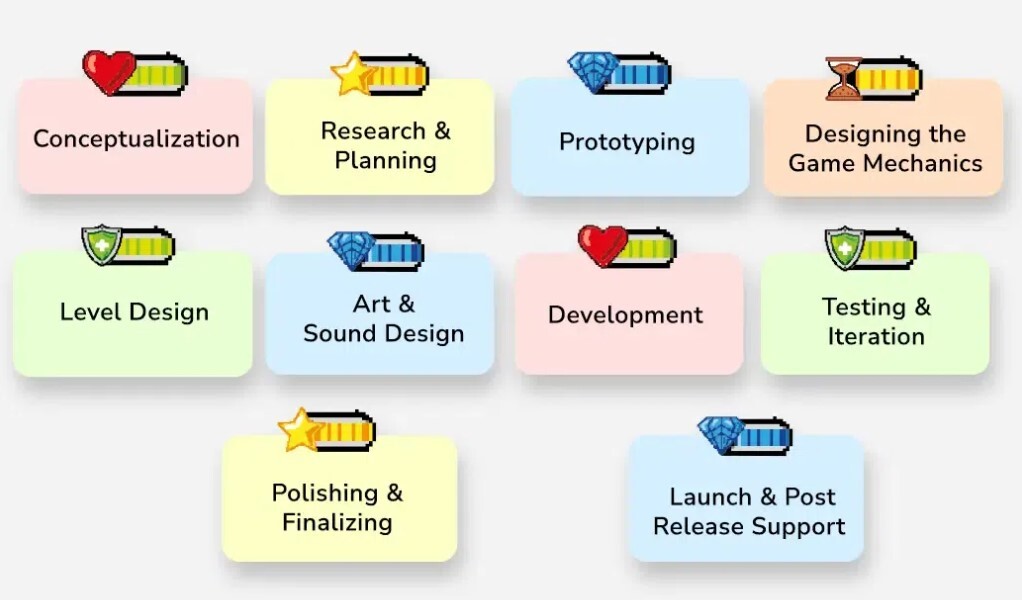
Gamers should clearly understand how to play the game, how to progress during the playthrough, and how to fulfill the major missions or tasks in the game. The same goes for the team of game developers – they have to see how to build the final result from the goals.
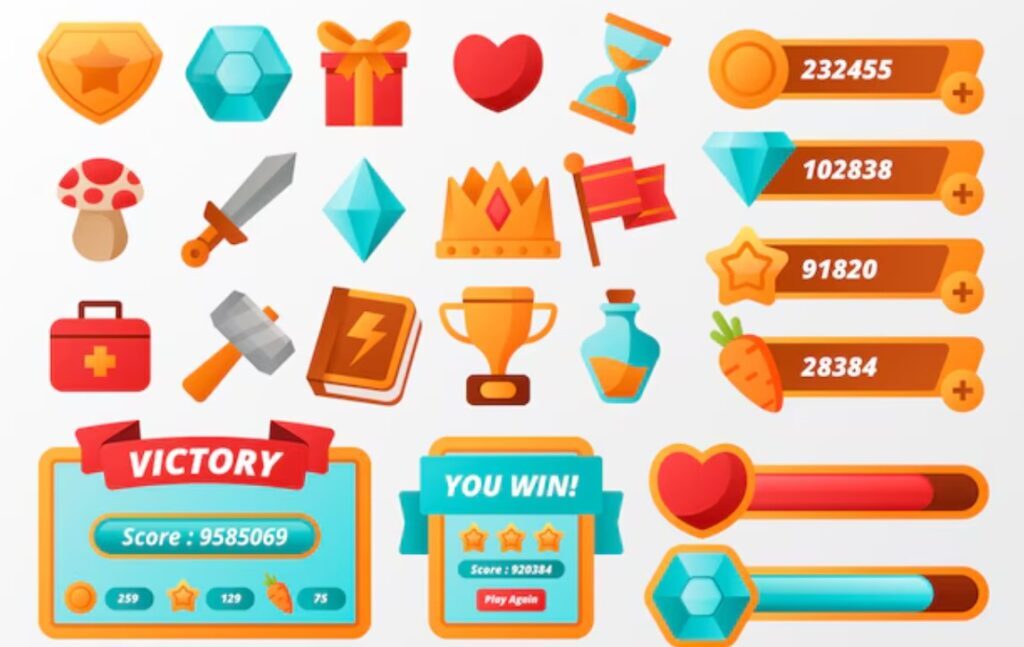
Games offer better gameplay when they show results of player progress as notifications and progress bars with real-time updates. Keep that in mind when learning from game design tips.
Storytelling in Game Design
Like many other artworks, games can deliver complete narratives even without words. After setting your initial goals, you can generate a basic story that defines your game design approach. Having a story plan improves the game development process and eventually the player experience because it keeps them focused on what happens off-screen.
Through storytelling, players develop emotional bonds with game characters, places, and objectives at once. You should never neglect the storytelling aspect, especially if you are into RPG game design tips. Some games need a good story to catch the player’s attention for a few hours.
Thanks to logical and interesting storytelling, game developers can create fully immersive worlds that grab players’ attention and hold their interest. When the narrative runs deep and players discover it they become part of the game’s story.
Here are a few key elements to consider when incorporating storytelling into your game design:
- Develop characters that players can either understand or find fascinating. When you create a character background and reasons for this NPC or main hero to exist, it helps players understand them better. You may need to immerse into the game character design tips on Reddit or YouTube to create very relatable characters;
- Build an exciting world containing unique backgrounds and interesting missions. You need an environment that feels real, so it strengthens your story;
- Define a story with its opening section logically leading to the main part and ending with a conclusion. Build the events throughout the game that surprise and challenge players, making them want to keep following the story;
- Help players change the story results through their decisions. When players can interact throughout the story, they develop ownership over its outcome;
- Make dialogue and written content interesting for a better storytelling presentation. Well-written content helps players better appreciate and remember the game’s story.
When you concentrate on these aspects of storytelling, players of your game could get a chance to connect emotionally with your game while also enjoying its entertainment value.
Developing Gameplay and Its Mechanics
Basic gameplay elements make up core game mechanics. The technical system builds the core of game development because it defines how every game operates and what coders need to implement to make it work smoothly.
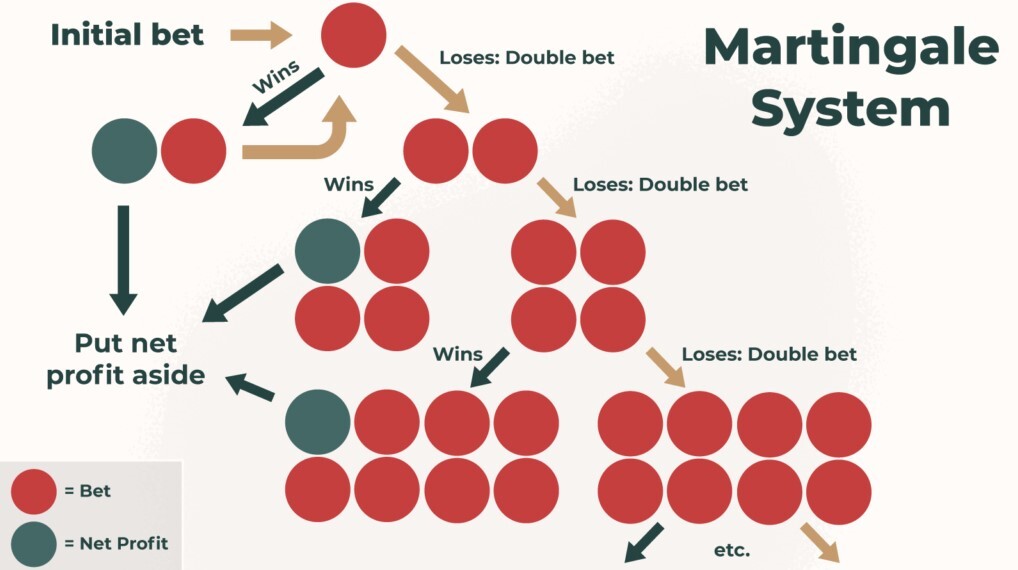
The basic rules underline how players repeat their steps in each game. For example, all game design tips claim that classic casino games and card games like Hearthstone use different mechanics like card shuffling, roll of dice, tracking scores, counting cards, and deception in play.
Most companies create automated systems alongside tools such as the Martingale calculator for roulette to make games more engaging for players while improving the gameplay system.
Here are some innovative ideas that can enhance player engagement thanks to interesting game mechanics:
- Dynamic Difficulty Adjustment. The system reacts to player skill levels to create a challenging play that stays fun for everyone;
- Procedural Generation. It helps to generate the level of content through automated processes instead of manual processes. The system produces unmatched game content to maintain exciting gameplay for players without limits;
- Time-Based Mechanics. This mechanics uses time modification techniques to make time manipulation an essential gaming feature;
- Physics-Based Mechanics. When using real physics rules in gameplay, players must handle physical forces such as gravity and momentum to succeed;
- Asymmetric Mechanics. It happens the game offers upgradable roles and skills to each player for better teamwork and planning – think of It Takes Two;
- Permadeath. Also, you can try to create a permanent death system with characters to put player targets at risk;
- Environmental Interaction. Players get to change their game environment when they build things or create pathways;
Developers create better gameplay when they combine their new ideas with the basic game actions.
Visual Graphics and Design
The graphics and the design play a significant role in the game’s visuals. Basically, they are connected to the type of gaming experience a player will shape when engaging in a particular game.
What style you choose for your game helps create certain feelings and establishes its general feel. Bright and fun games generate players’ enjoyable love for game images and plot while playing.
Players memories of thrilling action games with mystique boost when they see dark visual scenes in the game.
One of the main game design tips – match an artistic design solution with the game’s central story. You can pick any design style between obvious digital art and life-like representation for your game. Your target audience and players should feel connected to the art style you select while the style should build a specific emotional atmosphere.
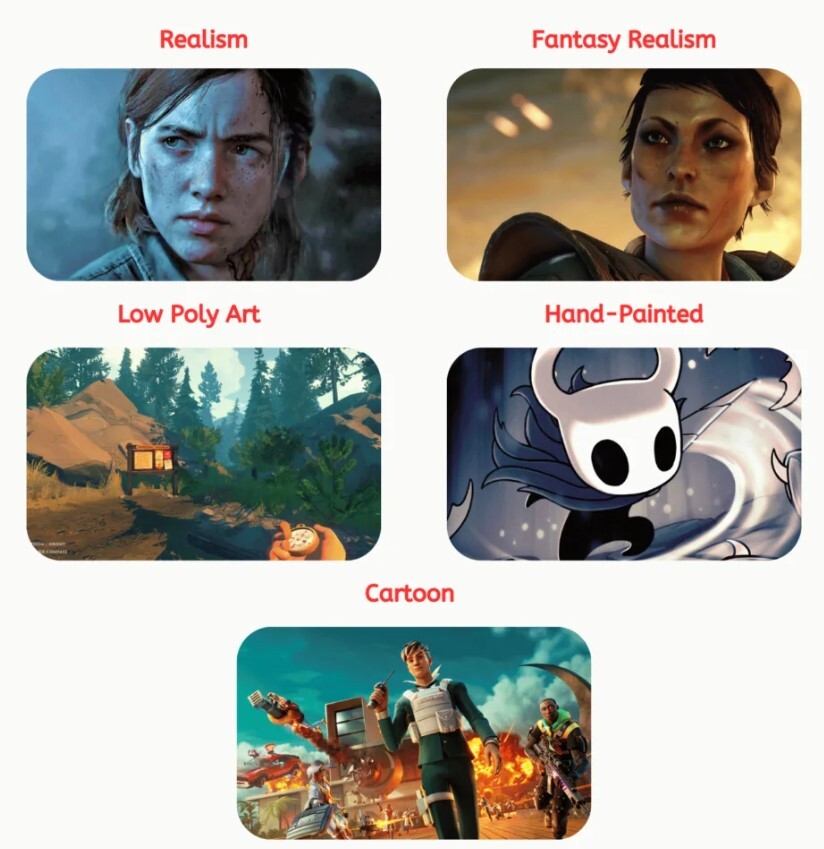
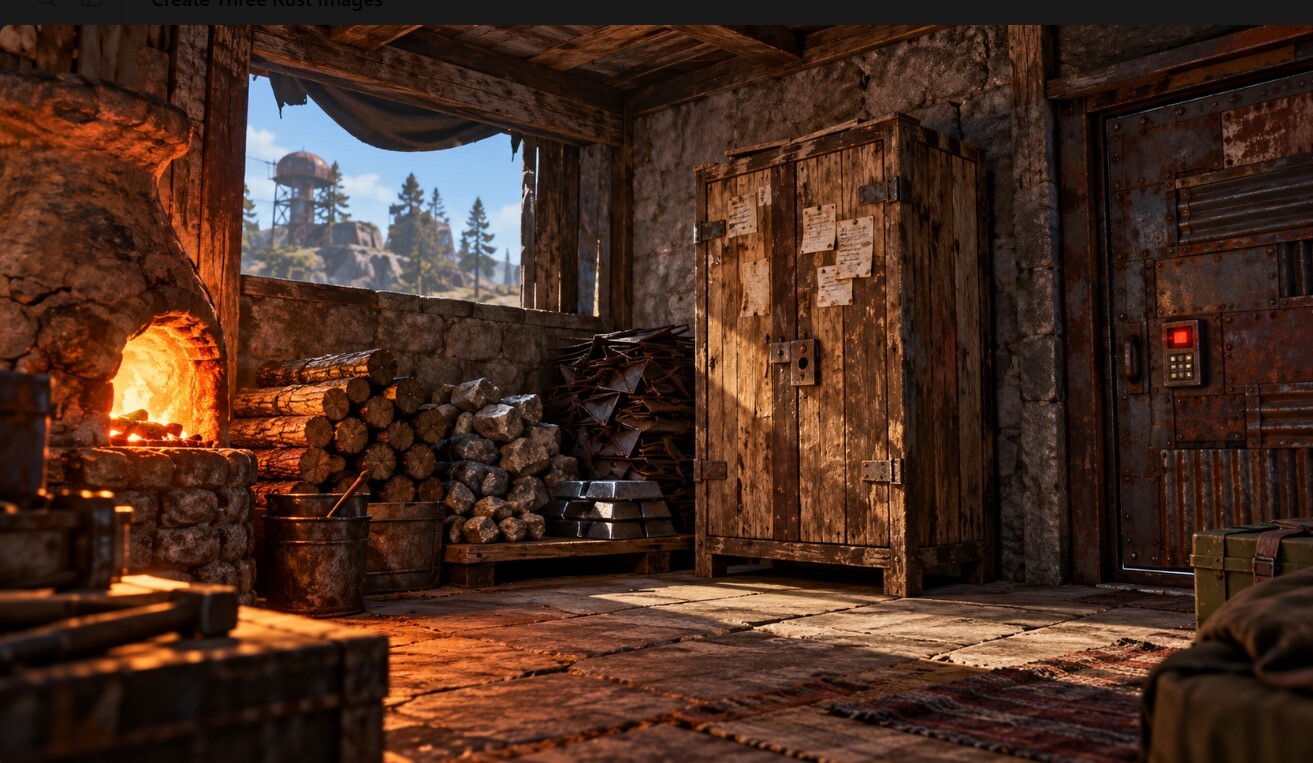
Keep every visual element inside the game looking the same all the time. All visual aspects of the game should receive your attention from design including characters, scenery, screen elements, and tiny interface features. When each part of a game looks the same, it builds a seamless and believable environment for players.
You have to remember three main elements – color palette, animation, and lighting. The chosen color scheme feels emotions in players and establishes the game atmosphere. Warm colors generate excitement and energy but cool colors invite peacefulness or mystery. When lighting and shadows are used properly, they make game environments look both natural and detailed. Properly placed lights help users discover important details and feel part of the game world.
Well-crafted animations and effects improve the game’s appearance and add to player enjoyment. Players see their characters do realistic actions and react to their environment while special effects enable destruction through explosions or casting magical spells.
The screen display needs to look easy to use and make the game’s menu beautiful. Art design components should work harmoniously with the game visuals while showing important game details simply and plainly to users. At this point, you can’t do without game UI design tips.
Audio Effects
The audio effects you select affect your game’s success more than most people realize. When game developers create audio content in their titles, it prominently affects the gaming experience players have.
The way gamers experience games depends on the selection of various audio features that modify the environment, set the mood, establish dynamic conditions, or create memorable soundtracks. Audio content works with different games to meet player needs and audience preferences.
Your sound design team should work hard at ambient sounds, OST, sound effects, and voiceover/voice performance (if necessary). Most indie game design tips recommend limiting low-budget projects to ambient sounds and sound effects.
Make sure your game’s audio matches its overall tone and theme. Keeping audio elements consistent builds a better player experience while strengthening the game brand.
Testing the Game
After finalizing your game concept and major mechanics, you get a prototype. Before the final release, you need to perform many tests. This stage determines how nicely the game performs and what players like or don’t like about it while showing you where improvements may be required.
The testing process presumes a few simple steps:
- First, you need to test the game’s performance through loading speed tests alongside reviews of buffering and lag;
- Then, gather feedback from players. Jot down their reactions as you listen to their real-world game experiences;
- You need to keep updating your tests until your game matches what you want to see. You can test the performance of the game multiple times – your testing team should focus on such metrics as loading times, lags, and buffering;
Monetizing Your Game Design
Once your game shows strong results after testing you need to plan its financial structure. Some games cost the price of $ 10, $ 20, or $ 70, while the others are free-to-play titles with in-built customization items people can buy with their donations or subscription fees. The present selection of monetization models presumes many ways to monetize your game without being too aggressive – please, do not use the lootboxes.
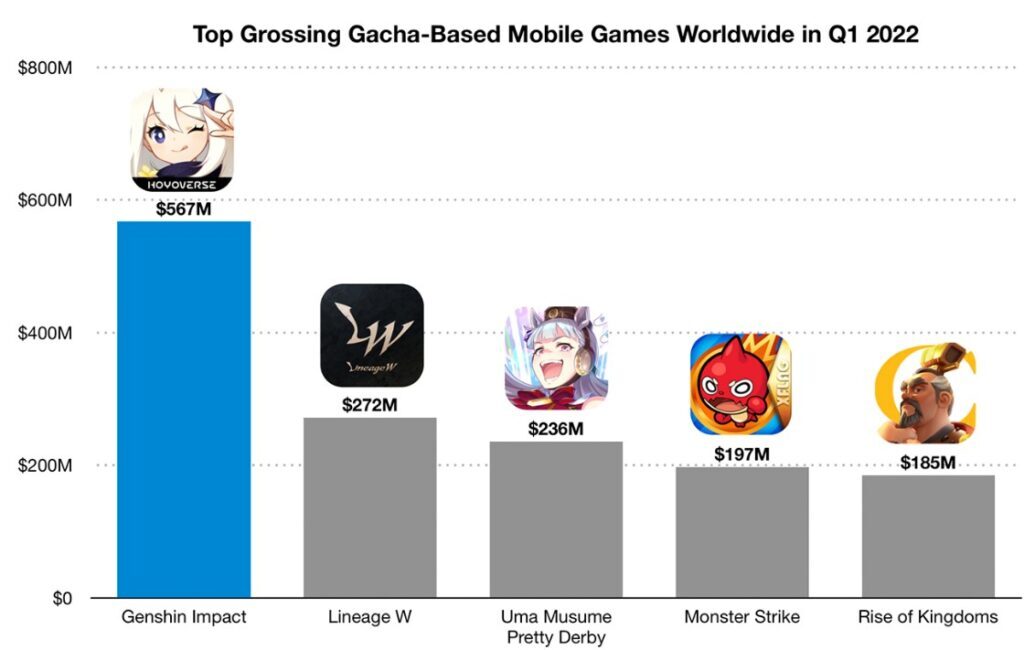
Select a game business model that matches what your players want to experience. When players enjoy your game, they become more loyal customers who keep using the product. Look at Genshin Impact or Fortnite, and you will understand what we are talking about. There is nothing wrong with GaaS titles but you need to implement such monetization in a very careful way.
Conclusion
These were the major tips for game design. The Yanina Games team will continue to post interesting posts that can be useful both for players and game developers. We intend to post useful content for you. You just need to focus on the best game development that you can afford and we are always ready to help you. Our team of professional game devs and artists is eager to collaborate with talents globally to create awesome video games. Contact us anytime!