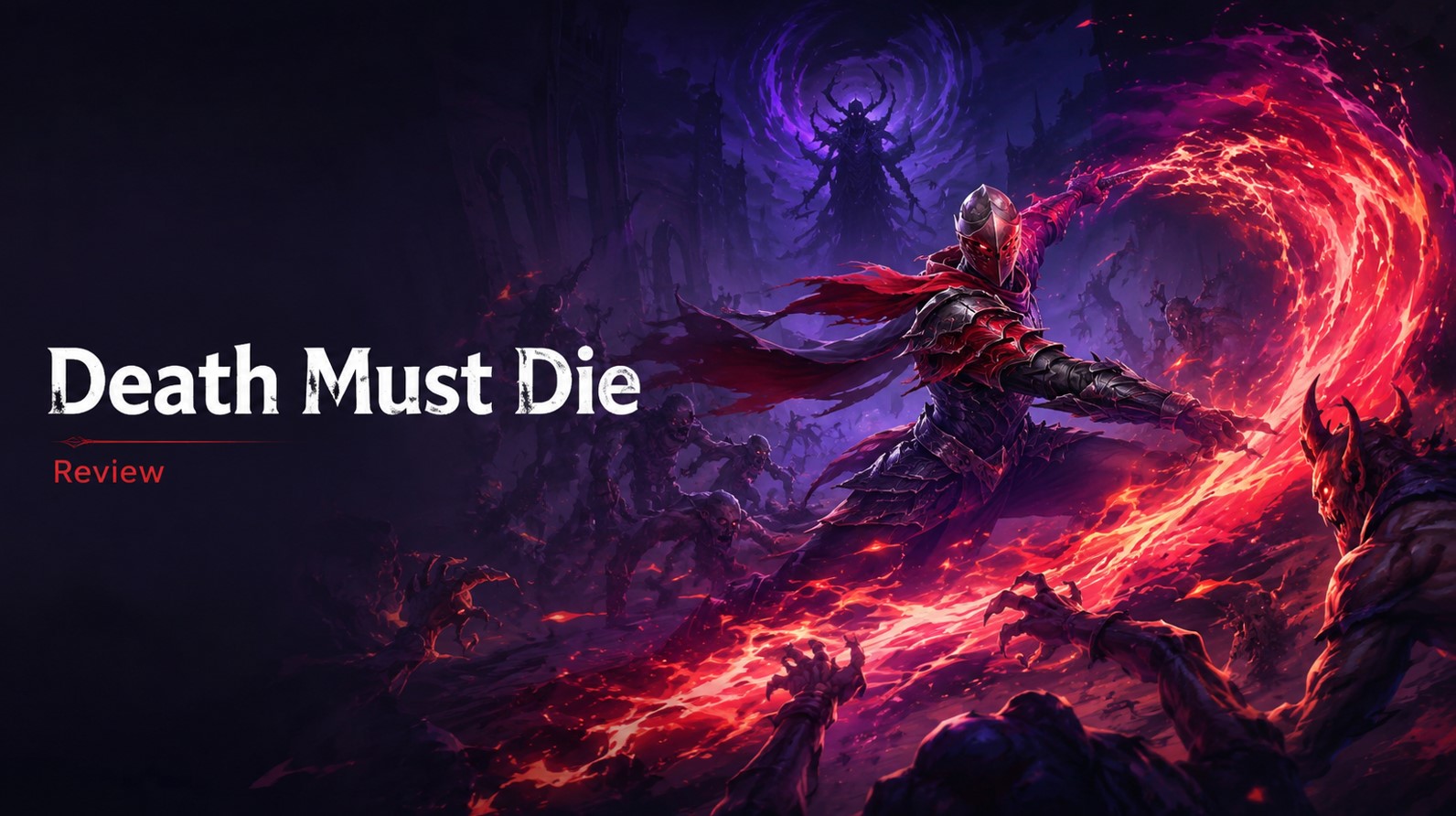
Death Must Die and Why It’s Hooking Roguelite Fans
Ever booted up a cheap indie game “just to try it” and then looked up to realize three hours vanished? That’s the Death Must Die experience in a nutshell. This little roguelite has quietly become one of those “just one more run” machines that eats your evenings whole. And honestly? You won’t even be mad about it. Let me set the scene. You play as a hero descending into the Underworld to do the impossible – kill Death himself. A pantheon of gods backs you up, each granting powerful blessings as you carve through hordes of minions and nasty guardians. It’s part bullet heaven, part action RPG, all chaotic fun.
Here’s the thing though – as slick as it is, Death Must Die has a bit of a rough early game that can throw newcomers off. The grind before things click can feel like a slog, and the sheer number of blessings and builds is overwhelming at first. So this piece does double duty: an honest review of whether the game’s worth your time, plus a solid batch of beginner tips to get you slaying faster. Let’s get into it.
What Is Death Must Die, Exactly?
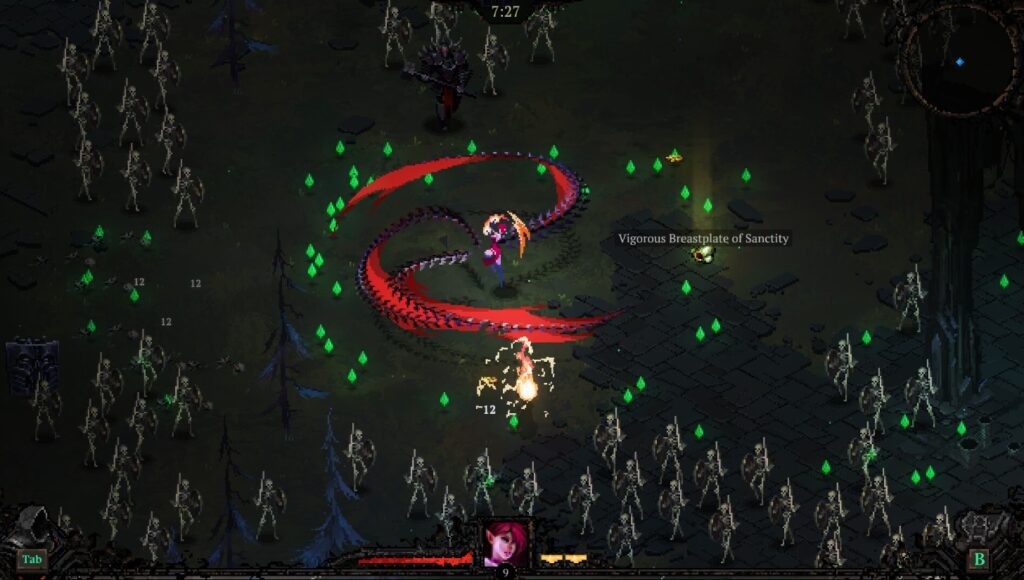
Quick primer for the uninitiated, because the genre labels can get confusing. Death Must Die is a roguelite RPG bullet heaven developed by Realm Archive. You pick a hero, drop into the Underworld, and survive against escalating waves of enemies while leveling up and choosing god-granted powers on the fly.
The comparisons write themselves, and the community makes them constantly. Death Must Die blends the bullet-hell chaos of Vampire Survivors, the godly intervention of Hades, and the gear-crunching loot joy of Diablo. It borrows the best bits from each and stitches them into something that feels genuinely its own. That’s a rare trick to pull off.
Here’s what defines the core experience:
- Wave-based survival – fight escalating hordes of Death’s minions across timed runs.
- God blessings – a pantheon offers powerful buffs you pick between as you level up.
- Loot and gear – Diablo-style equipment you collect to shape your builds.
- Multiple heroes – distinct playable characters, each with unique signs and playstyles.
- Meta progression – permanent unlocks that carry between runs to soften the difficulty.
The story, for what it’s worth, is deliberately light. Death has committed some heinous crime, so the other gods want him gone – but they can’t enter his realm directly, so they send mortal champions carrying Time’s hourglass. When you die, the hourglass rewinds you, keeping your knowledge and items but stripping your blessings. Most of the narrative trickles out through level-up dialogue during runs. Some players find it a touch vague, which is fair, but the story was never really the point here. The gameplay is.

The Death Must Die Review: What Works
Let’s get into the meat of it – is this game actually good? The short answer is a resounding yes, and here’s why the community keeps singing its praises.
The standout strength is that addictive gameplay loop. Reviewers repeatedly mention being unable to stop themselves from diving into “just one more run” due to the constant allure of new gear and buffs. That compulsion loop is the mark of a great roguelite, and Death Must Die absolutely nails it. Every run dangles the promise of a stronger build, a rarer drop, a new synergy to discover.
Then there’s the presentation. The game sports a gorgeous pixel aesthetic with a modern twist, backed by a slick user interface and character classes reminiscent of Diablo 2. It’s a genuine visual treat that hits that nostalgic sweet spot while feeling contemporary. The whole package feels polished well beyond what its bargain price suggests.
And that price is a huge selling point. At around $8, Death Must Die offers immense satisfaction for the money. In a market of $70 releases, a genuinely gripping roguelite for the cost of a sandwich is an easy recommendation. The value proposition is honestly hard to beat.
The depth deserves a shout too. The blessing system creates real build variety – you can mix and match god powers to create powerful synergies. One classic example the community loves: grabbing the ‘Gem High’ and ‘Force’ blessings from the god of Time creates a scaling damage and attack speed loop through experience shards. Figuring out these combos is deeply satisfying, and it’s what gives the game its long-term replayability.
The Death Must Die Review: The Rough Edges
Now let’s be honest, because no game is perfect and you deserve the full picture. Death Must Die has some legitimate flaws, most of them tied to it being an early access title still in development.
The biggest complaint is the early game grind. Beginners often face a significant slog before classes begin to feel unique or powerful. Those first several runs can feel underwhelming as you build up the meta progression and unlocks that make later runs sing. It’s a real hurdle, and some players bounce off before the game truly opens up. Patience is genuinely required.
Here are the main drawbacks to go in aware of:
- Slow start – the early hours can feel weak before builds and unlocks come online.
- Occasional cringeworthy dialogue – the writing can be hit or miss, and some find it grating.
- Balance disparities – being early access, some characters and blessings vastly outshine others.
- Vague storytelling – the narrative is thin and doled out in fragments, leaving some confused.
- Community troll-fests – the Steam forums can get toxic, so tread carefully there.
That balance point is worth expanding on. The community has done extensive tier-listing, and there’s a real gap between the best and worst options. Heroes like Merris are considered wildly strong – one post-100% player rated her S+, praising her infinite pull range as overpowered – while others like Avoron and Skadi land in the lower tiers, described as slow and weak with poor range. So your early experience can vary a lot depending on who you play.
The saving grace? It’s early access, and the developers are actively updating it. That gives real hope for future balance adjustments and content to smooth out these disparities. The game keeps evolving, which is exactly what you want from a title in this stage.
Should You Buy Death Must Die?
Let me cut to the chase, because this is what you really want to know. For the vast majority of roguelite fans, yes – Death Must Die is absolutely worth buying.
The verdict from the community is clear. Despite the early game grind and occasional cringeworthy dialogue, the addictive gameplay loop, potential for varied builds, and continuous early access development make it a worthy addition to any library. At its bargain price point, it’s a steal that’s hard to pass up. One reviewer summed it up perfectly: grab it while it’s hot.
Who should buy it? If you love Vampire Survivors, Hades, or Diablo-style loot grinding, this is squarely in your wheelhouse. If you enjoy chasing build synergies and don’t mind a game that’s still growing, you’ll get tons of value. And if you just want an affordable, satisfying time-sink to unwind with, it delivers in spades.
Who might want to wait? If you strictly need a polished, finished experience with a rich story, the early access status and thin narrative might frustrate you. And if you have zero patience for an early game grind, the slow start could sour you before things get good. But for most people, the pros massively outweigh the cons.
Beginner Tips for Death Must Die
Alright, say you’ve grabbed it – now let’s get you surviving longer and slaying faster. These tips come straight from experienced players and community guides, and they’ll save you a lot of early frustration.
First and most important: keep moving constantly. Constant movement is key in Death Must Die. Not only does it keep you out of danger from the swarming hordes, but exploring the map leads to discovering beneficial objects and maximizing the loot you plunder. Standing still is a death sentence. Kite your enemies, weave through gaps, and never stop circling.
Here are the essential early tips to internalize:
- Play cautiously even when strong – it only takes a few powerful hits to end a promising run, so don’t get greedy.
- Read your blessings carefully – take the time to understand descriptions so you can build real synergies.
- Pay attention to what you pick up – knowing your gear and what you’re fighting improves your decisions.
- Center your build around a playstyle – figure out which character you enjoy, then tailor gear to them.
- Chase synergies, not just raw power – combos like Gem High plus Force from Time scale far better than random picks.
That synergy point is the real key to mastery. The blessing system rewards players who plan. Instead of grabbing whatever looks shiny, think about how your picks interact. Scaling loops – where one blessing feeds another – are how you go from surviving to dominating. The community’s favorite builds almost always revolve around these engine combos.
Getting the Most From Your Runs
Let me leave you with some deeper wisdom for improving your progression, because Death Must Die rewards patience and smart play over button-mashing.
Remember that this is a game of gradual growth. Progression involves learning enemy behaviors and acquiring better gear over time. Your early runs might end quickly, and that’s fine – each one teaches you enemy patterns and earns you meta-progression that makes future attempts easier. Don’t get discouraged by early deaths. They’re part of the loop.
A few more pointers to level up your play:
- Experiment with characters – each hero plays differently, so try them all to find your favorite before committing.
- Prioritize luck-based stats where relevant – luck is a universal modifier that boosts many effects, like Soulstealer activation.
- Don’t fear dying to learn – some achievements and knowledge only come from repeated attempts.
- Build around your hero’s signs – each character’s unique signs point toward their optimal build path.
- Upgrade meta progression steadily – permanent unlocks are what carry you through the tougher later content.
One community-endorsed strong starting point is a caster build with a hero like Merris, leaning on Time blessings for that infinite pull range and scaling. But honestly, the best approach for a newcomer is to experiment freely, learn what clicks, and gradually specialize. The game is generous with its build possibilities once you understand the systems.
And above all, embrace the grind’s rhythm. The early slog gives way to genuinely thrilling, build-defining runs once everything comes together. Stick with it, and Death Must Die transforms from “kinda slow” to “impossible to put down.” That’s the payoff that keeps the community hooked.
FAQ
Is Death Must Die worth buying?
Yes. Despite an early game grind and thin story, its addictive loop, deep builds, and roughly $8 price make it a great pick for roguelite fans.
What kind of game is Death Must Die?
It’s a roguelite RPG bullet heaven blending the chaos of Vampire Survivors, the god blessings of Hades, and the loot of Diablo into its own thing.
Is Death Must Die finished?
No, it’s in early access and actively being developed, with ongoing balance changes and content updates, so expect it to keep evolving.
What’s the most important beginner tip?
Keep moving constantly. It keeps you safe from hordes and helps you collect loot and beneficial objects scattered across the map.
Which character should beginners play?
Experiment to find your favorite, but Merris is widely considered very strong thanks to her infinite pull range, making her a solid caster starting point.
How do builds work in Death Must Die?
You pick god blessings as you level up, mixing them for synergies. Scaling combos like Gem High plus Force from Time are far stronger than random picks.
Is the early game really that grindy?
It can feel slow before your builds and meta unlocks come online. Push through the first several runs and the game opens up considerably.
Wrapping It Up
So there’s the full breakdown on Death Must Die. This budget roguelite punches well above its weight, delivering an addictive gameplay loop, gorgeous pixel art, deep build synergies, and Diablo-flavored loot for the price of a coffee. Yes, the early game grinds and the story’s thin, but as an early access title that keeps improving, it’s an easy recommendation for anyone who loves the genre.
My honest advice for new players? Keep moving, read your blessings, chase synergies over raw power, and be patient through those first few underwhelming runs. Experiment with different heroes to find your groove, lean into scaling combos, and let the meta progression build up. Do that, and you’ll go from struggling to survive to gleefully carving through Death’s legions.
Death Must Die proves you don’t need a AAA budget to make something genuinely gripping. It’s cheap, it’s fun, and it’s only getting better. Grab it, dive in, and go make Death regret his crimes. The Underworld’s waiting.
P.S. Consider this your hourglass moment: if this review helped you dodge the early-game slog, send it skating across your social feeds so fellow champions can descend prepared, and pin it to your bookmarks like a blessing you’ll want to re-roll back to before your next run. Every share is basically a boon from the pantheon that keeps our team charging into the Underworld. And if you’re seeking creative or commercial collaboration, the YaninaGames team is one message away – reach out directly and let’s slay something great together.