Importance of Engaging Game Mechanics in Casual Titles
Casual games are everywhere. On phones, tablets, and desktops, they fill short breaks and long evenings. People of all ages play them. Titles like Candy Crush, Coin Master, Angry Birds, and Subway Surfers continue to draw millions daily. But what makes players come back? What game mechanics make a simple game feel impossible to put down?
In 2025, casual titles are more popular than ever. According to data from App Annie, mobile games make up 56% of all gaming sessions worldwide, and most of these are casual games. As players seek quick fun without too much effort, these games fill the gap. Some players even take short breaks from serious games or bookies not on GamStop to play light, fun titles during the day. But behind the bright colors and simple goals lies smart design. Casual game developers use very specific tools to keep attention high and sessions frequent.
Top 5 Game Mechanics in Casual Gaming Titles
The YaninaGames team explores the top five game mechanics that help casual games stay popular.
Progress Bars and Level Systems
There is nothing more gratifying than seeing a bar fill up. Progress bars are a great way to make players feel like they are accomplishing something, whether it is a level meter, a line of stars collected, or a streak counter that is tracked daily.
According to game developer Emma Feldman, who has worked on several of the highest-grossing puzzle games, the progress bar plays into a fundamental human need: to complete what we have begun. Players are rewarded when a bar moves because even when the task is small, such as matching five colors or clearing a stage, they feel rewarded.
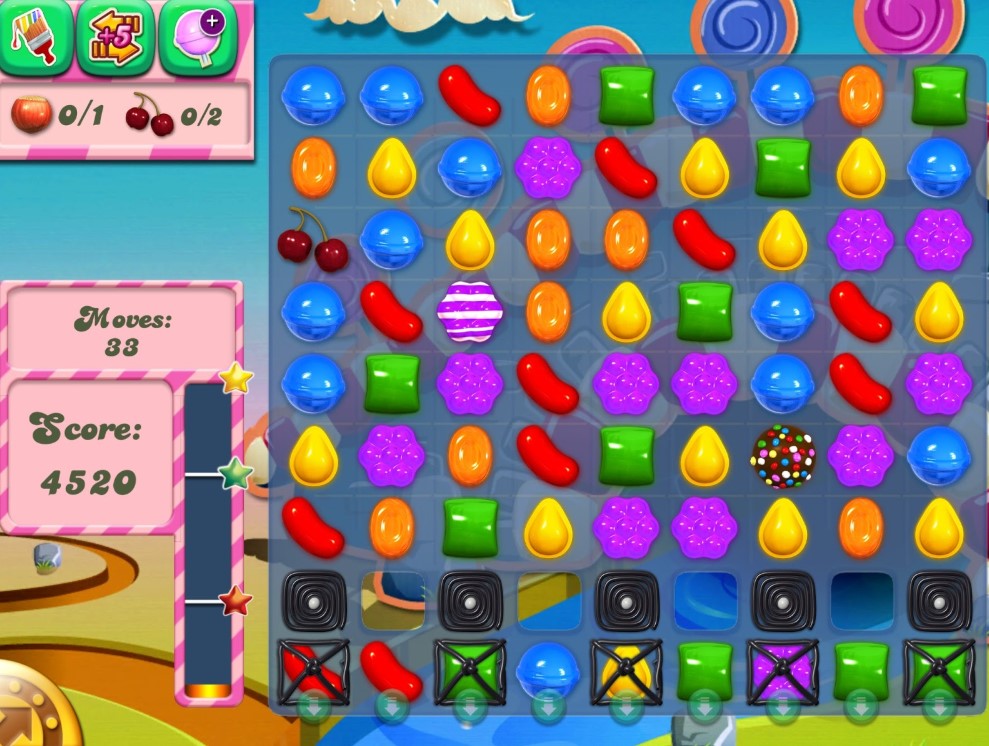
This game mechanic is related to goal-setting as well. Players desire to attain that next stage, even though it may only include a new background or sound. And when they arrive there, another level is presented. It is never too much, just endless.
A 2024 report by Sensor Tower found that games with explicit level design and progress bars retained players 35 percent better each day than games without them.
Daily Rewards and Streak Bonuses
Casual games are fond of rewarding consistency. What is the date today? Here is half a dollar. Tomorrow? You obtain 100. Do it seven days in a row? Here is a free rare item. These daily log in rewards have become a staple of most large casual games, and they are effective.
The idea is straightforward: to make players open the game on a regular basis. Although they may not play a lot, the checking-in process keeps the game at the forefront of their mind. And when they get in, they are more apt to play a few rounds.
According to a study by Mobile Game Research Group (MGRG), 48% of casual players mention daily rewards as the primary factor that makes them continue playing a game beyond one month.
There is also a minor psychological impact; players do not want to break the chain. When you earn rewards five days consecutively, the chances are that you will come back just to maintain the streak.
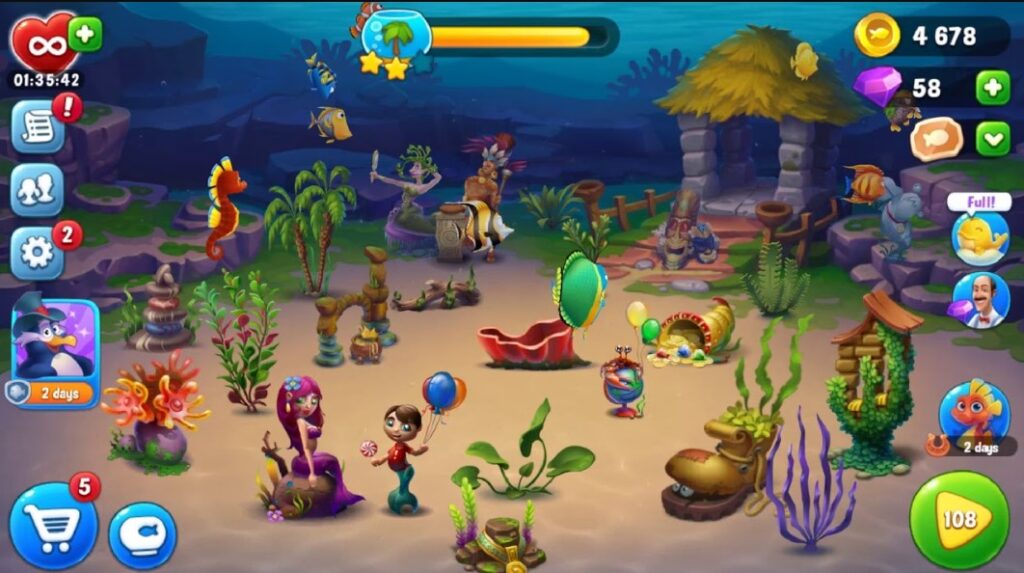
Homescapes and Fishdom are games that rely on this mechanic a lot. The streak bonus is increasing day by day, and missing a day seems like a step back.
Simple Challenges with Fast Feedback
Casual titles are constructed to have a short attention span. Tasks are simple to comprehend and to complete in a short time. Three, avoid an object, tap to jump. All the challenges are easy and require only a few seconds. However, what makes it interesting is the quick feedback.
Players receive instant feedback: a pop-up that says “Perfect!”, a pleasant sound, a color explosion. This fast cycle of action and reward keeps the brain awake.
Human beings are programmed to have fun with cause and effect – “When I do something, I get a result”. This is applied in casual games to maintain attention without demanding serious thinking.”
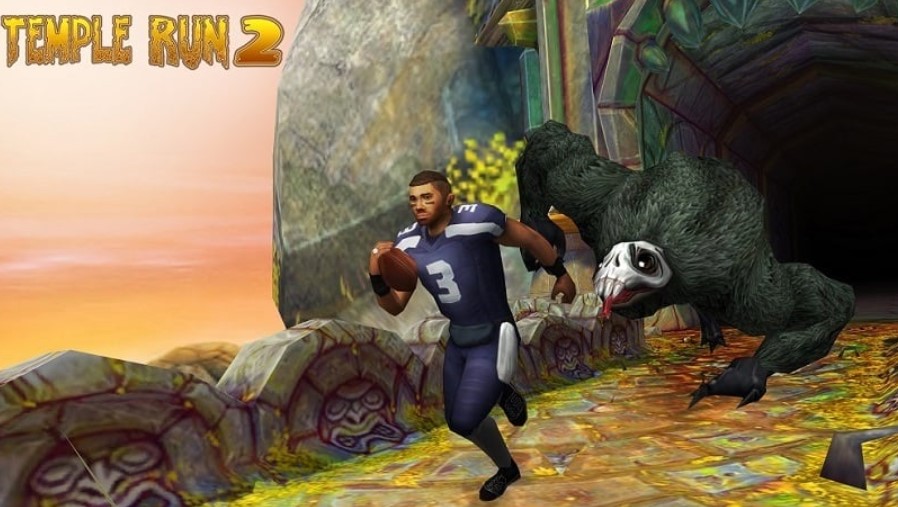
Temple Run, Stack, and Helix Jump are games that use this rhythm. One touch, one move, immediate response. Even when a player loses, it is easy and quick to restart. There are no penalties, no loading screens. That keeps players glued to the game, round by round.
Social Sharing and Light Competition
Even individual players enjoy comparing scores. Casual games have provided a means of doing that without stress. Competition is light and fun with leaderboards, friend challenges, and screenshots of scores.
Social links are now being used in many games to display how your friends are progressing. You do not have to play against each other in real time. The mere fact that your sister has passed level 82 can motivate you to pass 83.
Others allow you to give gifts or lives to your friends, such as Candy Crush Saga or Roblox. Others automatically share high scores on Facebook or challenge a friend to beat a run.
In 2025, developers are still developing casual game mechanics with soft competition. This prevents the pressure of PvP (player-versus-player) and encourages bonding.
A recent Facebook Gaming study conducted in 2024 revealed that the likelihood of retaining casual players who socialize with others through games is 41 percent higher than that of players who play alone.
Random Rewards and Loot Spins
A wheel spin, lucky chest, or scratch card has been added to many games. Simple game mechanics. You push a button, something turns or flips, and you wait to see what you have. These random rewards appeal to the same aspect as slot machines.
You may receive some additional coins, a new skin, or a rare item. It may be a small reward, but the excitement is in the waiting. In most cases, it does not involve real money, but the system still causes a mini dopamine rush.
This game mechanic is particularly compatible with free-to-play models. Even those players who do not want to pay can receive rewards. In the meantime, the people who spend money on additional spins have the impression that they receive something worthwhile.
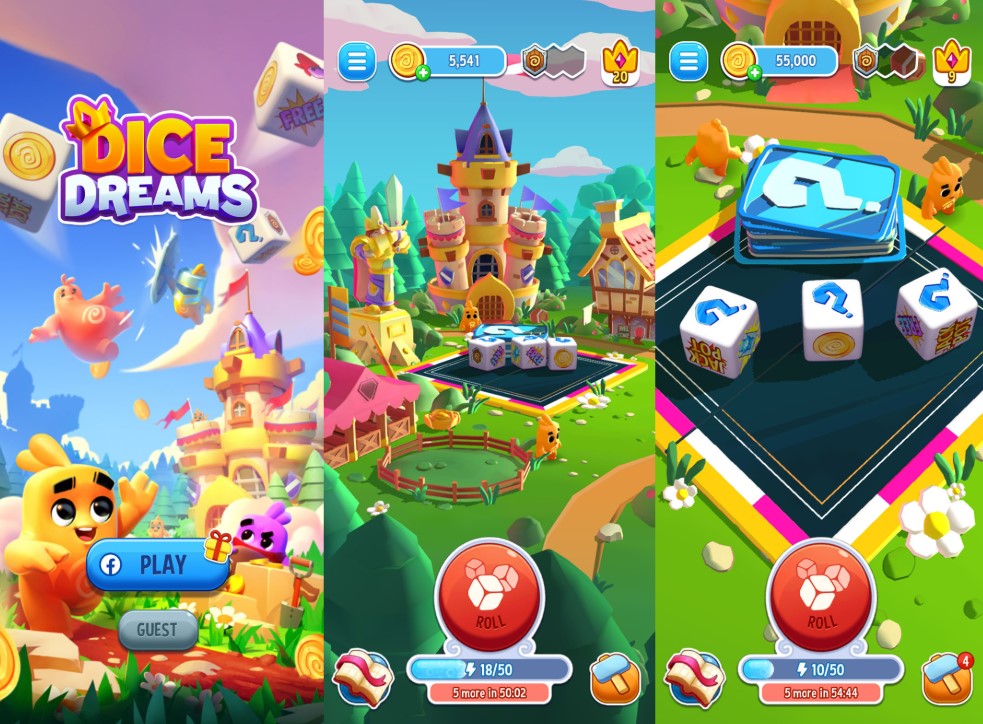
In 2025, applications such as Coin Master and Dice Dreams take over the charts of app stores by over-emphasizing this model. Statista reveals that the rate of in-app purchases is 38 percent higher in casual games that have loot-spin functions than in those that do not.
What Makes These Game Mechanics Work?
Each game mechanic taps into a different part of human behavior:
- Progress bars make people want to finish what they started.
- Daily rewards build habits.
- Fast feedback keeps the brain interested.
- Social links create light competition and shared goals.
- Random rewards add suspense and surprise.
Together, they create loops that are easy to enter but hard to exit. You don’t need a long attention span. You don’t need a game plan. Just a few taps, and you’re playing.
Casual Game Mechanics vs. Hardcore Game Mechanics
Hardcore titles demand time, skill, and focus. Casual titles don’t. But that doesn’t mean casual games are lazy. The best ones are carefully built to respect players’ time and reward them often.
While hardcore games rely on big achievements and long progress, casual games focus on quick wins and frequent rewards. That’s why a game like Subway Surfers, launched in 2012, still sees over 150 million active users per month in 2025.
Conclusion
Casual games don’t need to have a deep story or complicated rules. What they need is an intelligent system that makes players feel good, often and quickly.
The five mechanics above work not because they deceive people, but because they are consistent with how people already think and act. That is what makes them strong.
So the next time you pick up a game during a break, consider what is holding you there. It’s probably one of these basic game mechanics doing its thing.
The YaninaGames team explained the key game mechanics in casual titles. We hope you’ve enjoyed reading this guide for fellow game devs. Development of casual games can become a fun pet project or turn into a full-time career. So make sure to bookmark this post and support our site if you’ve found it useful. Also, you can contact us to collaborate and create the game-related content together!