The Place of a Theme in Game Level Design
Fellow game creators, if you’re reading this, chances are you’re on a quest to create a realistic world with the available game level design tools to make it feel alive, vibrant, and utterly immersive. The YaninaGames team understands you like no other and wants to share a few things you should consider when picking the theme as a part of the level design in your game. Let’s start with the definition of the “theme” and its role in the game design.
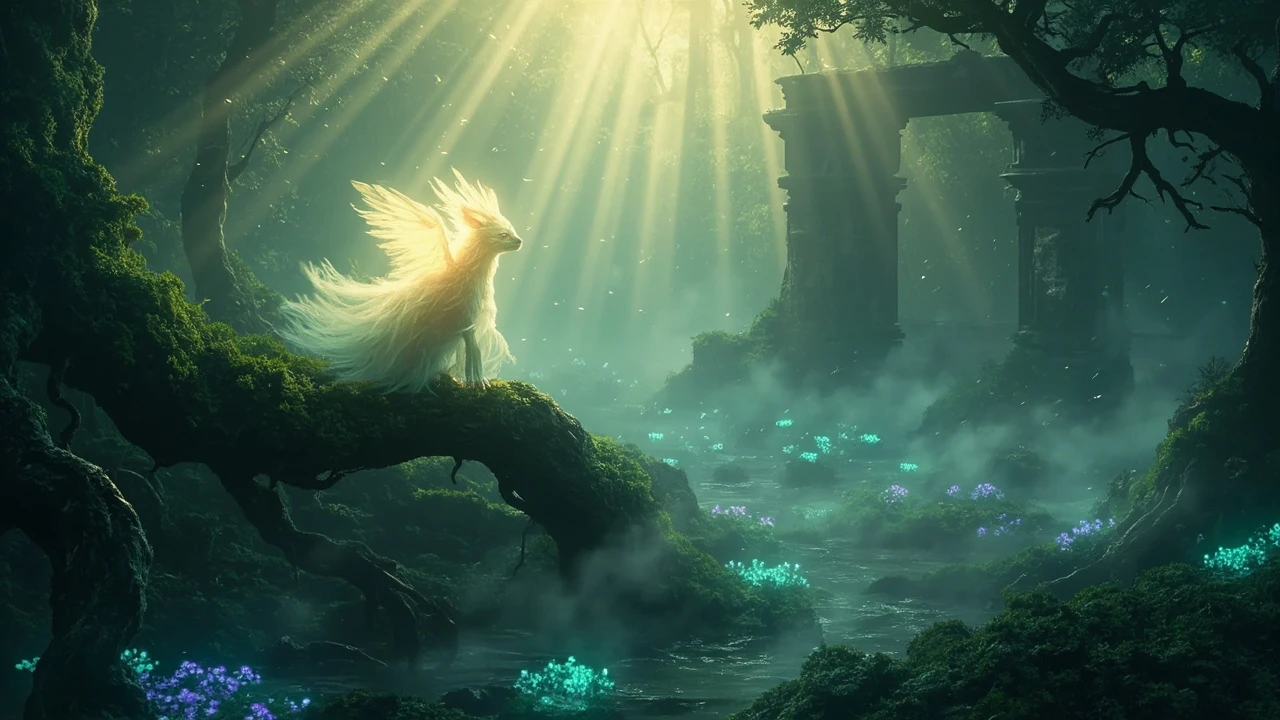
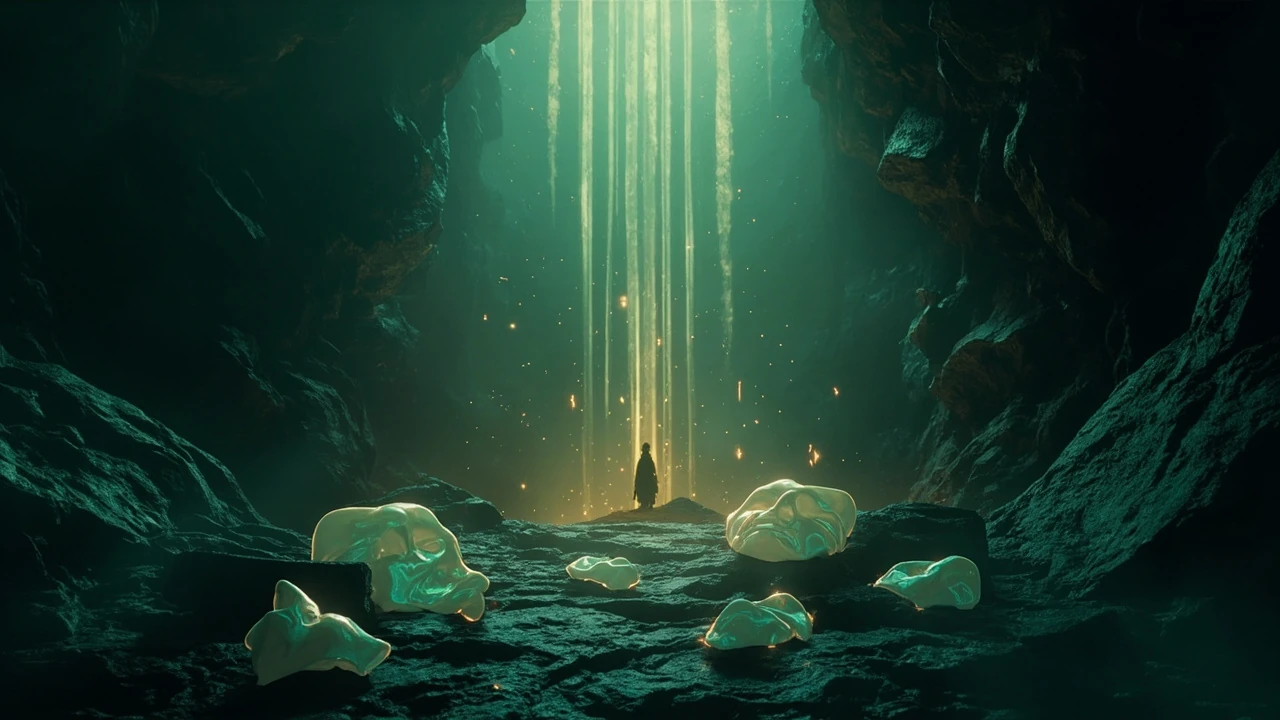
A properly picked theme can become a powerful part of your game world. It’s more than art style or colors – it’s about delivering a consistent visual experience that stays with players for many hours. Think of themes such as “future empty barren land” or “magic-filled woods”. Every theme as a part of 3D or 2D game level design should bring out certain feelings and anticipations. The theme you choose must seep through every part of your design, including the color choices, lighting, and audio design for the interactive environment.
It is like a common mood revealed via visual elements. Just like when you turn on dark mode on Mac when watching movies at night, the lighting, color palette and art style create the necessary feel from the in-game world. That is the best definition of the “theme” as a part of game level design.
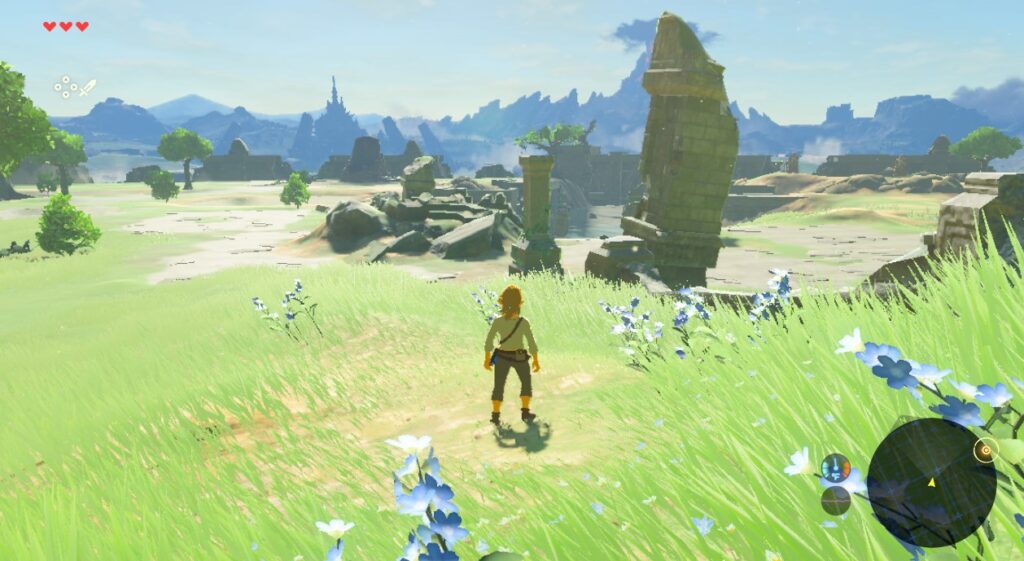
For example, the beautiful world of Hyrule stands as the iconic main location in “The Legend of Zelda” series. Through its enchanting theme of adventure and discovery, the setting “breathes” (no pun intended) through all the elements from the grass fields to antique ruins. During gameplay, players “feel” the theme through the comprehensive atmosphere that defines Hyrule. A perfectly developed theme can hold such power in gaming experiences. And that is what you need to strive to achieve in your game, even if it is a small project. Think of “Journey” or “Gris” as the perfect theme-based game level design examples.
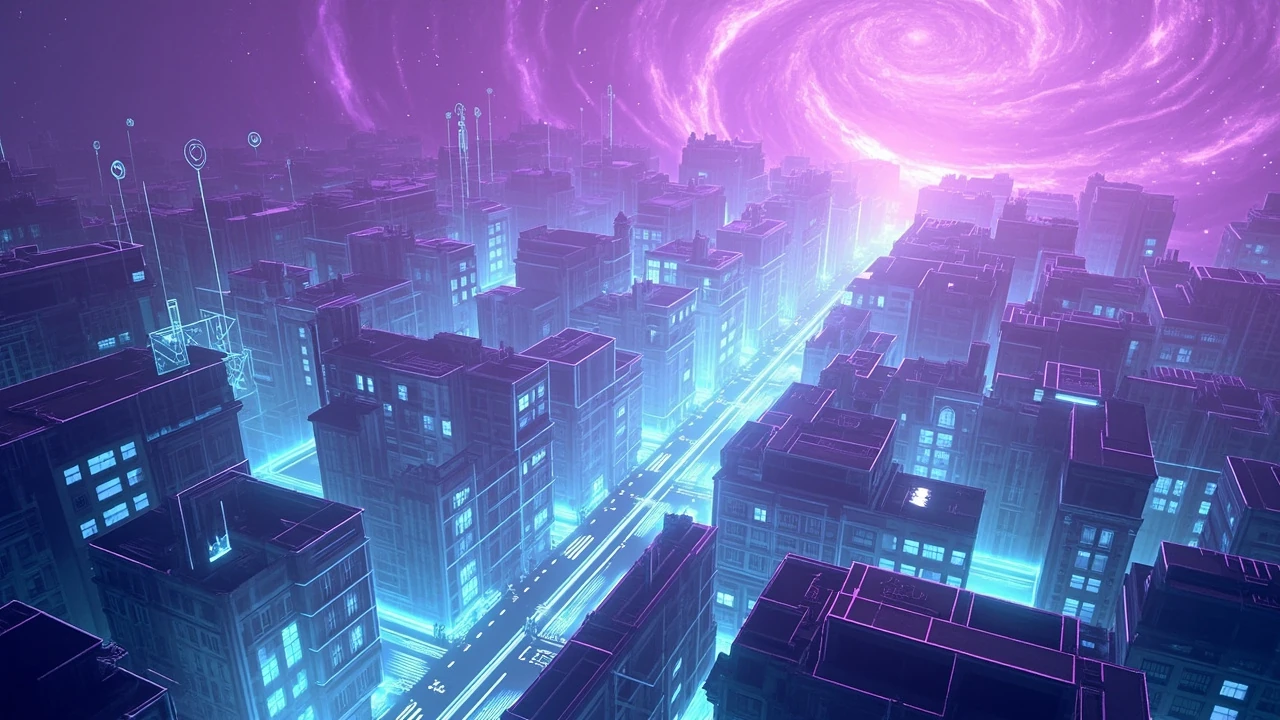
Even the entry-level game design requires the implementation of the theme to function as its structural foundation. The implemented design choices in your creations must support the overall environment through the theme elements. When choosing a theme like “cyberpunk dystopia” game designers need to add such elements as neon lights combined with futuristic technology and abrasive atmosphere. The game design theme also should steer character development and architectural leveling during the development.
How to Make a Theme Work for the Better Video Game Level Design?
So, how do you achieve this incredible effect? Start by defining your theme. Will it be a post-apocalyptic wasteland? Or a mystical fantasy realm? Or maybe an abandoned asylum as a part of horror game level design?
The concept of your theme will heavily impact all creative decisions through the development:
- The central idea needs every environmental element including texturing and audio effects as well as enemy encounters to support;
- Visuals alone do not make the cut when it comes to achieving this result. The most important aspect is to create the genuine atmosphere of a particular location, work it through – each corner of your world should be felt as realistic and immersive;
- Consider hiring a professional sound designer to make the audio elements that fill up the world giving it a unique “voice”. The distant hum of machinery in a sci-fi game, the rustling leaves in a forest, or the eerie silence of a ghost town…You get the idea;
- And don’t forget about the narrative. Each level in a video game must reflect the story progression, preferably through the environmental storytelling;
Last, but definitely not least, your theme should stir emotions causing a firm connection between a player and the game world. Consider these factors while planning the aspects of layout game level design.
Choosing Visuals and Art Style for the Game’s Theme
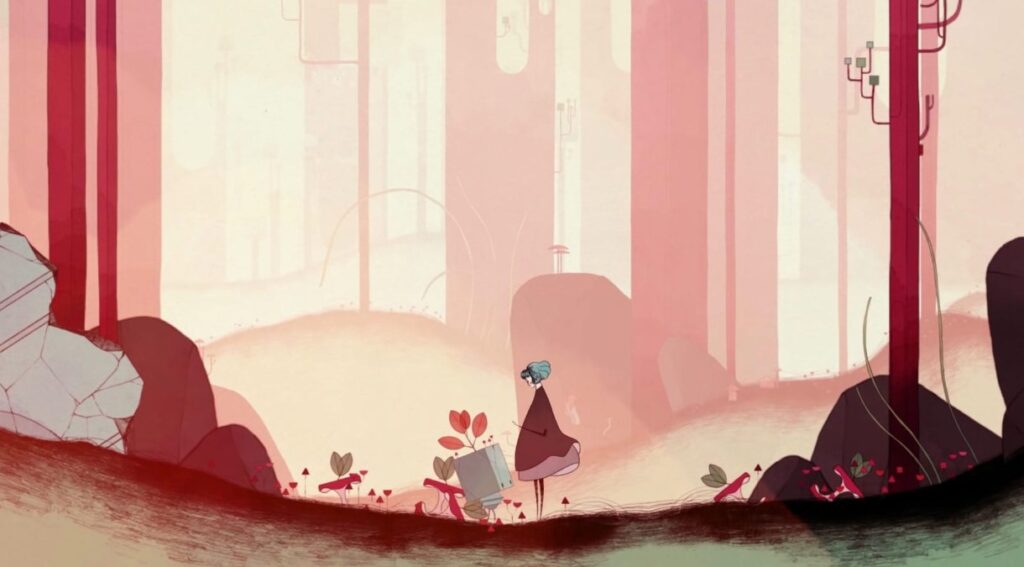
Visual elements together with art aesthetics serve as fundamental components for creating an immersive virtual world with a powerful theme. Game appearance needs to be consistent with both theme and environmental “feel”. A reliable patterned art style allows users to become completely absorbed in the game world making their gaming experience more compelling.
For instance, the art style used in “Ori and the Blind Forest” perfectly illustrates what we mean. The game’s magnificent hand-painted visuals produce visual delight that mirrors its subjects of nature and rebirth. A video game achieves much of its recognition through its distinctive art style. It is a great example of how the puzzle game level design works.
The following elements help in developing immersive art styles for your game development:
- All artistic elements within the game need to be uniform and consistent across different stages. The player experience becomes negative when there are inconsistent art elements. They should complement each other;
- You should apply art style methods to generate atmosphere within your project. Game level design elements should support the theme to add more emotional appeal;
- Pay attention to detail. Small visual details can enhance the world’s immersion and player engagement;

How to Implement Lighting and Atmosphere into Game Level Design?
Lighting in the game helps to add deepness and reflection. It helps to hide and reveal the elements, depending on the story’s task. It is a great element that may improve any theme. For example, the neon lighting in “Cyberpunk 2077”.
Consider adding the lighting effects using the games like “Control” as references. The combination of moving lights with atmospheric effects in the game generates a tension-filled atmosphere that feels mysterious to players. The lighting enhances the game’s theme of the unknown and supernatural, immersing players in this uncharted world.
The proper selection of lighting fixtures helps to build the particular emotional settings. A video game world needs proper atmospheric illumination to reflect the “gut feeling”.
Also, the light should draw attention to story-driven objects and detection systems with essential paths as well as potential enemies.
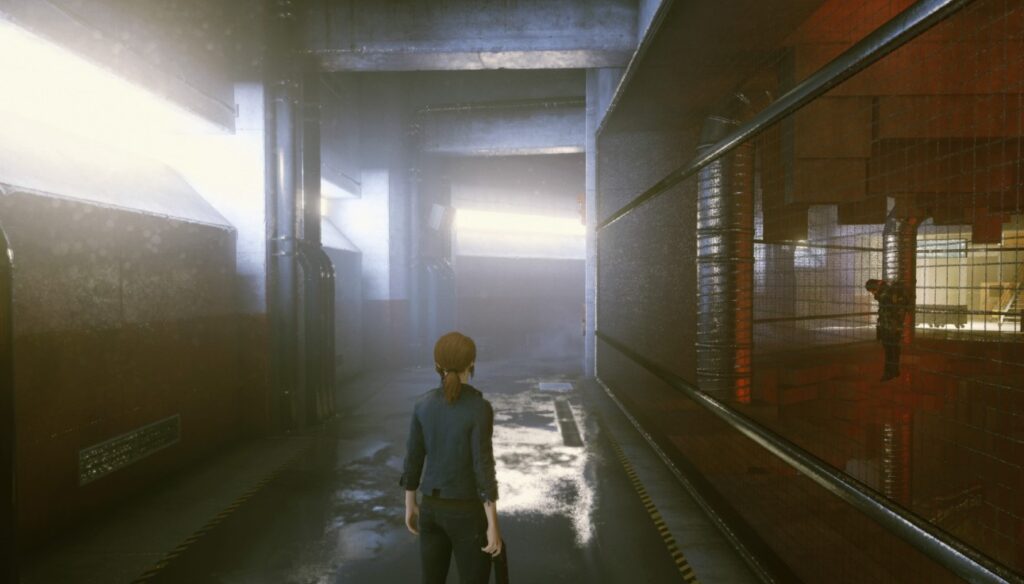
Movement and illumination through lighting elements such as reflections together with shadows help bring realism to the game world.
Environmental Storytelling and Theme-Based Level Design Used Together
Throughout the environment, game designers can add visual signs with tangible elements to indicate previous occurrences and potential threats. For example, a deserted village reflects the story of severe loss together with unresolved mysteries. Or the marketplace with its active bustle reveals a society based on success and cooperative unity.
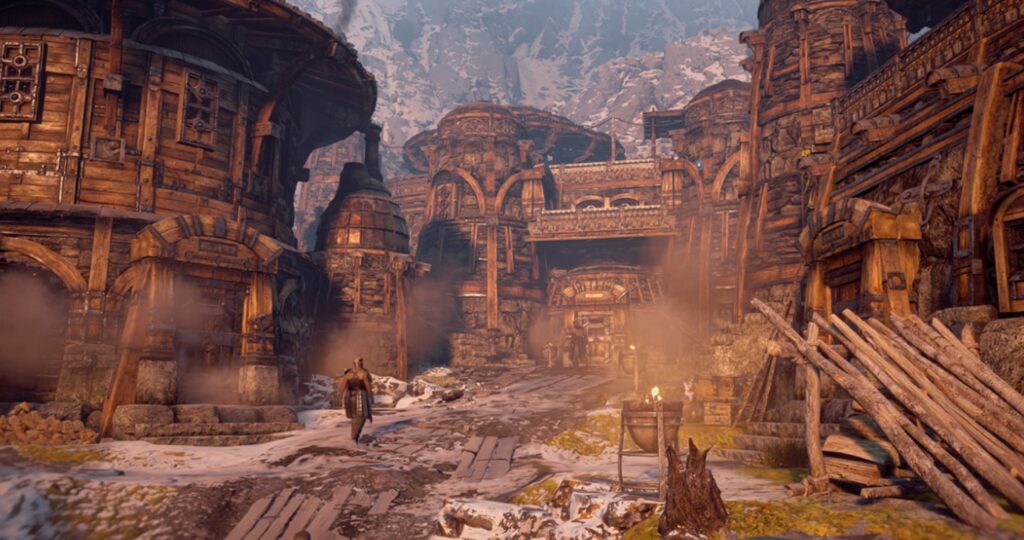
Get inspired by the environment and feel depicted in “Horizon Zero Dawn”. The world shows evidence from a previously eliminated human society during its apocalyptic period. Players may even discover historical details by observing environmental elements that give the place a feeling of both antiquity and current life.
Environmental storytelling allows designers to develop stories by using the surrounding elements as central components:
- Visual signals should lead players through the world while providing historical clues about its background to back up the major plot. The combination of a tattered sign along an eroded wall shows the background information through design elements;
- Make the environment interactive. Players should find secrets and solve puzzles when they explore different areas of the gameplay;
- You should establish an atmosphere that functions to emphasize the narrative. The mood setting depends on the proper application of lighting together with sound and weather effects;
Sound and Music – The Heartbeat of Your Virtual World
Always remember that noise holds significant strength throughout all situations. Various audio elements such as noise compositions and sound effects make the fictional realm more believable. The example – the noise level of a crowded urban area must always diverge from the peaceful location that exists in a tranquil wilderness setting.
For example, the game soundtrack of “Journey” serves as the perfect illustration. The music tracks from this game follow the character’s progress to increase the game’s emotional elements.
The aim of sound design is to design noises that synchronize with visual content. The subtle sounds within the virtual world play an essential role in making players experience complete immersion.
Immersion takes shape through both natural environmental sounds and city background noises.
The selection of musical style needs to match the chosen theme and game level design. Music should support the existing environment to build a more powerful emotional impact.

Audio feedback should be used through sound effects to inform players about their actions. When coins touch together and swords strike each other, it enhances the realism of the virtual world.
While Creating the Theme Remember About Consistency
Consistency in game level design, especially when adding the elements to the theme, ties everything together. All these elements should create a unified world – the way they all come to merge, work, and tell the stories. Without them, the world’s immersion will be broken and everything will look plastic.
Think of “Dark Souls” at this point. Not only is the game dark and gothic but very consistent too. The depressing but alive world “breathes” through grim architecture, eerie stories, and haunting music.
You need to have a clear vision of your theme, without losing the focus on small things. Seek feedback from playtesters. It helps to identify inconsistencies and those areas that require improvement.

Game Level Design Ideas And Practical Tips For Developers
When using the game level design software for building theme elements, consider such things:
- Before starting to make your levels, define your theme. Mood and atmosphere mean a lot because these elements are what players “feel” and experience at once. Make sure that everyone on your team gets the vision of the world’s major theme and write down your ideas;
- A mood board with theme-focused pictures, sound references, and other visual elements can help to form the common vision of how the art style and theme should define the visual part of your game level design;
- Work through the environmental elements you want to add to tell the main story or small side tales in your virtual world. Read the articles about environmental storytelling;
- Plan for hidden paths, secret rooms, and environmental puzzles that integrate both visually and mechanically into the world. Consider how your players will engage with the world, test the game by walking it through on your own. The theme should be “felt” everywhere and in every aspect;
- Pay attention to sounds. Barely noticeable noises, powerful sound effects, and original music will give the “voice” to the theme you have envisioned on your moodboard;
- Test your levels with real players and get unbiased feedback. Make use of this feedback to improve the areas for future use. Keep in mind that the intention is to make a world that feels in league with the player.
Also, we recommend you check out our post about other game design tips and recommendations for fellow developers.
Frequently Asked Questions
How to design a level for a video game?
Start with a good flow before designing the first level and location. Sketch the layout, considering players’ movement and obstacles they may face. Increase this tension and reward the pacing. Fix the issues and tune the details, iterate, and test. In the end, you should feel rewarded while playing – your game level design should have the balance between fun and challenge. Also, a good game level has to be polished – work together with artists and testers.

How to pick a theme for the platformer game level design?
The choice of a theme requires an appreciation for the overall art and narrative assets of the game. Get inspired by real forests, cities, or futuristic landscapes from movies and animated works. The mechanics should include the theme and vice versa – always enhance the gameplay. Also, the chosen theme should be perfectly within the game’s tone, whether it’s serious, whimsical, or adventurous. An immersive experience is made with consistency and creativity.
Conclusion
The YaninaGames team hopes this post helped to guide aspiring developers in the right direction. Remember that every aspect of game level design and the carefully crafted theme, art style, and atmosphere play not the last role. Make sure to bookmark our website if you want to learn more useful tips about game design. Also, you may contact us in case you need to collaborate with experienced game developers to create a gaming project. Let’s build something beautiful together.