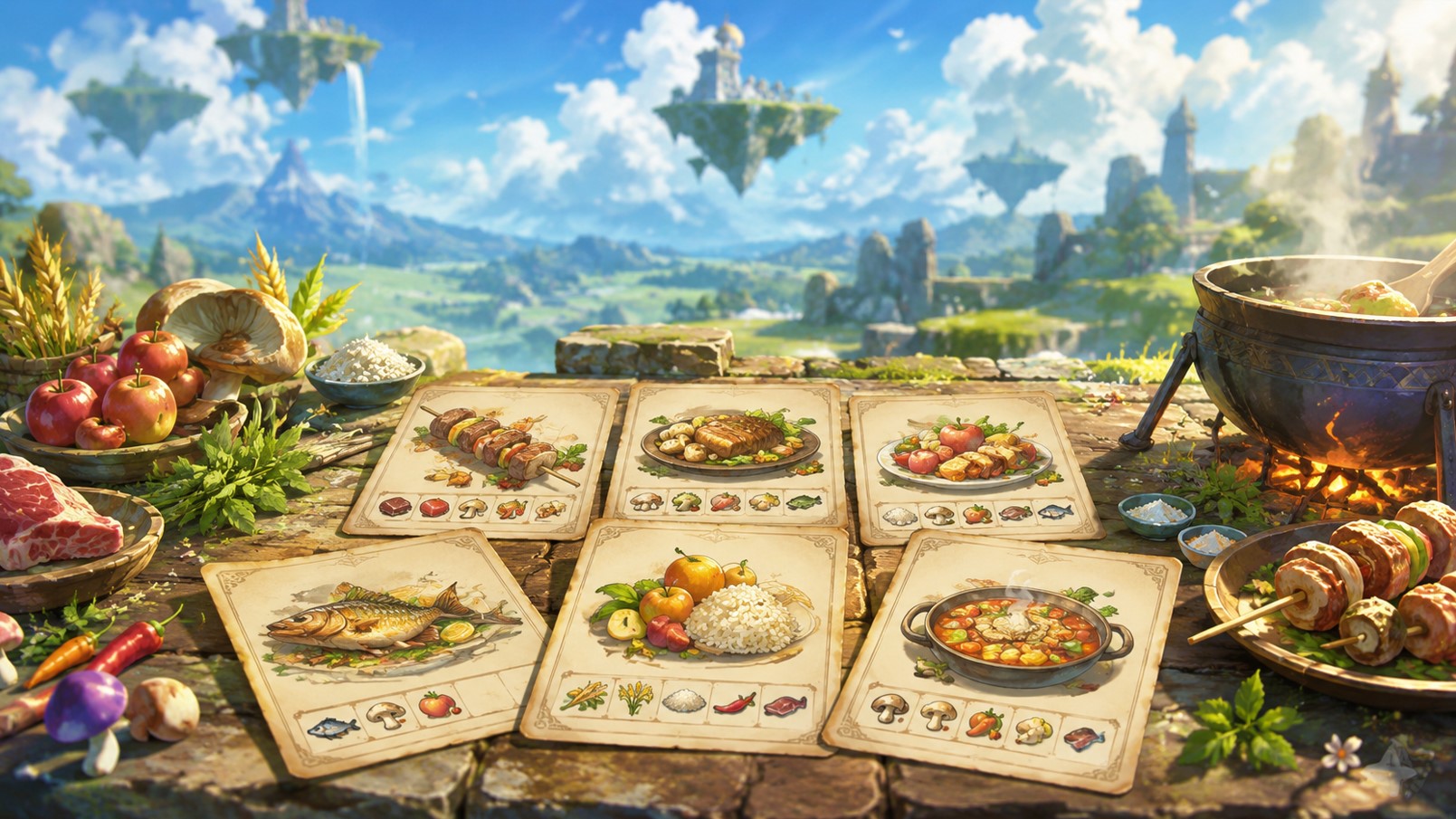
Recipe Cards in The Legend of Zelda Tears of the Kingdom Are the QoL Fix We Always Needed
Let’s be honest – cooking in Breath of the Wild was kind of a mess. Not the mechanic itself, which was genuinely fun, but the memory tax that came with it. You’d stumble onto some wild combination, watch Link pull off a perfect dish with eight full hearts and a stamina boost, feel like an absolute genius… and then completely forget what you just threw in the pot. Gone. Forever. You’d spend the next three hours throwing random mushrooms into a pan, hoping to rediscover that magic.
Nintendo heard us. Loudly. And with Tears of the Kingdom, they introduced recipe cards – a straightforward, no-fuss system that logs every dish you cook so you never have to wrack your brain again. It sounds small. It really isn’t.
So, What Even Are Recipe Cards?
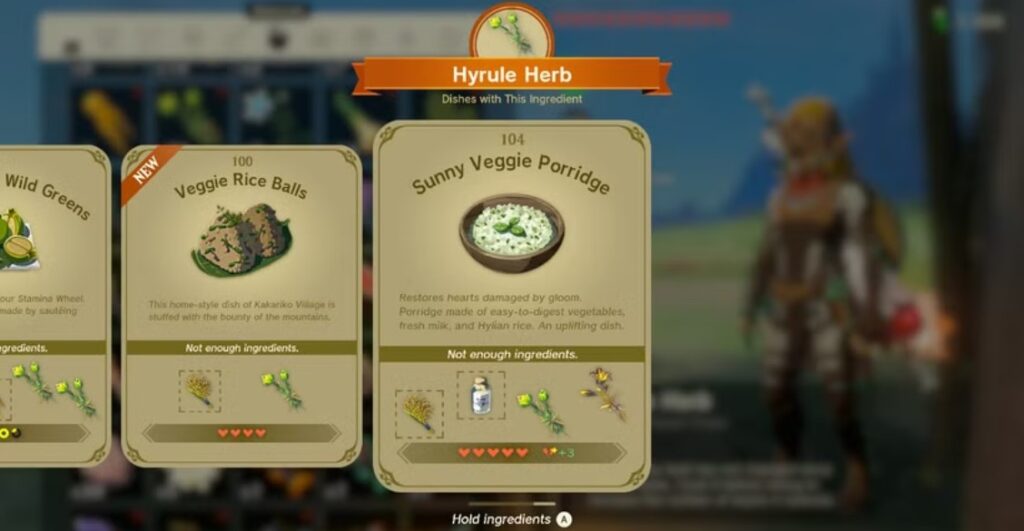
Think of recipe cards in TotK as your personal culinary journal. Every time you cook a dish for the first time – whether you’re at a campfire pot in Akkala or using one of the new Zonai portable pots out in the field – that recipe gets automatically saved to what the game calls Cooking Notes. The card stores the dish name, the ingredients you used, and the effects it provides, like health restoration or status buffs.
No more mental gymnastics. No more scribbling notes on a sticky pad beside your Switch. The game does it for you.
You can pull up your Cooking Notes from the food inventory screen with a simple dropdown option labeled “Check Recipe.” Each card is numbered, too – so if you’re the completionist type who wants to track down all 214 dishes in the game (yes, two hundred and fourteen), you’ll know exactly how many gaps are left in your collection.
That jump from Breath of the Wild’s 118 recipes to 214 in TotK alone shows how seriously Nintendo took the cooking system this time around.
How Recipe Cards in TotK Actually Work in Practice?
Here’s the thing – recipe cards in The Legend of Zelda Tears of the Kingdom aren’t handed to you. You earn them by cooking. That’s it. The moment you combine ingredients in a pot and produce a dish for the first time, a new card appears in your Cooking Notes with a small “New” banner on the top left corner.
The card then becomes a permanent reference. Pull it up, check the exact ingredients, and recreate the meal on demand. It’s as close to a proper recipe system as Zelda has ever had.
There are a few ways new cards get added:
- Cook something yourself – the most common method; just experiment at any cooking pot
- Receive a meal from an NPC – certain characters across Hyrule will hand you food, which also triggers a card
- Find notes, books, or posters – some environmental storytelling in the game includes hints about specific recipes that, once confirmed, contribute to your knowledge
And honestly, that third one is a nice touch. It rewards players who actually explore and pay attention to the world, rather than just speedrunning the cooking system.
Where to Cook and How to Use the Cards Efficiently?
Cooking pots are scattered generously all over Hyrule – stables, villages, enemy camps, and even certain shrine rooms have them nearby. But what’s new in TotK is the Portable Pot, a single-use Zonai device you can obtain from dispensers and carry in your inventory. Drop it anywhere, light a fire, and you’ve got a makeshift kitchen in the middle of a canyon.
This matters for recipe cards because it means you’re never far from being able to cook. Found some Stamella Shrooms on a clifftop? You don’t need to hike back to Lookout Landing. Pop the Portable Pot, cook your meal, and that card gets saved right then and there.
The efficiency angle is where recipe cards really shine. Once you know what you’re making, recreating a dish is fast. Check the card, grab your ingredients from inventory, drop them in the pot. No guesswork. For speedrunners and players working through tougher areas – the Depths come to mind immediately – having that instant reference can genuinely be the difference between life and death.
The Meals Worth Unlocking First – A Practical Breakdown
Not all recipe cards are equal. Some dishes are workhorses you’ll lean on constantly; others are situational or just plain weak. Here’s a look at recipe categories that are genuinely worth prioritizing when you’re building out your Cooking Notes.
Recipe Cards That Will Carry You Through the Toughest Fights
These are the dishes you want saved early. Bookmark these cards the moment you have the ingredients:
- Hearty meals – anything made with Hearty Durian, Hearty Radish, or Hearty Bass will give you bonus yellow hearts on top of full health restoration. Cook five Hearty Durians together and you’re looking at a massive temporary heart boost that can save a boss fight
- Mighty dishes – made with Mighty Bananas, Razorshroom, or Mighty Carp, these grant an attack power boost that stacks well with upgraded weapons
- Energizing meals – Stamella Shrooms and Endura Carrots go into these; they restore and even extend your stamina wheel, which matters enormously when you’re climbing the Lanayru Mountain or flying on a Zonai contraption
One thing to keep in mind: up to five ingredients fit in the pot at once. If a dish already uses all five slots for its base recipe, you can’t slip in an extra buff ingredient. The recipe card will show you exactly how many ingredient slots are used, which helps you plan accordingly.
The Buff Categories You’ll Reference Most
| Buff Type | Key Ingredients | Primary Use |
|---|---|---|
| Extra Hearts (Yellow) | Hearty Durian, Hearty Radish | Pre-boss prep, exploration safety |
| Attack Boost (Mighty) | Mighty Banana, Razorshroom | Combat-heavy sections, Lynels |
| Defense Boost (Tough) | Armoranth, Ironshroom, Fortified Pumpkin | Tanky builds, difficult enemy camps |
| Stamina Boost (Energizing) | Stamella Shroom, Endura Carrot | Climbing, flying Zonai builds |
| Heat Resistance (Spicy) | Sunshroom, Warm Safflina | Eldin Volcano, hot climates |
| Cold Resistance (Chilly) | Chillshroom, Cool Safflina | Lanayru snowfields, deep Depths areas |
What Happens When You Cook Badly – and Why That Still Matters
Here’s a gentle contradiction worth addressing: not every recipe card is a good one. TotK’s system logs your failures too – sort of. Throwing random inedible materials like rocks or monster parts together usually produces Dubious Food or Rock-Hard Food, neither of which is great. Dubious Food restores a single heart at best; Rock-Hard Food is barely worth the effort of picking up.
But there’s a weird silver lining. Even stumbling onto a bad recipe teaches you ingredient combinations that don’t work, which narrows down your experimenting. And honestly, some of the “bad” recipes show up in your notes in a way that’s almost charming. There’s a certain flavor – pun absolutely intended – in TotK’s commitment to logging everything.
The real failure state in the cooking system isn’t making a bad dish. It’s throwing a status-buff ingredient into a pot alongside a conflicting one. Mix a Spicy Pepper (heat resistance) with a Chillshroom (cold resistance), for instance, and the effects cancel each other out. You’ll end up with a meal that just heals you – no buffs at all. The recipe card still saves, but it’s a quiet reminder to be more intentional next time.
Recipe Cards vs. Breath of the Wild’s Guesswork – the Full Comparison
It’s worth stepping back for a second and really appreciating what recipe cards in The Legend of Zelda Tears of the Kingdom actually fixed.
| Feature | Breath of the Wild | Tears of the Kingdom |
|---|---|---|
| Recipe tracking | None – all manual | Automatic recipe cards saved to Cooking Notes |
| Total available recipes | 118 | 214 |
| Recipe numbering | N/A | Numbered for completionist tracking |
| Portable cooking | Fixed pot locations only | Portable Pots (Zonai device) anywhere |
| Learning recipes from NPCs | Limited | Yes – NPC meals also unlock recipe cards |
| Recipe effects displayed | Not saved | Shown on each card (hearts, buffs, duration) |
The difference is stark. BotW was a fantastic game, but its cooking system felt like a prototype compared to what TotK delivers. Recipe cards aren’t a flashy new mechanic – they’re the kind of thoughtful, player-respecting design that makes you wonder how you ever played without them.
Tips for Filling Out Your Cooking Notes Faster
If you want to collect all 214 recipe cards, there are a few approaches that actually work:
- Cook at every stable you visit – stables often have cooking pots and nearby ingredient vendors; grab what’s on offer and experiment before moving on
- Talk to cooks and chefs across Hyrule – some NPCs will directly give you food or describe dishes in ways that hint at their ingredients
- Look at environmental signage – posters on tavern walls, handwritten notes in abandoned houses; these are deliberate clues from Nintendo pointing you toward undiscovered recipes
- Focus on one buff type per session – rather than randomly throwing things in a pot, try to unlock the full set of Mighty or Spicy dishes before switching categories
The recipe card system rewards methodical play without punishing chaos. You can fling stuff at the wall and see what sticks, or you can approach cooking like a completionist checklist. Both work. That flexibility is the point.
Critical Success – the Hidden Wildcard in Your Recipe Cards
Here’s something that doesn’t get mentioned enough. When you cook, there’s a chance of a critical success – a random bonus that kicks in alongside your normal recipe outcome. This can mean:
- Three extra hearts added to the dish’s healing.
- One level of potency increase to whatever buff the recipe grants.
- Five extra minutes added to a buff’s duration.
You can increase the odds of a critical success by cooking during a Blood Moon, or by adding a Golden Apple to the pot as one of your ingredients. This doesn’t change which recipe card gets saved, but it absolutely changes how useful the resulting dish is. So even an “average” recipe from your Cooking Notes can punch well above its weight if cooked at the right moment.
It’s one of those layers in TotK’s cooking system that separates casual cooking from actually mastering it.
FAQ
How do recipe cards work in Tears of the Kingdom?
Every time you cook a dish for the first time, it automatically saves to your Cooking Notes as a recipe card, showing the ingredients and effects.
How many recipes are in Tears of the Kingdom?
There are 214 recipes in TotK, more than double the 118 available in Breath of the Wild.
Can I access recipe cards during cooking?
Yes – from your food inventory, select the “Check Recipe” dropdown option to browse all your saved Cooking Notes while preparing a meal.
Do I need to find recipes, or do they unlock automatically?
They unlock automatically when you cook a dish. Some can also be triggered by receiving food from NPCs or finding written hints in the world.
What happens if I cook a bad combination?
You’ll likely get Dubious Food or Rock-Hard Food, which offers minimal healing. The game still saves the result, though not always as a useful recipe card.
What is the Portable Pot and how does it help?
It’s a single-use Zonai device that lets you set up a cooking pot anywhere in Hyrule, meaning you can cook – and unlock new recipe cards – without backtracking to a settlement.
What’s a critical success and how does it affect recipe cards?
A critical success is a random bonus that adds extra hearts, increases buff potency, or extends buff duration to a cooked dish. It doesn’t change the saved recipe card, only the quality of that specific meal.
Wrapping Up – Recipe Cards Changed How TotK Feels to Play
There’s a reason recipe cards in The Legend of Zelda Tears of the Kingdom come up in nearly every “what TotK does better than BotW” conversation. They’re not a major mechanic in isolation – no cutscenes, no questline, no dramatic reveal. They just… work. Quietly, reliably, every single time.
And that’s the whole point. Good game design often isn’t about what’s new and explosive. Sometimes it’s about fixing the thing that was mildly annoying in a way that makes you feel respected as a player. TotK’s recipe cards do exactly that. They take one of Hyrule’s richest survival systems and make it approachable, trackable, and honestly – a bit addictive to fill out.
So the next time you’re standing in front of a cooking pot in Eldin or Lanayru, throwing together five Hearty Durians right before a boss fight, spare a thought for the recipe card system quietly logging everything in the background. It’s one of TotK’s best additions. And it didn’t need a trailer to prove it.
P.S. Stand with the YaninaGames team by sharing this post across your social media networks and helping our creative universe reach more passionate gamers everywhere. Add this content to your bookmarks right away so it’s always one click away for fresh inspiration and future updates whenever you need them. If you’re interested in creative partnerships or commercial collaborations, simply write directly to the YaninaGames team and let’s build something extraordinary together.