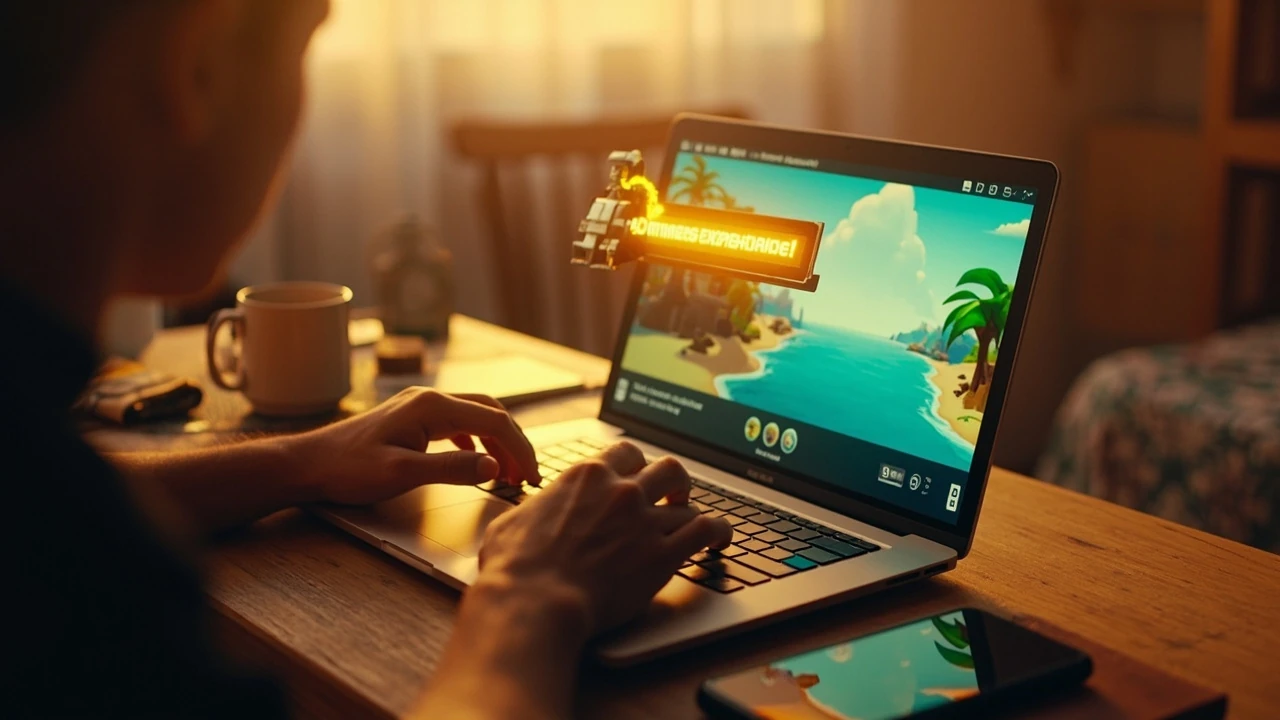
The Tech Jump In Online Gaming That Changed Everything
Ten years ago, online gaming was mostly about competitive matches, downloadable content, and waiting for updates to finish. Today, it’s something else entirely. Players don’t just play, they live inside these games. They stream, socialize, explore, and sometimes even earn a living. What started with innovation has turned into full-scale immersion. The YaninaGames explains how innovations in technology impact the current state of online gaming in 2025 (and beyond).
Online gaming in 2025 is no longer defined by platform or genre. Thanks to major leaps in infrastructure and design, players now move fluidly between game types, from expansive multiplayer worlds to short-session puzzles, strategy simulators, and fully interactive casino environments.
Game lobbies are no longer just waiting areas. They’ve become flexible hubs where players browse live events, switch game modes, and filter by speed, buy-in, or bonus rules. In casino platforms, that might mean picking between a low-stakes blackjack table, a timed jackpot slot, or a rotating promo room only open in certain states.
This variety gives players more choice, but also more to figure out. Features and offers change not just by game, but by location. That’s why players looking to navigate real-money platforms now turn to tools that break it all down clearly.

Many turn to Dimers’ comprehensive online casino article, which positions the best online casinos in the US markets. It helps players compare which sites offer live dealer rooms in New Jersey, which platforms allow anonymous crypto play in Texas, or which bonuses are locked behind deposit minimums in Michigan.
What Made the Biggest Difference for Online Gaming in 2025:
- Cloud-based play removed the need for high-end machines.
- 5G access brought reliable multiplayer to places that were once offline.
- Mobile-first design made even advanced formats, like live casino rooms, smooth on smaller screens.
- AI-backed systems introduced dynamic menus, adaptive lobbies, and personalized session pacing.
Together, these shifts didn’t just upgrade performance; they gave players control over how, where, and what they play across every online gaming genre.
Online Games That Evolve With You
The biggest online SaaS games don’t have an ending. They’re updated constantly. Players log in weekly not just to play, but to see what’s new.
Live-service games dominate now. Titles like Fortnite and Battlefield 6 run seasonal updates, world events, and real-time story changes. If a player misses a week, they might miss a citywide takeover or a rare one-time mission.
Games aren’t static. They breathe, shift, and react. And that has made them feel more like places than products.

The Social Layer Is the Secret Sauce of Online Gaming
Modern online games double as social platforms. Players don’t just join to complete quests; they join to hang out, chat, stream, and build:
- Virtual hubs let players decorate spaces, host events, and even start in-game businesses.
- Proximity voice chat has replaced global lobbies. It feels more natural and personal.
- Cross-platform parties enable friends on PlayStation, PC, and mobile devices to play together seamlessly.
Online gaming in 2025 isn’t isolated. It’s collaborative, expressive, and very human.
Personalization Is Now Expected
No two players have the same game experience anymore. AI-driven engines adapt difficulty, storylines, and environments to each person.
For example, in Echo Bloom, one player might explore a peaceful forest while another uncovers a dystopian version of the same world, all based on play style and choices.
This level of dynamic storytelling was once a dream. Now it’s standard.

Monetization Got Smarter and More Player-Friendly
Old-school microtransactions are fading. In their place, we see:
- Season passes that reward skill and consistency, not just spending.
- Cosmetic-only shops, where purchases don’t affect gameplay.
- Player-created content is sold through in-game markets, giving gamers a chance to earn.
Online games respect player time more. And that’s made paying feel optional rather than forced.
Gaming as a Career, Not Just a Hobby
Gaming careers were once limited to a few elite players. Opportunities are far more diverse. Streaming, content creation, design, and development now offer real, lasting income, not just weekend side projects.
Some players build and sell maps, mods, or cosmetics on open platforms like Roblox and Fortnite. Others stream full-time on Twitch or Kick, supported by tips, subscriptions, or ad revenue. Many join studios through nontraditional paths, starting as community testers or Discord mods and eventually becoming paid developers, QA leads, or in-house designers.

Even indie game developers are emerging from player communities. With better tools and revenue-sharing platforms, it’s easier than ever to launch small games or prototypes independently. For a growing number of players, online gaming isn’t something to grow out of; it’s where their careers begin.
The Immersive Online Gaming We’re Now Living
The real story here isn’t just about technology. It’s about how people interact with online games today:
- Players attend digital concerts inside game worlds.
- They fall in love, make friends, and join communities.
- Some use VR headsets, others use voice commands, and some play entirely through mobile.
Immersion isn’t a buzzword anymore. It’s the new normal for online gaming.

Conclusion
The YaninaGames guides aspiring developers and fellow gamers to explore new technologies in such popular genres as SaaS online games. If you want to learn more about online games, slots, casino games, video games, and indie games, you should follow our blog with regular updates. We humbly ask you to support our content by sharing it online or adding it to your bookmarks. Also, we are always open for collaboration – both creative and commercial – being a team of PR experts, 2D/3D artists, game devs, and everyone in between.