A Small Game Concept – Your Game Dev Start
Many developers have issues with turning even a small game concept into a finished project. We, as the small game dev team at YaninaGames studio, have observed such cases on many occasions, when small projects fail not due to a poor idea, but because it was not structured well at the beginning.
We have been searching for years to find what works and what silently kills small projects. And you know what? One method works every time to turn a small game concept into a finished project. Even the smallest ideas surviving are handled as actual products of the first week. Hard limits, clear reference points, and early decisions not only fail to prevent creativity but safeguard it. It is that change that usually determines whether a game will be completed or not.
Testing a Small Game Concept With Competitive Online Comparisons
You need to ensure that your small game concept is grounded before you start taking it seriously. The use of intuition alone can help to scope ambiguity and poor positioning in numerous occasions. The trick here is to look past the games and realize how saturated digital markets provide choice in environments where a large number of products of similar types compete to get attention.
We regularly use comparison platforms, where you can visit the website to see what features and player incentives top online games offer and how those options are structured to attract engagement and retain players. The analysis of this structure has enabled us to know why certain games are popular and what rewards appeal to players. The ideas are applicable even when you are not playing a casino-style game. Obvious value, clear design, and fun features are important even for the smallest game; additional complexity can (and eventually will) drive the players away.
Molding a Small Game Concept That Includes the Player’s Behavior
Once you become sure about the small game concept, you should begin planning with achievable boundaries. You need to enumerate what the game should possess to run and what can be delayed or eliminated. This is the period of restraint rather than ambition since we have witnessed small games go down the drain when they ape the big studio formula they cannot sustain.
Contemporary players want to see what is going on in the initial few minutes, and thus, you have to pay attention to basic controls, straightforward feedback, and progress that makes sense immediately. You should establish hard constraints on the playtime, the number of features, and the scope of updates. Also, take into consideration the way the game will be presented on the platform it is selected on. Store pages are rewarding to a simple, refined feature list, but longer, incomplete lists are less rewarding.
Including observed player behavior around modern gaming trends, such as session length and engagement preferences, including crypto integration and seasonal trends, can save you months of trial and error later in the process.
When you begin to construct the game, create only what is necessary to play the game to the end. Cut off any unnecessary game concepts, mechanics, and elements. Instead, focus on graphics polish, sound, and additional modes – but only after the major systems have been tested to work well.
You should count game loops as progress and not the number of new features during this time. Each new item should render the game more understandable or predictable. When a feature is not beneficial to the primary loop, put it aside or remove it.
It is better to test sooner than other people, as even rough builds present issues when new players test them. Observe the points at which users pause, repeat, or cease playing. To our team, these behaviors are more significant than opinions.
We use usability testing principles from the Australian Government’s Digital Service Standard as a reference for digital product testing and service design. Their emphasis on clear navigation, predictable feedback, and accessible interaction applies to games just as much as it does to other digital services. Aligning our development process with these standards has helped me avoid preventable friction and improve the user experience well before release.
Making a Small Game Project Ready to Release and Support
We discovered weak assumptions that were not clear earlier on before we released. Validation of store rules, platform requirements, and legal procedures is time-consuming, and we will do them early, before the final build. To prevent confusion, prepare assets in advance, write and read descriptions, and lock version control.
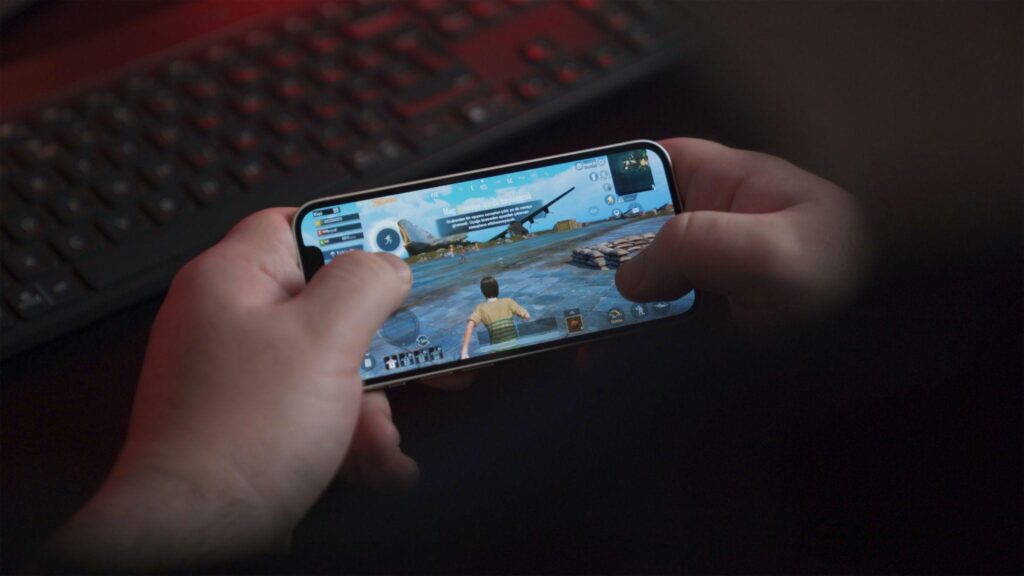
You should also provide post-release early support. Even minor games require fixes and minor updates, and thus, make a pre-decision of what is going to be supported and for how long. Early expectations discourage vague promises that are time and energy wasters, and keep players trusting us.
The Game’s Launch and Project Closure
It is not the end once you get to release your small game. The project closure is as significant as the game completion. You need to complete documentation, store assets, and write down the lessons learning during the game development process, which accelerates and enhances the following project.
The majority of the unfinished games do not get released because of the decisions being delayed or avoided. We’ve noticed that serious consideration of every idea, early and definite decision, and maintaining clear boundaries between a small game concept and release work well.
By the way, you can play a vital role in our growth by sharing this post on social media and adding it to your bookmarks to keep our latest updates close at hand. We are always open to new possibilities, so if you are looking to join forces on a creative or commercial level, please write to the YaninaGames team directly. Let’s connect and build something remarkable together.