Designing Gaming Engaging Experiences With Casino Philosophy
There’s more to designing gaming engaging experiences nowadays, in the crowded digital entertainment market, than a flash of colorful graphics or a tune in your head. The top platforms are aware that players are drawn to a combination of uncluttered design, rewarding mechanics, and a mood that beckons repeat players.
Interestingly, perhaps the best examples of this philosophy are on online casino websites, where the user experience is now as important as the games themselves. Looking at how these websites gain, retain, and engage players, designers, whether they’re focused on 3D or 2D game development learn a thing or two.
User-Centric Design and Simple Navigation
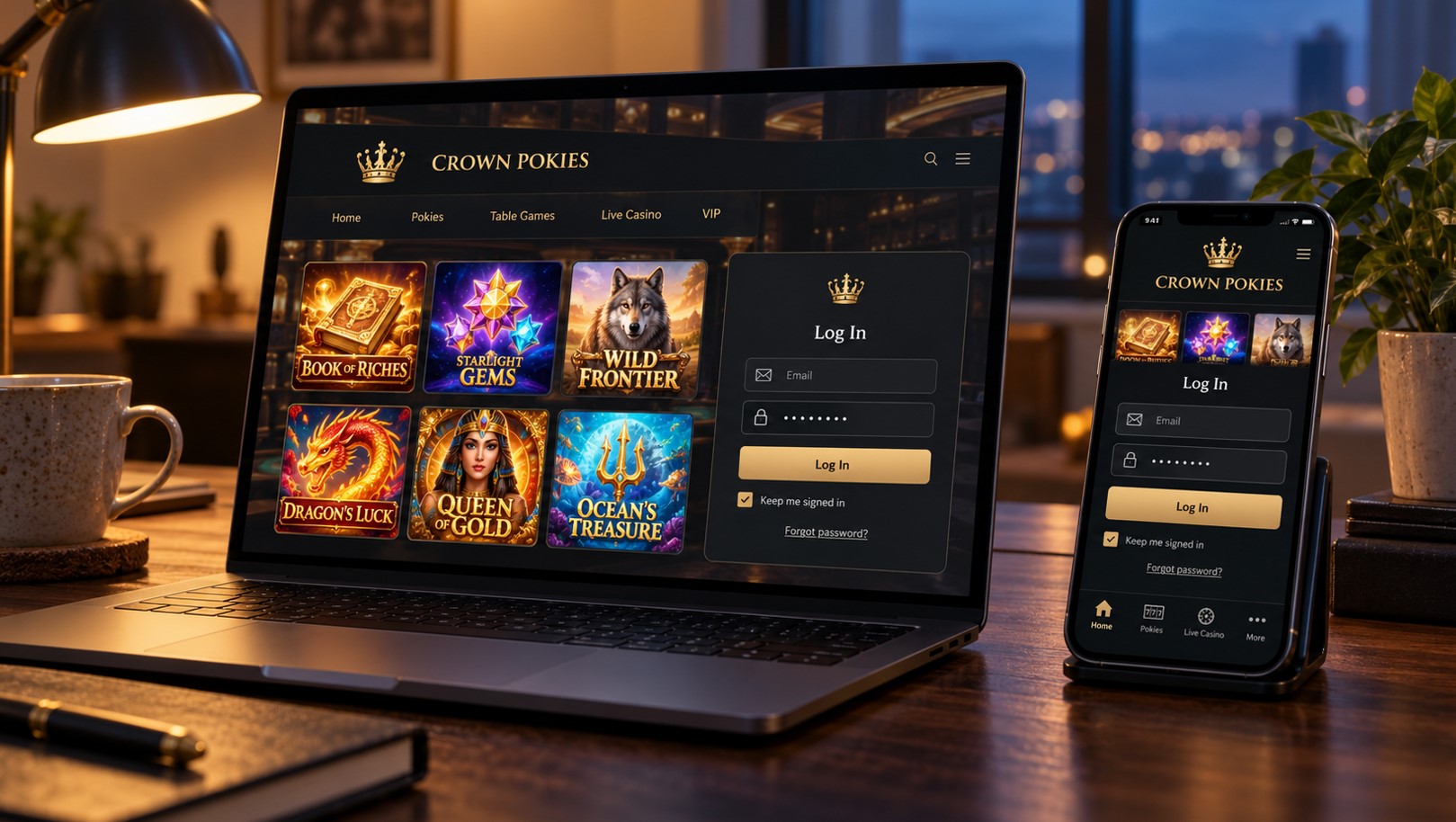
A good start is the focus on user-centric design. Online casinos such as NetBet.ie have shown us how important it is to simplify navigation, keeping it smooth and intuitive. When a player reaches a platform, he must never be confused by masses of clutter or menus.
Rather, the way to his desired game or feature is made as seamless as possible. For non-casino game designers, this is a simple but powerful lesson: simplicity of player experience yields retention.

Streamlined interfaces, logical menus, and interactive layouts retain players engaged in gameplay rather than searching for options. That’s particularly important on mobile platforms, where minimized design and easy access can get a user playing for minutes or hours.
The Psychology of Rewards
Casino websites have picked up on the tricks of incentive systems. Daily bonuses, tiered loyalty programs, or free spins; these websites keep re-energizing gameplay with real-world incentives. The psychology here is one-size-fits-all: players like to be rewarded, and even micro-level winnings can affect involvement drastically.
Non-casino game developers can replicate this by including meaningful progress markers, unlockables, and streak bonuses. Providing such regular feedback and rewards keeps games motivated and active, with players feeling each session returns some reward.
Immersion through Atmosphere
Beyond mechanics, casinos understand the importance of atmosphere. The use of sound effects, background music, and thematic graphics combine to build immersion and gaming engaging experiences. The spinning of reels with nice clicks or triumphant fanfare when a jackpot is awarded serves to build emotional investment.
Video game designers can apply the same principle by connecting audiovisual presentations to player action. The feedback needs to be sensed instantly and rewarding, and the atmosphere needs to be connected to the theme at all times, whether it is a fantasy world, sports simulation, or a puzzle adventure. Immersion involves engaging players on an emotional level.

Balancing Complexity with Simplicity
One of the most notable lessons from casino sites to build gaming engaging experiences is how they manage to keep complexity under the hood while making the screen easy to use. Slots, for example, can have complex algorithms and payout tables, but to the user, the mechanics are straightforward: spin and wait.
For the other developers, the message is that complexity should be in the service of design, not the other way around. Depth and strategy can be achieved, but need to be presented slowly or hidden behind transparent actions.
The player always needs to be able to feel certain that he is informed about what’s happening, although the system in the background is much more complex.
Social Connection as a Retention Tool
Most casino sites now feature social features such as leaderboards, tournaments, and live chat. These features leverage the social nature of gaming and provide players with the feeling of belonging beyond the single gaming session.
Mass-market game makers can do the same with cooperative modes, share systems, or competitive features that allow players to benchmark themselves against others. Social integration not only incites participation but also creates loyalty, as players build communities that encourage each other to keep coming back.

Responsible Design and Player Trust
Responsible gaming is another field that has seen significant investment by casinos. Features like deposit limits, time reminders, and self-exclusion options mark a larger trend toward player protection in the industry. Although this is largely a response to regulation, it also fosters trust and long-term viability.
For other gaming markets, the takeaway is unambiguous if you want to build gaming engaging experiences. Fairness and transparency are important to gamers. Functionality that protects users from exploitation or burnout not only builds reputation but also demonstrates a commitment to ethical design. This eventually strengthens player relationships.
The Power of Personalization
Personalization is now a signature of successful casino sites. With analytics, they can suggest games based on a player’s history, promote targeted offers, or change content based on personal interest. It evokes a feeling of being understood, which enhances satisfaction.
In wider gaming, personalization can occur through adaptive difficulty levels, customized suggestions, or even narrative decisions that mirror player tastes. By providing experience that feels bespoke, developers foster deeper engagement and higher replay value.
The Intersection of Game Design
With advancing digital entertainment, the distinction between old-style video games and casino sites is diminishing. Both industries are integrating more and more psychology, data, and design concepts to drive maximum interaction. The result is a set of shared insights that can be used by all developers to build more fulfilling, richer player experiences.

Those like virtual reality, augmented reality, and AI-driven personalization will simply accelerate the convergence. The casino sector has shown how technology can advance immersion, and it is not long before the same tactics dominate all types of gaming.
Conclusion
The success of online casinos gives valuable lessons in designing gaming engaging experiences. From the ease of navigation and engaging environments right through to reward schemes and personalization, their strategies illustrate the requirement to make players feel valued, acknowledged, and entertained.
For game developers in every corner of the marketplace, the challenge is how to apply these principles effectively and responsibly. If they examine and study the most successful casino sites, designers can create games that are not only enjoyable but sustainable: gaming engaging experiences that invite players back for all the right reasons.
The YaninaGames team understands these trends like no other. If you want to get such insights about game development, follow us. Also, we would appreciate your support and cooperation – contact us.