
Top 10 Fallout 4 Companions Fallout 4 will never get old. After the launch in 2015, the game is still on the rise. If you are also still booting up for the Commonwealth, who is scavenging for funk and blasting mutants, then you will enjoy our new guide about the best Fallout 4 companions. They make endless hours of grinding and surviving in Wasteland easier. Quirky and useful, these AI-powered sidekicks are not just pack mules for your gear. They are the heart of the game with killer perks and can even steal the show when it comes to major plotlines. The following guide will cover the top 10 companions in Fallout 4, no DLC included. This post is spoiler-free, with detailed and unbiased reviews of perks, too. Gran your Pip-Boy – the YaninaGames is rolling out. Preston Garvey Preston Garvey will strike you right in the heart at the very beginning. You fall into Concord, marauders all around, and this laser-musket-wielding pioneer pleads with you. Get that musket, get that inner minuteman, and he is yours forever. Preston is the perfect do-gooder, who never stops talking about another settlement that requires your assistance. It gets tiresome on the 50th time, but it makes you feel like a wasteland hero. His perk, United We Stand, activates at full affinity and hits the enemy with additional damage based on the number of enemies nearby. You can call it a crowd-control booster – just the thing in those raider camps when you are outnumbered. Try taking him on settlement tours; his commentary is priceless, as a sour tour guide pointing out your leaky roofs. Romance? No, he’s all business. However, when you are into role-playing the noble survivor, Preston is your jam. Simply shut him up on long walks, or you will find yourself on the side of the Institute, to quiet him down. MacCready Robert Joseph MacCready is your man when you want a sniping legend with a heart. Being an ex-mayor of Little Lamplight, who is a battle-scarred mercenary with a child he is taking care of. Take him to the Memory Den in Goodneighbor by paying 250 caps. In return, you will receive non-stop jokes about your fashion or your need to sleep. Fallout classic – he has a hard shell and soft core. Killshot is his affinity perk. It inflates headshot hits by 20-40% depending on your level with him. Sniper constructions make him a ghost – sniping heads without even raising a sweat. He is also romanceable, which is entertaining if you are into charismatic wandering men. A tip – he can pick locks like a boss to raise his affinity, being a man of shady dealings. In case you like friends who turn into jerks and then become bros, MacCready is a solid ten. Dogmeat Yes, Dogmeat is not a human being, but in a game where everybody is a synth and a ghoul, who the hell cares? You bump into this raggedy German Shepherd whining around the Red Rocket Truck Stop early on, and it is as easy as blowing a whistle to get him aboard. No dialogue trees, no affinity grind, he is just there, tail wagging, to bring you your fusion cores. His perk is Search and Retrieve, which allows this good boy to pick things off corpses without you having to dig through radiated intestines. The final boost of morale, Dogmeat is the ultimate – there is no better way to spend the time than watching him tear a mole rat as you drink Nuka-Cola. Unlimited fidelity is what this companion is all about. Among chatterers, Dogmeat is the silent hero that will make you remember why Fallout has soul. Paladin Danse Paladin Danse is the Brotherhood of Steel in the flesh. He is stoic, armored, laser-obsessed with the mission of cleansing mutants. Get him during the quest at the Cambridge Police Station, where he is already fighting ferals. All about duty and honor, he drops lines that make you stand a little higher. Know Your Enemy is his perk – 20-30% more damage to humans, synths, super mutants, and beasts. Any build, melee, or guns are good for them. He is flexible as hell. Max affinity opens a chat that is capable of bending your playthrough, particularly when you are BOS-aligned. Female Sole Survivors can be romanced, and it has the forbidden-soldier feel. Drawback? He is judgmental of crimes. If you are into pickpocketing, you get an instant disapproval. However, when it comes to organized workouts, the tank you didn’t know you needed is Danse. Deacon Deacon is like a king of deception. During the Railroad intro, you bump into him in the Old North Church while he is wearing a disguise of a random ghoul (classic). And there he is, your darker guide on synth hunts and safehouse tours. He is a walking conspiracy theory personality-wise, with his sunglasses and fake beards, and endless tall tales. It is as though you had a friend who moonlights as a spy novelist. At full affinity leveled up, the Cloak and Dagger perk increases sneak attack damage by 20%. The sneak buildings are happy – it makes you a ghost killer. Romance? No, but the bromance is at its highest point. If you follow a train of cars with him sometimes, you will hear him rave away for hours. The professional tip – speak like a carpet and veracity wearies his verse. Deacon is the friend who makes any shadow a suspect, and fun, if Fallout 4 lore is your catnip. Cait In Combat Zone, a raider cage fight, Cait enters the scene in the wrong way. Drag her out, and you have an Irish brawler, foul-mouthed and a thrill-seeker and a trainwreck all in one. She has no filter, too – she will name you a chemistry addict or hype your VATS murders like a hype man at a cage match. The act of recruiting her turns the story of the

Sound and Vision in Online Slots Shape the Player Experience
The Role of Sound and Vision in Online Slots Development What you hear and see does more than decorate the experience in online slots. These sensory layers influence how players feel, how long they play, and even how accurately they judge their outcomes. The research supporting this is extensive, as audio and visual design play a key role in immersion and the duration of gaming sessions. Let’s dive into the theme of sound and vision in online slots – an important aspect in slot game development. Visual Stimuli – Symbolism, Animation, And Color One effect is that animations can prolong the perception of winning — for instance, symbols expanding or “exploding” after a match can create a stretch of time in which the player feels engaged. That stretch gives room for excitement to build before the reality of the payout is revealed. Visual design also plays with ambiguity. In near‑miss events (say, two matching symbols and one off), distinctive visuals (a circling highlight, a trembling reel) cue the brain to augment its sense of closeness to winning. Even though the outcome is a loss, the brain may emotionally treat it more like a quasi-win. This is partly why near misses often motivate further play. Quality slot design incorporates memorable sound and visuals while providing engaging storylines, fun themes, and bonus features, where players have great freedom in choosing what best suits their needs, as found in real money slot reviews on adventuregamers.com guide by Jovan Milenkovic. Gathering data about the most optimal websites and features from other players’ or analysts’ insights is valuable to every player. Reinforcing Feedback Via Sound From a design perspective, the sound must walk a fine line. Too intense, and it becomes fatiguing or uncanny. Too weak, and the emotional boost vanishes. Some recent experiments in audiovisual cue intensity suggest intermediate levels produce the deepest immersion—not always the strongest stimuli. That misjudgment partly springs from the confusion induced by similar audio cues between small wins and more substantial ones. So the sound design can subtly distort a user’s internal accounting of success and failure. Interaction Of Sound & Vision in Online Slots – Joint Effects When sound and visuals coordinate, their combined impact often exceeds the sum of parts. For example: A win that triggers synchronized flashing, rising notes, and a crescendo fosters a multi‑sensory reward loop. The mind links the sight, the sound, the tactile feel (pressing “spin”) into a richer memory. Near misses become more compelling when accompanied by visuals (e.g., a reel slowing near alignment) paired with an auditory prelude (a suspense tone). The brain leans into the expectation, so when the outcome arrives, it may feel like a loss, but the run-up feels like hope. The anticipation phase (before reels fully stop) is crucial: if a sound builds in pitch while symbols animate, players feel tension, and then relief (or disappointment). That emotional arc is part of what keeps them engaged. Designers often intentionally mask losing spins by giving them subdued audio-visual feedback (quiet fadeouts, minimal motion) so that the contrast between “nothing happens” and a win feels sharper. In effect, the lack of movement or sound also becomes an implicit message: “this spin doesn’t matter.” That kind of control over attention can subtly guide users to refocus only when reward‑relevant stimuli appear. All of these techniques have a long history of practice, and the cultural importance of video game music is undeniable in modern game design. But tradeoffs exist. Flooding all spins with heavy effects creates fatigue. Users may become desensitized. Also, individual differences matter: some players (especially those with higher gambling disorder risk) show stronger immersion responses to audiovisual cues than others. Perception Bias Because sound and visuals inflate the emotional weight of wins (and near-wins), players often misremember frequencies. They may believe they won more often than statistical truth supports. Data from simulators show that in sound‑on sessions, players overestimated their wins by 24 % (versus 15 % overestimation in silent sessions). That distortion can embolden further play. If I feel I’m “on a streak,” I push longer. The sensory feedback encourages that illusion. Practical Implications For Designers And Regulators For slot creators who work with PC and mobile engines, sensitivity to sound-vision balance matters a lot. Overwrought design may warn users off; underwhelming design may feel flat. Some designers now test different intensities and dampening feedback during long sessions to avoid fatigue. Games like Hunt: Showdown thrive due to their sound design, but players who don’t pay attention to it are punished, which is a brave design choice. Regulators or consumer‑rights bodies should pay attention to how these sensory designs amplify misperceptions, especially losses disguised as wins. Mandating transparency about “actual wins/losses” or limiting celebratory feedback on minimal wins could help reduce misuse. Operators might also offer a “light mode” (reduced effects) or let users mute some layers. That choice gives the player more agency—something often compromised in covert design. A Closer Look – Template Case Study Player one plays version A and reports high enjoyment, but after an hour, they feel more confident in their success than is justified. Player two using version B may feel the game is more honest — even if less thrilling. Over many sessions, Player One’s distorted confidence leads to deeper losses; Player Two may self‑regulate more cautiously. That contrast captures the ethical tension: thrill vs clarity. It’s up to the developers to find the balance between the two. Conclusion When you whistle a song from a commercial or a clip you’ve seen only once, then that musician has done their job right. The same applies to online slot games. What stays with you after the game should be positive and inspire you to sing. The YaninaGames team will support fellow game developers who want to create top-notch game projects with high-quality sound and vision. Online slots are not an exception – it is possible to create the games in this specific niche with exceptional quality. If you like our approach, please share
The Rise of WoW Mythic+ Content – Why Players Keep Coming Back
Origins of WoW Mythic+ Dungeons Mythic+ dungeons have reshaped World of Warcraft’s endgame, turning dungeons into exciting, replayable challenges for players. WoW Mythic+ was introduced in Legion and is a rotating level of difficulty seeking out more rewarding items. Unlike more outdated dungeons, this one will keep players immersed in faster, more challenging battles and nicer loot, focusing on both skill and cooperation. For fans, it’s a perfect mix of challenge and growth. Services like Apiframe, with expert help, help players conquer tough runs by sharing smart strategies. Mythic+ isn’t just a side quest – it’s a big reason players stick around, mastering their characters and chasing epic rewards in WoW’s ever-changing, thrilling world. Blizzard added Mythic+ in the Legion expansion to make dungeons a lasting challenge for players, who wanted more than just leveling content. Before, dungeons were quickly outgrown after early gear. Mythic+ changed that by scaling difficulty, letting players test their skills. Over time, it grew – Battle for Azeroth tweaked modifiers, Shadowlands added seasonal flair, and The War Within brought fresh dungeons. Features like cross-realm queuing made it easier for players to join groups. Apiframe experts help navigate older challenges, like Legion-style dungeons, with practical tips. WoW Mythic+ evolved as a concept over time since its initial release in WoW and has become one of the main features that keeps players coming back and grinding heroic dungeons to reward the hours of work with loot and a sense of achievement by the end. The Keystone System and Scaling Design The Keystone system powers Mythic+, making dungeons tougher and more rewarding for players. Each Keystone level ramps up enemy strength, starting low and scaling up. Special modifiers, called affixes, change weekly – think dodging fire patches or focusing down stronger bosses. These force players to switch up tactics, like interrupting spells or avoiding hazards. Players adapt to keep runs smooth. For challenging main characters, Apiframe experts from the wow mythic plus boost team share strategies to handle tricky modifiers. Trying a mid-level run shows the system’s pull. This scaling design keeps WoW Mythic+ exciting, as no two runs feel the same. Players stay challenged, planning carefully to beat tougher dungeons, earning better gear, and a sense of victory that makes every run a fresh adventure in WoW’s endgame. Group Dynamics and Player Roles Mythic+ relies on tight teamwork, pushing players to work together. A 5-player team needs balance – tanks hold enemy attention, healers keep everyone standing, and DPS dish out damage. Class choices matter; a Priest’s heals sync well with a Warrior’s tanking. Clear communication, like quick voice calls, helps handle boss moves or modifiers. Mess-ups, like standing in hazards or missing interrupts, can end runs fast, frustrating groups. Players learn to stay sharp and coordinate. Apiframe experts share tips for smoother team runs, especially in tough dungeons. Testing a run with a solid group feels great. By nailing roles and communication, players turn chaotic fights into wins, making Mythic+ a fun, team-driven challenge that keeps them coming back to WoW’s endgame action. Rewards and Long-Term Progression Mythic+ keeps players hooked with loot and status. The Weekly Vault gives gear based on the highest main completed, pushing players to aim higher. Cool rewards like unique mounts or titles add bragging rights. Cosmetic items, like armor appearances, spark excitement, while gear helps in raids and PvP, tying the endgame together. Players chase these perks for both style and power. Apiframe experts help snag high-key rewards, making progression easier. Testing a Vault reward feels like a big win. These rewards keep players grinding, turning each run into a step toward better gear and epic looks. Mythic+ blends short-term thrills with long-term goals, ensuring every dungeon feels worth the effort, keeping players invested in WoW’s rewarding endgame loop. The Social and Competitive Scene Mythic+ builds a lively community for players, mixing social fun with competition. The Mythic Dungeon International (MDI) shows top teams racing through dungeons, inspiring fans to step up. Leaderboards track Keystone levels, fueling rivalries among guilds. Streaming on Twitch lets players share strategies or flex big runs, growing the community. Players use Discord to find groups or swap tips, making Mythic+ a social hub. Apiframe experts boost competitive runs, helping players climb rankings. Trying a high-key run with friends feels electric. This blend of teamwork and rivalry keeps players engaged, turning Mythic+ into a shared passion. Every run is a chance to connect, compete, and shine, making it a core part of WoW’s vibrant, ever-growing scene for fans. Why WoW Mythic+ Remains Central to World of Warcraft? Mythic+ connects casual and hardcore players, offering challenges for all. Casual players enjoy lower keys for fun and gear, while hardcore ones chase high levels and leaderboards. Weekly modifiers and scaling difficulty keep running fresh, never letting dungeons get old. Future updates, like new dungeons in The War Within, promise more excitement. Apiframe experts help players tackle tough keys, saving time. Testing a higher-level run shows its lasting thrill. Mythic+ teaches teamwork and quick thinking, rewarding effort with great loot and pride. For players, it’s a big reason to stay in WoW, mixing easy access with deep challenges. Every run feels like a new adventure, keeping players hooked on Azeroth’s endgame, where skill and community create epic moments that make WoW unforgettable. The YaninaGames team will continue to post interesting content for World of Warcraft gamers and fellow game developers. Make sure to support us by adding this post to your bookmarks and sharing our articles online. Contact us anytime if you seek collaboration.

Game Development – How Video Games Are Made
An Introduction to Game Development for Novice Devs Video games have become one of the most common entertainment today. The world of game development is very exciting and constantly changing, starting with small indie games created by a few developers and huge games developed by large studios. It is not surprising that the industry has become a multi-billion-dollar business with so many individuals playing games on consoles, PCs, and even on their mobile phones. An interesting observation – the skills behind creating video games also connect to other digital fields, like apps and online platforms, including areas such as live casino Canada games. Game development is all about how devs bring their creative ideas to life. Game Development – Definition Game development refers to the process of creating, developing, and launching a video game with engines such as Unity or Unreal Engine. It is a blend of creativity, storytelling, technology, and design. The job is between writing storylines, creating characters, and programming and testing gameplay. Game development may be accomplished by: Indie developers. Smaller teams or even individual creators who produce unique and creative games, which are usually low-budgeted. Big studios. Mega corporations that hire hundreds of individuals to work on a single project usually come up with quality games that have advanced graphics and sophisticated features. Regardless of the team size, the aim is always to create a game that is enjoyable, interesting, and fun to play. Stages of Game Development The process of game development is typically divided into a number of important steps. Every stage involves teamwork and planning. Concept and Planning Any game begins with an idea. Developers consider the kind of game they would like to develop. Is it an action game, puzzle, role-playing adventure, or not? They also determine the target audience, platform (PC, console, or mobile), and the key features. Game Design This phase is concerned with details. The developers prepare a game design document that details the story, characters, rules, levels, and how the players will interact with the game. This is an important step since it serves as a roadmap to the entire project. Art and Animation Artists make the game visual. They create characters, settings, weapons, and objects. These elements are animated by the animators to bring a sense of realism and personality. As an example, the way a character runs, jumps or smiles is based on the work of the animator. Programming Coding languages enable programmers to make the game work. They develop the mechanics that enable the players to move, combat the opponents, solve puzzles, or gather rewards. They also ensure that the game is compatible with various devices. Sound and Music Background music and sound effects are important in the immersion of a game. Consider the bombastic music in a boss fight or the calming melody in a small village setting – sound designers make these things to establish the atmosphere. Testing Testing is done on a game before its release. Testers are playing the game in order to discover bugs, glitches, or issues. These problems are then rectified by the development team. Testing makes sure that the game is entertaining and that it is functioning properly. Launch and Post-Release When it is all ready, the game is released to the masses. However, the work does not end there. The game is frequently updated and patched by developers, and occasionally additional content, such as new levels or downloadable features, is also provided. Tools and Technologies Used By Game Developers Various tools are applied by game developers depending on the nature of the game: Unity. A universal engine that works well with 2D and 3D games, commonly with indie developers. Unreal Engine. This engine is characterized by its high graphics and realistic effects, which are common in games with high budgets. Godot. A free and open-source engine that is gaining popularity with smaller projects. These engines give the structure of the development of the games, and the developers do not need to write everything by themselves. Skills Needed in Game Development To be a game developer, one needs both technical and creative abilities: Knowledge of programming (such as C++, C# or Python). Art and design skills (drawing, 3D modeling, animation). Problem-solving skills (bug fixing and game optimization). Collaboration and communication (working with artists, writers, and designers). Creativity (developing interesting stories and new mechanics). A lot of individuals are experts in a single field, e.g., programming or art, yet each of the functions is significant to the finished product. Challenges in Game Development It is not always smooth sailing when it comes to game development. The following are some of the challenges: Time and financial constraints. Games may take years to produce, and delays may be expensive. Technical issues. Bugs and crashes may slow down the progress. Intense competition. There are too many games being released annually, and it may be difficult to distinguish them. Gamer expectations. Gamer expectations are now very high; gamers demand quality graphics, smooth gameplay, and interesting stories, and this puts pressure on the developers. Conclusion The YaninaGames likes to share its vast experience with novice game developers. If you want to check more content for beginners, let us know by sharing this post online across your social media. We would also appreciate it if you could send us the request for creative or commercial collaboration – we will reply to every email and message.
How Did Silent Hill Games Redefine the Survival Horror Genre?
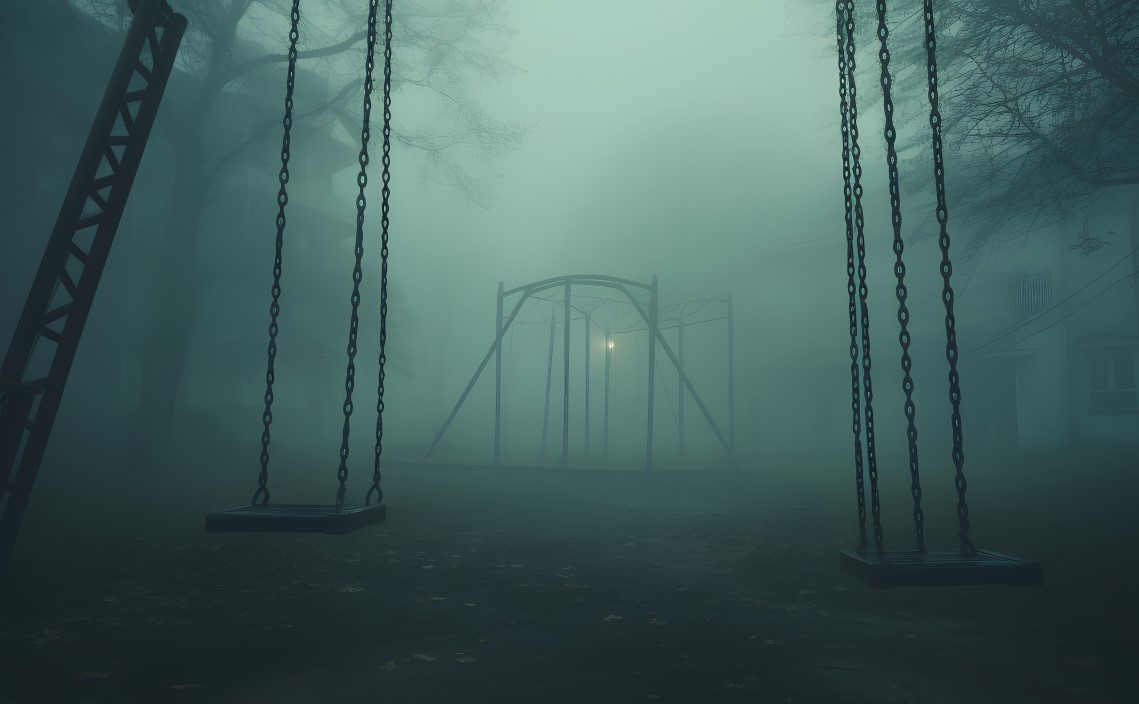
The Groundbreaking Formula of Silent Hill Games When people talk about survival horror, one name keeps coming back – Silent Hill. This series didn’t just scare players. It got inside their heads. Unlike jump-scare-heavy titles, Silent Hill games used psychological horror to twist reality. Instead of cheap frights, they built dread. You didn’t fear what you saw – you feared what might be waiting in the fog. Let’s look at how Silent Hill games changed the survival horror formula and why they still matter today. Silent Hill 1 and Its Impact Back in 1999, the first Silent Hill game hit the PlayStation. It looked rough, but it did one thing very well – it scared the soul. While other horror titles relied on zombies or gore, Silent Hill 1 focused on atmosphere. The fog, the radio static, the shadows, it all added to the fear. The game introduced themes of loss, guilt, and trauma. The town of Silent Hill wasn’t just creepy – it was alive. It reacted to your character’s past. Every monster had meaning. That’s why this game stood out. It wasn’t just about surviving. It was about facing your inner demons. Silent Hill 2 Took It Even Further If Silent Hill 1 was the start, Silent Hill 2 was the masterpiece. It arrived in 2001 and changed the game forever. The story followed James Sunderland, a man searching for his dead wife. Sounds simple? It’s not. The deeper you go, the darker it gets. Every part of the game connects to James’s guilt. The fog grows heavier. The monsters get worse. The iconic Pyramid Head is not just a boss; he’s punishment, literally. Players weren’t just scared. They were emotionally drained. The Silent Hill 2 remake had fans on edge just like the original game. They’ve got that same haunting feeling again. Will it hit the mark? Only time will tell. Silent Hill 3 – A Direct, Disturbing Sequel Then came Silent Hill 3. This time, you play Heather – Harry Mason’s daughter. It’s a direct sequel to the original. But it’s far more twisted. Think blood-soaked walls and pulsating floors. You’re not just scared for Heather. You start to feel her confusion and anger. The visuals were ahead of their time. The sound design still haunts players. It mixed classic horror with themes of religious cults and body horror. And again, monsters reflected the character’s emotional state. That’s the secret of Silent Hill games – they’re mirrors of the mind. Silent Hill 4 – The Room That Broke the Mold Silent Hill 4 took risks. It dropped you in a single apartment, then let the madness grow. Henry can’t leave his room. Strange things start happening. Portals open. The outside world becomes a nightmare. This game blurred the line between safety and danger. The apartment was supposed to be your safe space. Instead, it became the scariest part. That’s how Silent Hill 4 flipped horror on its head. It taught players that there’s nowhere to hide—not even at home. Summing up, we recommend checking this table about the key differences between classic Silent Hill games. Feature Silent Hill 1 Silent Hill 2 Silent Hill 3 Silent Hill 4 Main Character Harry Mason James Sunderland Heather Mason Henry Townshend Primary Theme Lost child, mystery Guilt and grief Identity, revenge Isolation, possession Release Year 1999 2001 2003 2004 Notable Mechanic Fog and radio static Psychological monsters Nightmare transitions Apartment as a hub world Fan Rating (out of 10) 8.5 9.5 8.2 7.9 Why Silent Hill Games Still Matter: They Focus on Psychology, Not Just Scares. Monsters in Silent Hill games have meaning. They show you things about the character—not just things to shoot. Every Game Feels Personal. You don’t just play them. You feel them. They mess with your emotions and beliefs. Inspired The Production of Other Survival Horror Games. Titles like The Medium, Alan Wake, and Layers of Fear all owe a debt to Silent Hill. Changed Player Expectations. It wasn’t about shooting. It was about surviving your own mind. Return to Silent Hill – A New Wave of Fear Horror fans are buzzing about Return to Silent Hill, the upcoming film inspired by Silent Hill 2. It’s set to bring back the psychological horror that made the series great. The movie promises a faithful recreation of James’s emotional descent. If done right, it might help push Silent Hill remake projects into the spotlight. Fans crave that classic tension again, the slow build, the silent streets, the hidden guilt. Even newer fans are revisiting old titles. Many are searching for the Silent Hill 2 remake review before trying the old versions. That’s the power of storytelling done right. Sneaky Tip for Horror Fans If you’re a horror fan who also loves deals, keep your eyes open for seasonal codes. Some players mention things like Richard Casino promo code, floating around horror forums. Who knows? It might help you pass the time between game releases. From Console to Cinema – Silent Hill Revelation Let’s talk about Silent Hill Revelation, the second film in the franchise. While it had mixed reviews, it stayed close to Silent Hill 3. Heather’s story, twisted visuals, and religious themes were there. It brought fans back to the fog, even if the execution wasn’t perfect. Movies based on games rarely work, but Silent Hill tried. The films didn’t match the games’ depth, but they kept the name alive. They sparked curiosity among new fans. And now, with remakes and new films coming, that spark is back. Why Do Players Keep Coming Back to Silent Hill Games? Let’s be honest. These titles are not as easy as Roblox horror games. They’re slow, weird, and often confusing. But that’s exactly why we love them. They don’t hold your hand or explain everything. They just throw you into darkness and let your fear do the rest. Playing Silent Hill games like the recently installed one called “Silent Hill f” feels like dreaming with your eyes open.

WoW: The War Within and Boosting in 2025
The Updates of WoW: The War Within and Boosting Services The War Within (TWW) keeps World of Warcraft fresh in 2025 — new systems land. Dungeons rotate. Raids shift. Players return after breaks. Many folks jump in excitedly, then hit a wall. Group finder turns into a coin flip. Schedules clash with raid nights. Alts pile up without gear. If that sounds familiar, you’re not alone. Plenty of players now look for the best WoW boosting service options that respect their time and help them clear content without drama. Below, we’ll break down why people ask for help, what a WoW boost looks like in The War Within, how to choose a trustworthy service, and how to get the most value from it. WoW: The War Within in 2025 — What Real Players Face TWW mixes returning systems with new twists. You see Mythic+ keys with shifting dungeons and affixes. You see a current raid tier that requires precise execution. You see Delves and outdoor objectives that still eat hours. Then there are Hero Talents and class updates that change rotations and priorities. Veterans adapt fast. Everyone else needs a path that fits a busy life. That’s where the right help makes a difference. Why Players Look for WoW Boosting in TWW 1) PUG roulette burns you out Pick-up groups can work. They also collapse after one wipe. Players leave mid-run. Leaders raise item-level demands. You wait in queues, then someone insists on a perfect M+ score. The night ends with no progress. How a boost helps: A reliable carry team shows up ready. They bring a steady route, a clear plan, and roles that complement your class. You get structure instead of chaos, lessons instead of finger-pointing, and a finished dungeon or raid instead of another abandoned attempt. 2) Real-life schedules don’t match raid times Work runs late. Family time matters. Your friends raid at hours you can’t do. That mismatch blocks gear, vault slots, and achievements. You log in, stare at the finder, and log off. How a boost helps: Top teams schedule around you. You book a clear time slot. The group starts on time and plays through the plan. You walk away with kills, loot chances, and vault progress—without rearranging your week. 3) New systems widen the learning curve Hero Talents change builds. Trinkets alter rotations. Boss mechanics stack fast. Without context, you feel lost. Guides help, yet many players want live feedback inside the pull. How a boost helps: A strong boosting team plays beside you. They call mechanics, mark priorities, and explain mistakes in real time. You learn while you clear. Next time, you perform better because you’ve seen each boss with coaching. 4) Gear, score, and achievement gatekeeping Leaders demand high item level and recent achievements. That’s fair for their runs, but it locks out returning or alt characters. New mains sit in queue limbo. How a boost helps: A carry clears the bar fast. You secure weekly vault options, grab key trinkets, and check off milestones like AOTC or KSM/KSH, which open more doors with normal groups later. You move from “underqualified” to “ready” the same week. How the Best WoW Boost Service Helps You Win The good ones build around five pillars: Self-play first. You play your own character the entire time. That keeps your account safe and builds real skill. Coaching baked in. Shot-calls and quick tips during pulls. You learn mechanics, routes, and timings as you go. Consistent rosters. The same tank, healer, and core DPS show up. That stability makes Mythic+ paths and raid cycles smooth. Clear scheduling. Calendar invites, punctual starts, and realistic time windows. No surprise cancellations. Progress-based goals. “X bosses on Heroic,” “a timed +X key,” or “vault slots done.” You pay for outcomes, not vague attempts. The following table shows common TWW pain points and time-saving boost solutions you may use. Player Pain (TWW 2025) What It Looks Like Boost Solution What You Get Time Saved (Roughly Estimated) PUG disbands Group quits after first wipe Fixed roster with plan Full clear or timed key 2–4 hours Schedule mismatch Can’t raid on guild nights On-demand booking Boss kills + vault progress 3–6 hours Learning curve New talents and routes Live coaching in-run Faster mastery + confidence Weeks of trial/error Gatekeeping “Link AOTC” or “ilvl too low” Achievement + gear path AOTC/KSM and better invites Entire season’s stalls Choose a Trustworthy World of Warcraft Boosting Team You don’t want risk. You want results. Use this quick checklist to pick a provider that respects Blizzard’s rules and your time. Criteria Why It Matters What to Look For Self-play only Protects your account and progress You play your character from start to finish Clear scope Prevents confusion and upsells Exact bosses, key level, or rating target Stable teams Fewer fails and faster clears Named roster or proof of consistent runs Punctuality Runs start on time Calendar invite and contact point Coaching style Turns time into learning Calm callouts, short debriefs, simple tips Safety stance Avoids ToS trouble No account sharing; transparent process Important notice: Never share your account! Stick to self-play runs. Focus on learning and progress you can repeat. Step-by-Step: Book a Mythic+ Carry or Raid Carry Without Wasting Time Define the target. Pick the key level, specific bosses, or the achievement you want this week. Check your character. Gem, enchant, and stock consumables. A prepared character performs better and gets more loot chances. Pick the time. Choose a slot that you can fully commit to. Start fresh, hydrated, and focused. Join the run. Listen to quick callouts. Ask short questions between pulls. Keep moving; momentum matters. Review the results. Note trouble spots. Save macros or weak aura tips you learned. Plan your next goal while the details stay fresh. What Package Fits You – Fast Matches for Common Goals Fresh returner: Go for a vault-focused bundle (one raid wing + a few M+ keys). You set up weekly rewards with a single night of play. AOTC chaser: Aim for a

Exploring The Last of Us Part 3 Facts and Insights
Do We Still Wait for The Last of Us Part 3? Folks, it’s that time again – let’s talk about the possible chances of getting The Last of Us Part 3 any time soon. The Last of Us Day came and went on September 26, with Naughty Dog serving up remastered replays and HBO’s TLOU Season 2 trailers that had us all misty-eyed over Joel’s ghost. There was no big reveal on Part 3 on this day or during October’s State of Play, though. Just enough smoke to choke on. But that’s us, right? Scavenging hope from the scraps, insights, and rumors spread all over Reddit, X, Discord, etc. Why are we still into The Last of Us games after all these years? The first game was released in 2013, with the follow-up release of Part II in 2020. It’s been 5 years already. So, why? This saga creeps under your skin. Deeper than any spore. Tales of fractured families, quiet kindnesses in the chaos. Remind us of those English paper writers back in the old world, poring over books for the why behind the wound. TLOU does it with grit and grace – Ellie’s smirk hiding storms, Abby’s fists hiding fears. But what about The Last of Us Part 3? It’s the horizon we’re all squinting at. Will it rise? Or fade like a bad dream? The Wire Reports – Actual Facts About The Last of Us Part 3 Development Let’s start with the Naughty Dog’s founder. Neil Druckmann has recently laid cards on the table during the September Variety chat. After the release of Part II, the team started to work at the development of Part 3. High on that raw revenge ride, sketching Ellie’s next stumble. However, Sony had other plans and decided to release Intergalactic: The Heretic Prophet before the TLOU Part 3. That space saga’s sucking oxygen now, with Druckmann bowing out of HBO Season 3 directing to keep his head in the code. He didn’t shut the door. “There’s more stuff happening in The Last of Us world that has not been announced,” he said. Fans parsed it like starved. Then, late September, a new Druckmann’s X account bio update hit – shadowy sketches, cryptic captions. “New project” in the bio vibes thick as fog. Did he mean The Last of Us Part 3? Or a curveball? The Last of Us Day streamed strongly: community art, lore speculations, but there was no trilogy tease. Just like the echoes of Ellie’s guitar, faint and far. When can we get the news about the possible release date of The Last of Part 3? Early 2027 or later? Naughty Dog’s cooking is slow. We’ve waited before, and we’ll wait again. Previously, the wait whets the want. At least, we can see such tendencies on Reddit, Discord, and X. Speculations About The Last of Us Part 3 Release and Lore Redemption’s the rumble. That slow thaw from freeze to fire in a world iced over. After the Part 2 finale, Ellie’s left a husk after the aquarium’s end – fingers filed short, tunes turned tombstone. Fans would like to see her rise: not an avenger, but an anchor, just like the rise of Aloy in Horizon: The Forbidden West. Spotting a young immune-all – all spark and shakes – and stepping into Joel’s worn boots could become an interesting trope. Mentoring with mercy to find a new reason to go on. Abby’s arc aches too. Part II peeled her like an onion – layers of loss, loyalty’s lash. They could continue a forced fold with Ellie. Not friends over fence posts. Grudging guards against a greater growl. Imagine the splintered WLF holdouts twisting immunes into weapons. Or labs lurking in the Rockies, needles hungry for cures. There are many fan theories and hints found in HBO’s show. Naughty Dog has always been quite subtle about the game’s story before the release of their games. Though it still gives us the right to speculate about the possible plot twists and lore settings. Part 3 could fan those fan-fueled flames or snuff them softly. Major Fan Theories about The Last of Us Part 3 Ellie’s Echo Chamber. She stumbles on a sprite—immune urchin, all spit and spark. Mentors them fiercely, but Joel’s fibs fester. Does she shield with truth, or shade with silence? Cycle crusher or copycat? Abby And Ellie’s Uneasy Entente. Abby washes up wounded, WLF whispers luring her to Ellie’s haunt. Common curse – a Cordyceps cult cooking cures – coerces coop. Barbs barter into bonds, betrayal’s breath hot on necks. Bite-Back Bombshell. Immunity’s inheritance? New not-bloomers breed buzz – faction farms them for fungal fixes. Ellie raids, Abby reinforces. But the “cure” corrupts, costing kin. Hope’s hook yanked hard. Possible Gameplay Shift in TLOU Part III The grind is where TLOU thrived during the previous games. Creep and clash, every corner a confession. But in The Last of Us Part 3, the gameplay mechanics can change. Whispers of wider wilds. Not borderless badlands – Naughty Dog scorns sprawl for show’s sake. But breathing belts: overgrown orchards heavy with hidden hurts, flooded flats flashing old flags. Roam rewards: rifle through relics for recipes of the ruined, rig paths from precarious perches. Skirmishes sharpen. Stealth’s subtle song lingers – vents for vanish, lures for lies. But bites should become bigger: infected intuiting intents, swarms syncing like storm clouds. And what about humans? Hive minds of hurt – patrols probing with probes, factions forcing forks. The heavy focus on melee is also expected. Co-op should also be added, though we have had such expectations for too long to make it real. But let’s just dream it: duo drifts through dusk, Ellie evading echoes while Abby avalanches ahead. In addition, it would be nice to see the multiplayer mode in The Last of Us Part 3, though Factions has been cancelled eventually. The path was forged fresh – maps mined from memory and multiplayer modes mashing man and monster could

Rivers of Blood in Elden Ring – How to Use the Ultimate Katana
Why Is Rivers of Blood in Elden Ring So Popular Among Katana Users? Hello, fellow Tarnished players. Imagine the common situation while beating the NG+17 on your favorite Elden Ring save – somewhere in the frozen wastes of the Mountaintops of the Giants. Snow whips at your face. A red phantom lunges from the mist, katana flashing like a comet’s tail. One Corpse Piler later, and your foe’s a fountain of crimson, health bar evaporating in a haze of blood loss. That’s the Rivers of Blood in action. Rivers of Blood in Elden Ring is like a symphony of slaughter. Since Elden Ring dropped back in 2022, this mega-powerful katana has haunted player dreams and boss nightmares. Recently, it has been nerfed, but it still deals a significant amount of damage, even in endgame content and DLC. We love this game so much and decided to take a closer look at the Rivers of Blood katana. Reasons to Choose the Rivers of Blood in Elden Ring Surely, like any other weapon in FromSoftware’s RPG game, Rivers of Blood won’t be a perfect choice for all non-magical builds. If you intend to roleplay as a ronin in the game, then consider taking this weapon. Rivers of Blood works like a conductor. Its passive blood loss buildup clocks in at 50 – solid, not sky-high, but the real magic’s in the delivery. Light attacks chain smoothly, each slash layering hemorrhage like frost on a windowpane. Bosses with fat health pools crumple thanks to this baby. First off, there is a powerful passive skill. Corpse Piler in Rivers of Blood isn’t just another Ash of War option – it’s the soul of this katana. Press the trigger and unleash a flurry of fiery arcs, each hit dripping flame and fresh blood. The range is deceptive since it hits mid-distance foes without closing gaps. And what about the FP cost? Steep at 17, but pair it right, and you’re a stamina-sipping specter. Post-nerf, it lost some poise break, but in PvE fights, it still tears through. You can melt the Fire Giant with this katana in under two minutes. Versatility seals the deal. It works like a dual-wield with another katana, like Nagakiba, for twin bleed storms. Or off-hand a seal for arcane incant zaps. It’s not locked to one path. The lore of this weapon is also interesting to dive in. Okina’s cursed edge, tempting Mohg with demonic thirst. Wield it, feel the pull. It’s thematic catnip for samurai cosplayers. There are also downsides to consider when you pick Rivers of Blood in Elden Ring. It is a late-game grab with immense rewards but still it won’t do for most players. The elemental weakness to exploit – just raw, universal pain. If your build’s stalled, this katana revs the engine. Summing up, the reasons behind using Rivers of Blood in Elden Ring include: Boss-Buster Supreme. Procs hemorrhage faster than most, turning marathons into massacres. Mohg, ironically, hates facing his own medicine. PvP Phantom. Invaders dread the red glow. Corpse Piler punishes rolls, stacks bleed mid-duel. Build Flex. Scales across Dex/Arcane, adapts to hybrids. No full respec needed. Aesthetic Apex. Curved steel, blood-red sheen. Pair with White Mask? You’re a gore poet. Endgame Edge. Post-patch, it’s balanced—not broken. Earns wins through skill, not cheese. Do not forget to check the Reddit discussion about the pros and cons related to Rivers of Blood in Elden Ring. How to Get Rivers of Blood in Elden Ring? Rivers of Blood katana in Elden Ring is tucked in the chill heart of the Mountaintops of the Giants. It is a late-game location, post-Leyndell. You should already have burned the Erdtree’s shadow and claimed the Rold Medallion. Now, go to the north to the giants’ domain through endless snowfields. But despite all the obstacles and fierce enemies pushing south from the Great Lift of Rold, skirt Castle Sol’s siege, and spot it – Church of Repose. It is a humble ruin, cradled by cliffs. Carefully approach the altar. Wind howls and then – red sigil flares. Bloody Finger Okina invades. He’s no pushover. Wields the katana you’re after, masks his face in malice. Sweeping arcs, quicksteps, bleed on tap. Stay mid-range and bait his lunges. Parry if bold – his recovery’s greedy. Dodge left, roll through, punish with heavies. Down him, and loot his drops – the claimed Rivers of Blood katana and Okina Mask that gives +3 Dex boost. Warning – looting this katana is time-sensitive. If you kill the Fire Giant first before Okina ghosts, then say goodbye to Rivers of Blood in Elden Ring. So, follow this sequence to have the Rivers of Blood katana: Grab the weapon, then do the giant’s slay. If you’re early-game itching, proxy with Uchigatana from Deathtouched Catacombs. The Samurai class starts packed. Bridges the gap till you claim the real deal. The professional tip – for upgrades, use only Smithing Stones. Hunt them in Yelough Anix or Stargazers’ Ruins. Max +10 for peak scaling – Dex to B, fire damage soaring to 186. No Ashes of War swaps. Such stones will help to upgrade and create the builds. Getting the Best Build for Rivers of Blood in Elden Ring Builds are like Elden Ring’s love language. Stats dance with gear, birthing monstrosities. Rivers of Blood begs for bleed symphonies – Dex for slices, Arcane for status spikes: Start with classes. Samurai’s your best choice. Comes with Uchigatana, Longbow, and Land of Reeds armor. Dex/End focus eases the pivot. Bandit works too – Arcane innate, rogue flair. The Warrior is solid neutral. Avoid mages since this katana won’t beat the spells. Aim level 150 for endgame balance. That’s the NG+ sweet spot. It is the Sanguine Samurai blueprint, honed from countless runs. It’s not gospel – tweak for taste – but it turns you into a whirlwind of woe. Pump Vigor first to carry this katana without problems. Mind at 30 keeps Corpse Piler flowing sans pots. Boost Endurance up

How Esports Betting Fuels the Gaming Ecosystem?
Esports Betting Changes for Good and It’s Great Most esports fans became knee-deep in the world of professional esports since the first CS: GO skin trade back in 2012. We’ve watched it evolve from dorm-room dreams to sold-out stadiums. And let us tell you, esports betting isn’t just spectators slapping down coins on a hunch. It’s the rocket fuel propelling the gaming ecosystem forward. From funding underdog teams to sparking fan forums into heated debates, it’s weaving deeper ties between players, devs, and the armchair analysts like our team. If you’re new to placing bets on that next Valorant round, resources like jaxon.gg/gambling can guide you through the basics without the overwhelm. We would humbly review the trends in esports betting that are worth following. But why does it matter? Esports isn’t static. It’s a living beast, fed by revenue streams that betting dominates. In 2025 alone, the global esports betting market is set to rake in $2.8 billion. That’s more than half the industry’s total haul, outpacing sponsorships and merch. It’s not hype. It’s hard numbers from Statista, showing a steady climb with a 5.47% CAGR through 2029. Think about it. Every time you cheer a headshot or groan at a missed ultimate move, someone’s wager is helping bankroll the next big tourney. Esports Betting as the Gaming Ecosystem’s Lifeblood – Numbers Do Not Lie Esports thrives on spectacle. But spectacle costs a lot. Arenas don’t fill themselves. LoL, Overwatch, and Dota 2 servers don’t scale on goodwill. Here is when esports betting comes – the quiet powerhouse turning viewer passion into cold, hard funding. Start with the basics. Traditional sports like soccer or basketball have deep-pocketed leagues. But what about esports? It’s scrappier. Born in small clubs and then slowly scaled on Twitch streams. Betting flips that script. It channels fan energy straight into the coffers. Take Riot Games, for example. In 2025, they announced broader betting sponsorships to swell League of Legends prize pools and spawn fresh tournaments. That’s not fluff. It’s millions funneled to pros who might otherwise grind 9-to-5s. Why does this work? Bettors crave action. They pour cash into matches, inflating the handle – the total wagered. In 2024, global esports betting hit $2.5 billion in revenue, with over 74 million folks joining the fray online. That’s a leap from pre-pandemic dips. And it’s not slowing. Some analysts peg the market at $16 billion by 2030. But let’s break it down. Betting revenue splits three ways: to bookies, regulators, and back to gaming orgs. Do you remember the latest Valorant Champions Tour? Esports betting spiked during its runs, drawing sponsors who see the buzz. The result was smoother streams, fancier overlays, and events that feel Olympic-scale. It is worth checking the esports betting revenue in comparison across 2023, 2025 and up to the predictions for 2026. Year Esports Betting Revenue (USD Billion) Total Esports Revenue (USD Billion) Betting’s Share (%) 2023 2.1 1.4 50 2024 2.5 1.54 51 2025 2.8 1.79 58 2026 3.0 2.0 60 In short, esports betting is the unsung hero of the current video gaming industry. It just doesn’t steal the spotlight. It builds the stage. Esports Betting’s Grip on Fan Hearts Let’s focus on other things except esports betting revenue. Money’s great, but esports pulses with a fan’s heart – those nail-biting clutches, the trash-talk echoes. Fans aren’t passive anymore. They’re in the mix. Is a new wager on your favorite Overwatch tank turning the tide? That’s skin in the game. Literally, it transforms couch surfing into edge-of-your-seat stakes. Some studies show bettors watch 30% more hours, chat more in Discord channels. Why does it happen? Accountability. Your pick roots deeper. This vibe spills everywhere. Tournaments swell. Take CS2 majors. Betting odds spike pre-event, pulling casuals who stick around post-payout. And what are the results? The viewership booms. Esports Insider notes that LoL and CS2 are leading the charge, with odds surges during Worlds or BLAST. However, this is how it happens exactly: Deeper Engagement Loops. Bets tie you to micro-moments. Not just “who wins”, but “first blood” or “dragon steals”. It mirrors the game’s rhythm, keeping you glued. Social Glue. Forums light up with picks. “My parlay’s busted—your fault for jinxing!” Banter builds tribes, turning solo queues into squad vibes. Accessibility Boost. Mobile apps let you bet mid-stream. No desk needed. That’s huge for Gen Z, who make up 60% of bettors. Communities flourish, too. Esports betting sites host prediction leagues, being a free-entry fun. Winners snag skins or shoutouts. It’s a low-stakes entry to high-reward bonds. And for orgs like FaZe or TSM? That loyalty translates to merch sales and sub trains. One under-the-radar perk – esports betting legitimizes the scene. Old-school sports fans scoff at “just video games”? Show them the $2.8B betting haul. Sponsors bite – think energy drinks, peripherals. That cash circles back, funding diversity initiatives or women’s leagues. Yet, it’s not all smooth. Overhype can sour. Esports betting’s the catalyst, turning viewers into vested storytellers. The ecosystem breathes because we care fiercely. Esports Betting Benefits: Prize Pool Swells. Direct cash infusions mean fatter checks. Top earners hit seven figures, per Esports Earnings data. That’s stability in a volatile gig. Exposure Multiplier. High-odds matches draw scouts. Betting buzz spotlights underdogs, landing sponsorships or roster spots. Skill Feedback. Public odds reflect meta shifts. Pros tweak strats accordingly, staying apex predators. Betting Also Births Stars. Do you remember s1mple in CS? Betting hype vaulted him from obscurity. Now he has the esports legend status. It democratizes fame – your dark horse pick could be tomorrow’s icon. How to Become an Esports Betting Expert? Esports betting’s no panacea. It’s a double-edged sword – sharp, but it cuts. Addiction lurks – it is a downside. Impulse bets can drain wallets. Esports’ youth skew – average bettor’s 24 – amps vulnerability. That is why, for newbies, smart plays matter: Bankroll Basics. Set a limit. Never chase losses. Treat it like buying a skin pack – fun, not fortune.

Special Astro Bot Controller Tweaks and Limited Editions
What Makes the Astro Bot Controller Options So Special? As we barrel toward the fall frenzy of 2025, all eyes are on the Astro Bot controller coming soon. This pint-sized platformer isn’t just a love letter to PlayStation’s golden era; it’s a full-on fireworks show for the PS5’s DualSense controller. Forget button-mashing marathons. We’re talking a gadget that hums, squeezes, and whispers right into your palms. With DualSense, Astro Bot’s every hop, skip, and spaceship dodge turns into a full-body thrill. But wait, there’s more. Sony didn’t stop at the stock DualSense tweaks for Astro Bot. They dropped a limited-edition beast – the Astro Bot Controller Joyful Limited Edition. It’s like if your favorite childhood toy got a cyberpunk makeover and learned to vibrate with intent. We’ll unpack how the DualSense’s tricks supercharge Astro Bot’s whimsy, gawk at that special controller’s eye-candy design. You will be whipped, just like we were. The Use of DualSense Controller in Astro Bot – From Gamepad to Game Whisperer So, a typical scenario – you’re knee-deep in Astro Bot’s candy-colored chaos. Astro, that plucky little bot with eyes bigger than his bravado, is scampering across a jungle of forgotten PS relics. One wrong leap, and boom – the Astro Bot controller in hand, you feel the squish of alien moss under the treads. That’s the DualSense at work. This thing’s haptic feedback is like a sneaky masseuse, kneading sensations straight from the screen. Launched with the PS5 back in 2020, the DualSense was already a rebel. But Astro Bot – dropping hot on shelves this September – treats it like a co-star. Team Asobi, the devs behind this gem, didn’t just slap on rumble packs. They wove the controller into the game’s soul. Every fizz, pop, and plod gets a tactile echo. Haptics That Hit Different Did we have an advanced haptic feedback? Yeah, it’s the DualSense’s secret sauce. Tiny motors in the grips pulse with precision, mimicking the Astro Bot’s world’s quirks. Astro’s tiptoeing through a foggy ruin, and your hands catch the misty hush. It is like a soft, diffused thrum; you feel like the fog is rolling over your fingertips. Then Astro belly-flops onto a bouncy pad and you feel the sharp, spreading jolt that ripples up your arms. It’s not just feedback – it’s storytelling through the skin on your hands. Triggers That Fight Back The L2 and R2 triggers don’t just click when you push – they resist, like rubber bands with attitude. Tension builds or eases based on what’s happening on-screen. Pure genius for a game like Astro Bot, where piloting is half the fun. Hop into Astro’s shuttle for a zero-G jaunt. Triggers clamp down, fighting your pull like thrusters straining against gravity. When you weave through asteroid fields, that resistance spikes, mirroring the dodge’s desperation; it’s visceral. Your fingers ache just a tad, echoing the ship’s strain. No spoilers, but that mid-game chase goes full throttle thanks to the triggers going full lockdown. In Astro Bot, DualSense says, “You’re not watching the game – you’re in it”. Imagine having something like that in the upcoming Persona 6 or The Last of Us III. Shake, Rattle, and Tilt DualSense packs gyro and accelerometer like magic. Tilt it, and worlds bend. Astro Bot laps this up like a kitten with cream. Forget sticks – you may cradle the Astro Bot controller like a rudder. Gentle leans bank Astro’s wings and sharp twists barrel-roll through hoops. It’s analog bliss. A whisper of wrist sends Astro soaring smoothly. Puzzles get playful too – shake to dislodge stuck bots, nod to scan horizons. One level had us hovering over a neon abyss, the controller humming as we balanced on invisible winds. Felt like cheating physics. Motion nails those hair’s-breadth ledges where sticks fumble. Additionally, it’s a workout for your gamer gut. Hours fly, but your arms buzz with purpose. DualSense turns you from couch potato to aerial ace. Touchpad Glow-Up In Astro Bot, it’s Astro’s peepers always staring back – big, googly, full of mischief. Swipes and taps unlock secrets: quick maps, gadget swaps, even cheeky emotes. It’s not core control, but it sprinkles flair. Having the matte black base, those eyes pop in glossy white. Tap them, and they wink in spirit. Ties the plastic to the pixel. Feels personal, like Astro’s high-fiving your thumbs. Sound and Speak The built-in microphone and speaker in DualSense literally whisper and scream when it is appropriate. There is no fumbling for earbuds at any point. The speaker murmurs ghostly echoes while the TV booms the roar. DualSense makes sound in Astro Bot a surround hug. Grip It and Forget Marathons matter in Astro Bot, especially after adding new challenges. DualSense’s curves cradle like old sneakers – comfy and grippy. Textured backs nix sweat-slips. Balanced weight means no wrist whiplash after hours. Silky buttons and responsive sticks – the Astro Bot controller lets you roam without regret. Summing Up – Major Astro Bot Controller Tweaks and Special Options Astro Bot is one of the greatest exclusive titles to release on the PlayStation console since 2020. One of the reasons behind such success is the support of unique features and creative uses of the DualSense controller. Here is how you can creatively use the DualSense controller in Astro Bot on PS5: Tilt your controller to fly on the themed ship during one of the in-game missions. Get full control over the movement and speed of your flight using the seamless motion controls in DualSense. Another use of motion controls is the monkey climbing backpack used a couple of times throughout the game. Aim more accurately at turrets with the DualSense controller in Astro Bot to prevent their projectiles from hitting Astro. Check how cool is Astro Bot controller’s lights are during different missions. Subtle light bars on the touchpad of the DualSense often change color to match the atmosphere on the screen. Play with the collected bots. At some point, they will jump into