The Groundbreaking Formula of Silent Hill Games
When people talk about survival horror, one name keeps coming back – Silent Hill. This series didn’t just scare players. It got inside their heads. Unlike jump-scare-heavy titles, Silent Hill games used psychological horror to twist reality. Instead of cheap frights, they built dread. You didn’t fear what you saw – you feared what might be waiting in the fog. Let’s look at how Silent Hill games changed the survival horror formula and why they still matter today.
Silent Hill 1 and Its Impact
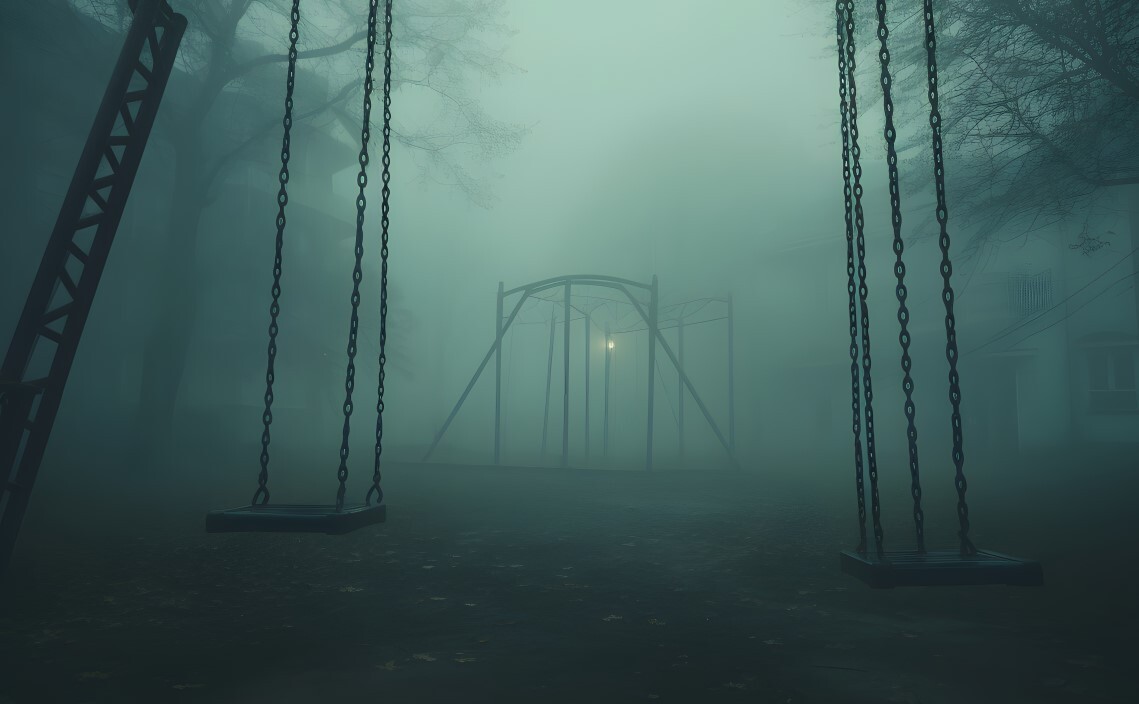
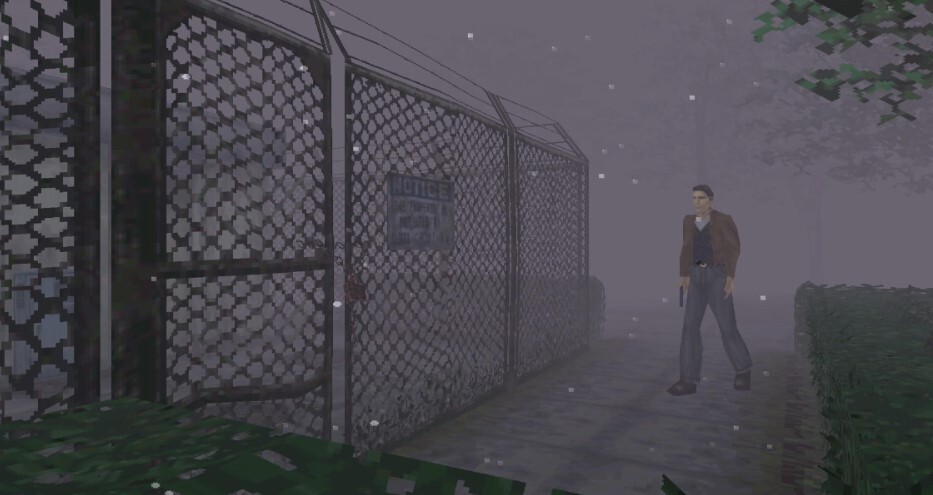
Back in 1999, the first Silent Hill game hit the PlayStation. It looked rough, but it did one thing very well – it scared the soul. While other horror titles relied on zombies or gore, Silent Hill 1 focused on atmosphere. The fog, the radio static, the shadows, it all added to the fear.
The game introduced themes of loss, guilt, and trauma. The town of Silent Hill wasn’t just creepy – it was alive. It reacted to your character’s past. Every monster had meaning. That’s why this game stood out. It wasn’t just about surviving. It was about facing your inner demons.
Silent Hill 2 Took It Even Further
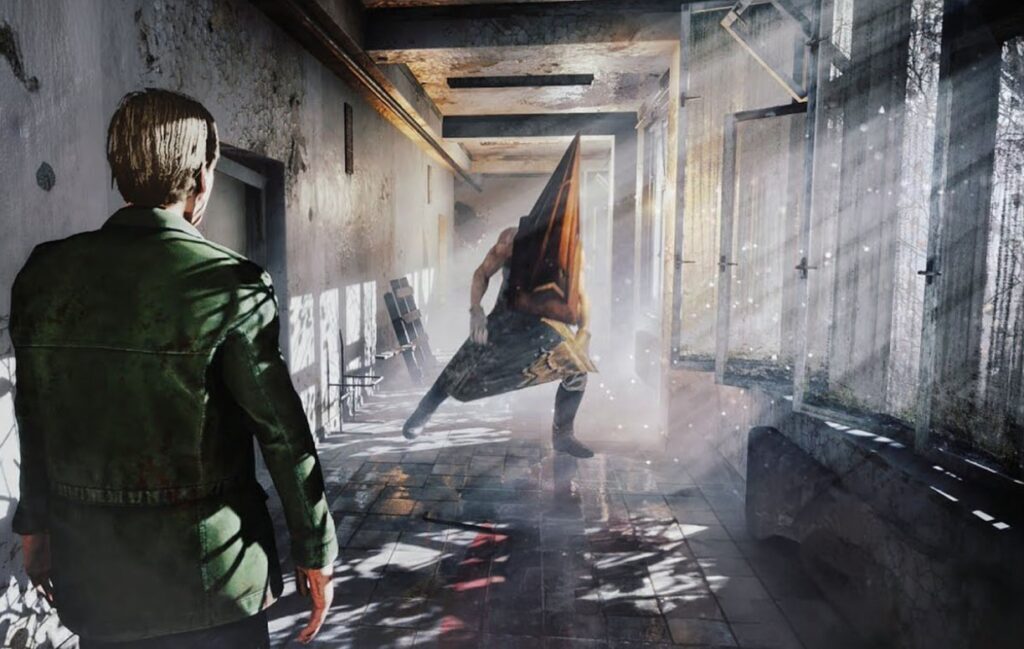
If Silent Hill 1 was the start, Silent Hill 2 was the masterpiece. It arrived in 2001 and changed the game forever. The story followed James Sunderland, a man searching for his dead wife. Sounds simple? It’s not. The deeper you go, the darker it gets.
Every part of the game connects to James’s guilt. The fog grows heavier. The monsters get worse. The iconic Pyramid Head is not just a boss; he’s punishment, literally. Players weren’t just scared. They were emotionally drained.
The Silent Hill 2 remake had fans on edge just like the original game. They’ve got that same haunting feeling again. Will it hit the mark? Only time will tell.
Silent Hill 3 – A Direct, Disturbing Sequel
Then came Silent Hill 3. This time, you play Heather – Harry Mason’s daughter. It’s a direct sequel to the original. But it’s far more twisted. Think blood-soaked walls and pulsating floors. You’re not just scared for Heather. You start to feel her confusion and anger.
The visuals were ahead of their time. The sound design still haunts players. It mixed classic horror with themes of religious cults and body horror. And again, monsters reflected the character’s emotional state. That’s the secret of Silent Hill games – they’re mirrors of the mind.
Silent Hill 4 – The Room That Broke the Mold
Silent Hill 4 took risks. It dropped you in a single apartment, then let the madness grow. Henry can’t leave his room. Strange things start happening. Portals open. The outside world becomes a nightmare. This game blurred the line between safety and danger.
The apartment was supposed to be your safe space. Instead, it became the scariest part. That’s how Silent Hill 4 flipped horror on its head. It taught players that there’s nowhere to hide—not even at home.
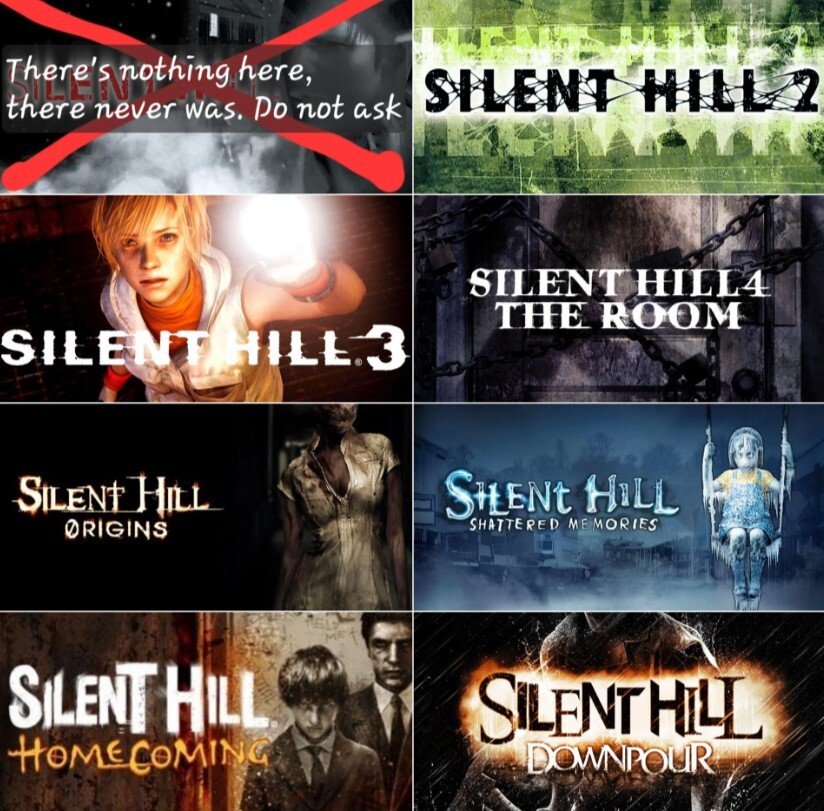
Summing up, we recommend checking this table about the key differences between classic Silent Hill games.
| Feature | Silent Hill 1 | Silent Hill 2 | Silent Hill 3 | Silent Hill 4 |
| Main Character | Harry Mason | James Sunderland | Heather Mason | Henry Townshend |
| Primary Theme | Lost child, mystery | Guilt and grief | Identity, revenge | Isolation, possession |
| Release Year | 1999 | 2001 | 2003 | 2004 |
| Notable Mechanic | Fog and radio static | Psychological monsters | Nightmare transitions | Apartment as a hub world |
| Fan Rating (out of 10) | 8.5 | 9.5 | 8.2 | 7.9 |
Why Silent Hill Games Still Matter:
- They Focus on Psychology, Not Just Scares. Monsters in Silent Hill games have meaning. They show you things about the character—not just things to shoot.
- Every Game Feels Personal. You don’t just play them. You feel them. They mess with your emotions and beliefs.
- Inspired The Production of Other Survival Horror Games. Titles like The Medium, Alan Wake, and Layers of Fear all owe a debt to Silent Hill.
- Changed Player Expectations. It wasn’t about shooting. It was about surviving your own mind.
Return to Silent Hill – A New Wave of Fear
Horror fans are buzzing about Return to Silent Hill, the upcoming film inspired by Silent Hill 2. It’s set to bring back the psychological horror that made the series great. The movie promises a faithful recreation of James’s emotional descent.
If done right, it might help push Silent Hill remake projects into the spotlight. Fans crave that classic tension again, the slow build, the silent streets, the hidden guilt.
Even newer fans are revisiting old titles. Many are searching for the Silent Hill 2 remake review before trying the old versions. That’s the power of storytelling done right.
Sneaky Tip for Horror Fans
If you’re a horror fan who also loves deals, keep your eyes open for seasonal codes. Some players mention things like Richard Casino promo code, floating around horror forums. Who knows? It might help you pass the time between game releases.
From Console to Cinema – Silent Hill Revelation
Let’s talk about Silent Hill Revelation, the second film in the franchise. While it had mixed reviews, it stayed close to Silent Hill 3. Heather’s story, twisted visuals, and religious themes were there. It brought fans back to the fog, even if the execution wasn’t perfect.
Movies based on games rarely work, but Silent Hill tried. The films didn’t match the games’ depth, but they kept the name alive. They sparked curiosity among new fans. And now, with remakes and new films coming, that spark is back.

Why Do Players Keep Coming Back to Silent Hill Games?
Let’s be honest. These titles are not as easy as Roblox horror games. They’re slow, weird, and often confusing. But that’s exactly why we love them. They don’t hold your hand or explain everything. They just throw you into darkness and let your fear do the rest.
Playing Silent Hill games like the recently installed one called “Silent Hill f” feels like dreaming with your eyes open. It’s hazy, uncomfortable, and strange. However, once you start, you can’t stop. You’re drawn to the mystery, the music, the monsters. It’s a loop and we’re all stuck in it.
How Can Silent Hill Remake Projects Succeed?
Remakes are tricky. They must respect the original while fixing old issues. Graphics help, but the heart must stay. The fear must still feel personal.
Here’s what we need from the Silent Hill remake projects:
- Let the tension build naturally. Don’t throw jump scares every five minutes.
- Don’t modernize the themes too much. Guilt, grief, trauma – these never go out of style.
If done right, these games could lead the horror genre again. Fans don’t want flash. They want fear that feels real.
Conclusion
Silent Hill games weren’t just scary, they were smart. They pushed boundaries. They showed that horror could be emotional, not just visual. From Silent Hill 1 to Silent Hill 4, the series made fear personal. Now, with the Silent Hill 2 remake and the Return to Silent Hill film on the horizon, the franchise is waking up again. And the fog is coming with it…
Please, share and add this post to your bookmarks if you’ve enjoyed reading the content on YaninaGames blog. We are also open to collaboration with fellow game devs and gamers.