Exploring Chance Elements in Gameplay and Interactive Spaces
Chance elements in gameplay add an extra layer of tension to modern games, helping players think about choices and what might happen. Randomness combined with strategy is something that makes old rules of the game new once again, and players reconsider their strategies. The balance of power and surprise ensures that games are not boring, and they give it a vibrant touch that keeps the players on their toes.
Chance or random elements appear everywhere in games – from strategy battles to loot drops in action RPGs. Unexpected moments are the order of the day in such games due to random maps, surprise events, seasonal changes, and matchmaking differences. These chance elements in gameplay interact with the clear ones, such as menus, progress paths, and system rules, to ensure that the game is not random but rather not chaotic.
In that wider landscape, adjacent environments also rely on similar blends of stability and variability. Even settings such as online casinos for real money integrate chance elements within a framework of structured features, practical systems, and predictable tools that shape how players move through the experience. These online gaming hubs provide slots, table games, and live dealer games. They are easy to navigate and have simple features. Players also get secure transactions, quick withdrawals, and numerous payment systems in addition to a vast catalog. Most of them also encourage fair play, mobile access, and friendly interfaces.
On any of these sites, luck will always influence random elements in gameplay for players and how they respond to outcomes. Players like to concentrate on the unpredictable situations that make every experience unique. In this mix of steady structure and chance elements in gameplay, deeper thinking about uncertainty starts to happen. It is all about psychology, and here is why.
How Cognitive Patterns Respond to Randomness?
Even where things appear to be random, the human mind seeks patterns. When individuals engage in video games whose rules are random, they automatically attempt to come up with a structure, a relationship, or hint that may assist them in making decisions. This instinctive searching makes gamers concentrate and enjoy that they are revealing something new, as every time they are changing the way they think.
Because randomness tests what people think is true, players improve their internal ideas about chance elements in gameplay and change what they expect in interactive games.
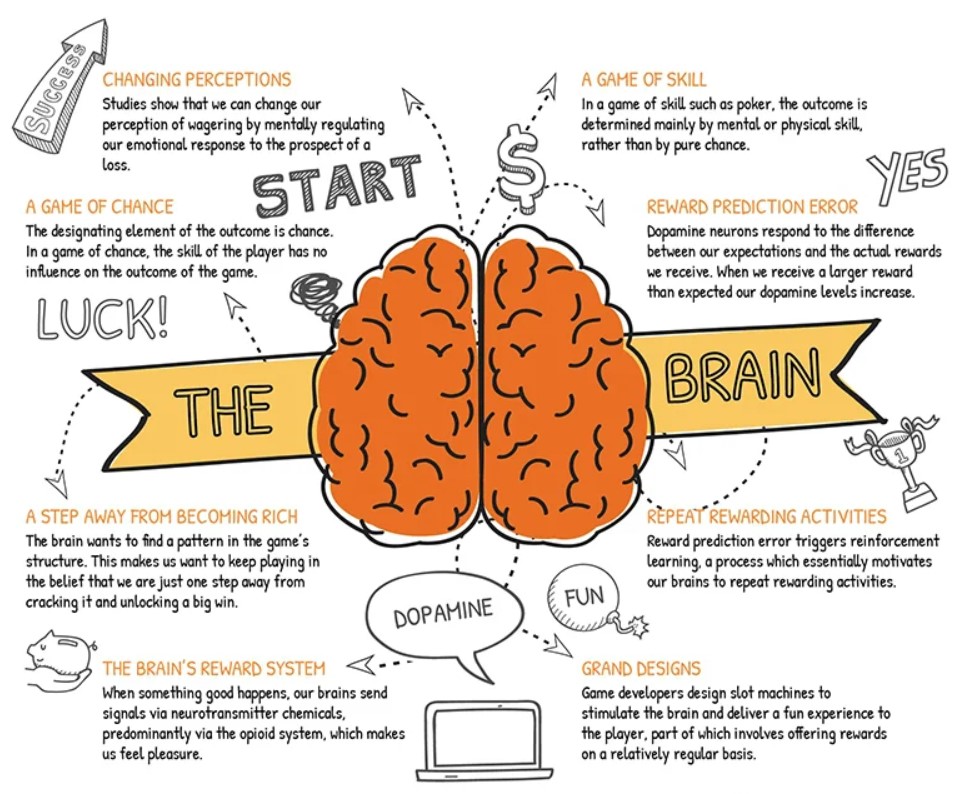
Even in the games built around collectibles or time-limited rewards (think of Pokémon games, for instance), patterns of anticipation shape how outcomes are interpreted and how strategies evolve.
Each decision counts, and it creates feedback that keeps the players on track, particularly when the outcome is near the intended result. These cases demonstrate that thinking is still important, even in random-based spaces.
Random factor also boosts the thrill of gameplay. Gamers are thrilled when they are aware of the rewards, but are unable to determine the outcome of their actions in the game. This combination of control and surprise keeps players engaged, providing some sort of tension that occurs in live gameplay with chance elements rather than set scenes.
Reward Mechanisms That Deepen Players’ Engagement
Chance elements in gameplay interact with reward pathways in ways that extend far beyond simple outcome tracking. Near misses, unexpected positive events, and random successes are the factors that cause neural reaction that is related to attention and motivation. Such reactions allow for maintaining long-term interest and promoting further research on game systems.
These psychological effects are used in most games to produce a pacing that is steady and yet alive. Random, or rather chance elements in gameplay, should be separated by time so that they build momentum without subjecting players to volatility. This stability and surprise balance determines our interpretation of rewards and encourages us to continue participating even between sessions.
Below are several factors that contribute to strong emotional resonance in chance-driven systems:
- Near-miss results that heighten attention and strengthen strategic improvement.
- Uncommon event causes that produce memorable moments and transform future anticipations.
- Variable speed that keeps things interesting without making them chaotic and disjointed.
- Probability systems that are layered and can be rewarded by experimentation and protracted involvement.
Decision-Making in Chance-Driven Environments
Randomness introduces flexible decision spaces that evolve rapidly. In case something occurs differently or the probabilities alter, individuals are forced to re-evaluate. Ordinary activities are significant decisions. This evolving state of affairs makes people think more strategically and examine numerous possible ways to play.
Due to the variability in results, players get to learn how to make better choices in terms of risk and reward. They observe patterns over time as they notice the changes and adjustments of the odds. Reminiscing about this makes them feel more part of the game world, which makes an experience influenced by plans and surprises.
The other good rules of games using luck include:
- Easy-to-understand information to assess risk.
- Explicit indications of a change of odds.
- Systems that encourage flexibility rather than inflexible plans.
- Regulations that allow players to get back on their feet when they are caught off guard without being penalized, to take a risk.
The Emotional Arc of Random Outcomes
Randomness carves emotional contours that shape the tone and tempo of digital play. When chances lean toward surprising wins or quick reversals, feelings change right away. These developments make the game more interactive as each event seems to be related to what the player does and how the system responds.
Hope grows in uncertainty. Players care emotionally because luck offers the chance for good results that feel earned through effort and cleverness. Even in cases where the results are not as high as desired, playing with changing systems enhances attachment to the persisting goals.
Social life is also enriched by chance elements and random events in gameplay. Shared reactions to random events create memorable stories when groups encounter them and create a stronger group identity. These experiences demonstrate how randomness is a unique way of influencing personal and group experiences in the interactive environment, such as video games.
How Chance Elements in Gameplay Support Long-Term Engagement?
Long play is because players continue to learn new things. Random parts ensure that every playthrough is unique. This diversity makes people come back to it, as they anticipate new events and adjust to new situations.
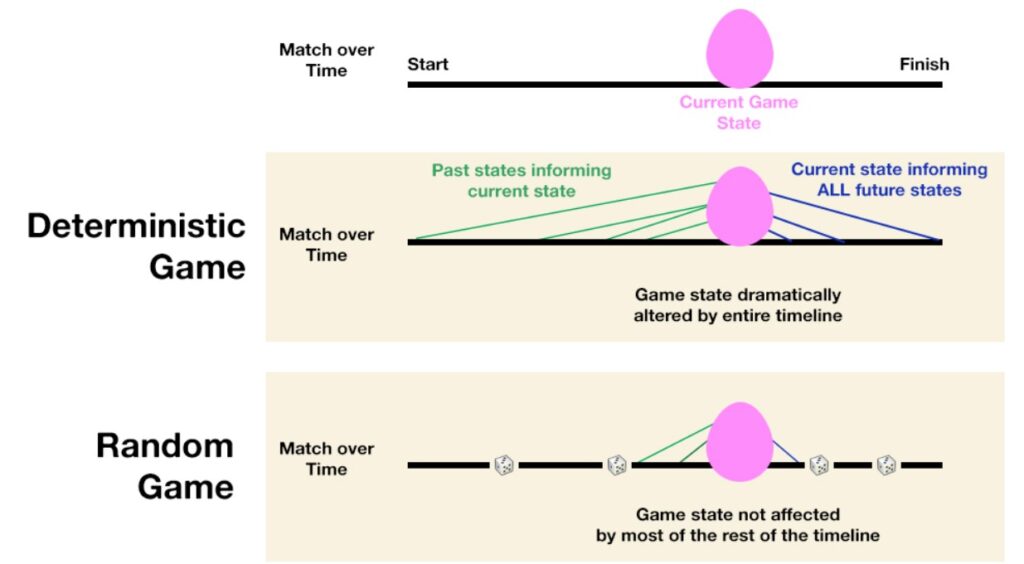
Almost any modern game has a clear structure to maintain its stability, and unexpected turns are used to make the gameplay exciting. They combine to make the game flow at a good rate that is not too complicated yet easy to follow, and allows players to develop more relationships with the worlds they visit.
The combination of predictable rules and unpredictability makes the game interesting every time. Each turn is designed to make the players experiment with new strategies, which makes the game versatile. With the emergence of new possibilities, players remain active since they are aware that the world will never cease to bring something new.
The Enduring Allure of Unpredictable Elements in Gameplay
Randomness in video games is like a beat, which makes the digital experiences vibrant and dynamic. Whenever uncertainty is combined with a plan, interactive systems apply our instincts and emotions to ensure we remain highly engaged. Players remain engaged since they do not know what to expect next at any time, and this makes the journey interesting to them throughout a number of gaming sessions.
This enduring attractiveness demonstrates how randomness appears as the unpredictable form of real life, challenging the players to encounter the changing circumstances with curiosity and strength. As long as digital worlds keep evolving, chance elements in gameplay will stay a main force that makes games more meaningful and memorable.
Every twist and turn is a new direction to play, and we notice that even the gaming systems we know best can still surprise us. This constant renewal adds emotional depth to interactive experiences and makes sure chance elements in gameplay leave a lasting impression that shapes how players remember, revisit, and connect with the worlds they play in.
You can be a vital part of our journey by adding this content to your bookmarks and sharing this post across your social media to amplify our reach. For those readers looking to create magic together, the YaninaGames team invites you to contact us directly to discuss potential creative or commercial collaborations.