Pokémon GO Minior Runs on the Real Sky’s Calendar
You cannot catch one today. That is not a bug, a server issue or bad luck – it is the design. Minior arrived in Pokémon GO on October 19 and left on October 24, and it will not come back until November 14. Between those dates it simply does not spawn, because Niantic has tied the Meteor Pokémon to six real astronomical events spread across ten months, and outside those windows the sky is closed.
That makes this one of the strangest release structures the game has ever run. Not a raid rotation, not a Community Day, not a research breakthrough. An almanac.
So this is organised as one: the calendar first, then what each window gives you, then the mechanic that makes Minior worth setting a reminder for.
| Shower | Dates | Core Colour |
|---|---|---|
| Orionids | October 19-24, 2026 | Green – debuted, now closed |
| Leonids | November 14-19, 2026 | Not yet announced |
| Geminids | December 11-16, 2026 | Two colours, split by hemisphere |
| Eta Aquariids | May 3-8, 2027 | Not yet announced |
| Southern Delta Aquariids | July 28 – August 2, 2027 | Not yet announced |
| Perseids | August 10-15, 2027 | Not yet announced |
Every window runs from 5:00 p.m. on the opening day to 11:59 p.m. on the closing day, local time.
Those are all real meteor showers, occurring at roughly those dates in the actual sky. The Orionids are debris from Halley’s Comet. The Perseids are the best-known shower of the northern summer. Niantic has built a year-long event schedule out of the solar system’s own timetable, which is a lovely idea and also a genuinely demanding one for players, because missing a window costs you months.
What the Orionids Window Actually Contained
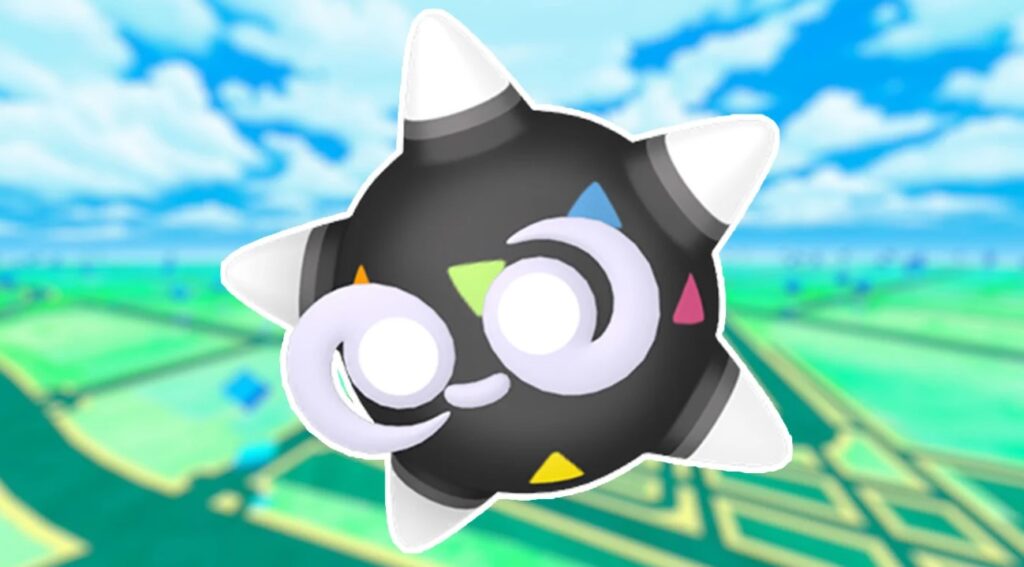
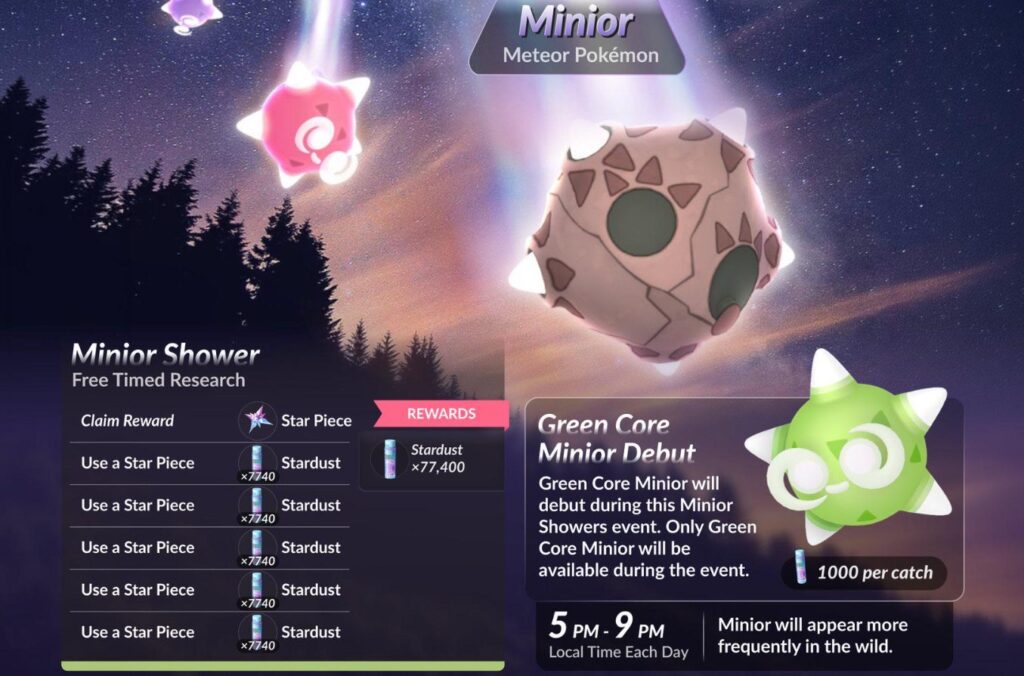
The debut has closed, but documenting it tells you what to expect from the five remaining showers. Green Core Minior made its debut. It appeared in the wild in Meteor Form – the shell state – and could be encountered across the full six days.
The Stardust economy was the headline, and it was unusually generous:
- 1,000 Stardust per catch, rising to 1,500 with a Star Piece active.
- Free Timed Research worth 116,100 Stardust, or 174,150 if claimed under a Star Piece.
- That research was structured around Star Pieces throughout – claim one, then complete five tasks each requiring a Star Piece for 7,740 Stardust apiece, with a 77,400 bonus for finishing the set.
- A rare Bonus Timed Research went out to a small number of accounts, worth 1,000,000 Stardust, or 1.5 million with a Star Piece running.
That last one is worth flagging because it caused confusion during the event. It was not available to everyone, it was not earned by anything, and if you did not receive it there was nothing you could have done differently.
The whole structure makes the design intent obvious. This was a Stardust event wearing a new Pokémon as a hat. Anyone planning for the Leonids in November should bank Star Pieces now, because the research appears to be built around assuming you have them.
The Pokémon GO Minior Mechanic That Is Genuinely New
Here is the reason Minior matters beyond the novelty of its release schedule.
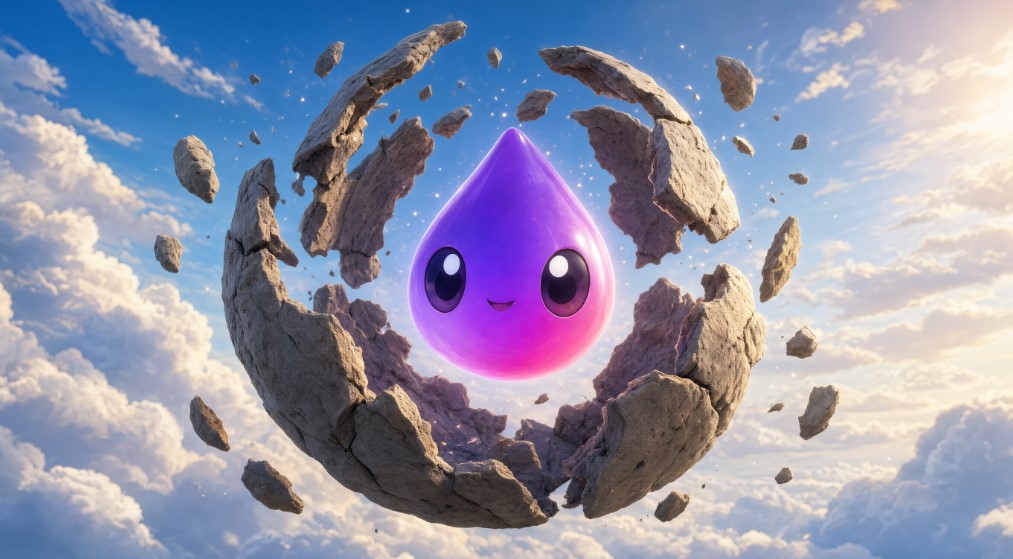
Minior changes form mid-battle, based on its remaining health. It enters a fight in Meteor Form, with higher Defence and lower Attack. When its HP drops below 50%, the shell breaks, the core is exposed, and it switches to Core Form – much higher Attack, much lower Defence.
That is a mechanic Pokémon GO has largely avoided. The game is built on fixed stats, and a Pokémon whose numbers change partway through a fight is a different kind of object entirely.
Two important limits on how it works at launch:
- The form change only happens in specific battles – against Team GO Rocket, against team leaders, and in the GO Battle League. It is described as working that way “at first,” which implies broader support later.
- It is not eligible for the 2027 Latin America International Championships, a restriction that tells you the competitive side is still being assessed.
The strategic shape this creates is unusual. A Minior that is winning comfortably stays bulky and durable. A Minior that is losing becomes dangerous. It rewards opponents who can burst it down past the threshold quickly, and punishes anyone who chips it slowly into its stronger state.
Explore by Starlight
Each day of a shower has a window inside the window. From 5:00 p.m. to 9:00 p.m. local time, the in-game sky fills with shooting stars and the chance of encountering Minior in the wild increases. Outside those four hours, during the rest of the event period, spawns continue at the base rate.
So the practical schedule for the Leonids in November is four hours a day, for six days. That is twenty-four hours of boosted spawn time to collect whatever you need before the window shuts for another month.
The shooting stars themselves are cosmetic, and they are the best thing about the event. An in-game sky that changes to match a real astronomical event happening above the player’s actual head is the kind of detail this game does better than anyone.
What Is Coming, and the Geminids Oddity
Five showers remain, and one of them does something no Pokémon GO event has done before.
Leonids, November 14-19, 2026. The next window. Core colour not yet announced, which means one of Red, Orange, Yellow, Blue, Indigo or Violet.
Geminids, December 11-16, 2026. This is the interesting one. Two core colours debut in the same event – one in the Northern Hemisphere and a different one in the Southern.
Hemisphere splits are not new to the game, but they have always been seasonal, tied to summer and winter spawns. Splitting a one-off species debut by hemisphere is different, and it means two populations of players will finish December with different Minior collections and no in-game way to trade across the divide beyond finding someone on the other side of the planet.
Then a five-month gap. Nothing between mid-December and Eta Aquariids on May 3-8, 2027, followed by Southern Delta Aquariids from July 28 to August 2 and Perseids from August 10-15.
Work the arithmetic, and the full collection takes until August 2027 at the earliest – roughly ten months from the first shower to the last, assuming every remaining colour is announced on schedule and nothing slips.
| Core Colour | Status |
|---|---|
| Green | Released, Orionids, October 2026 |
| Red | Unreleased |
| Orange | Unreleased |
| Yellow | Unreleased |
| Blue | Unreleased |
| Indigo | Unreleased |
| Violet | Unreleased |
Pokémon GO Minior in PvP
Early assessments put Minior in promising territory, specifically in the Great League, and the reasoning is the form change rather than any individual stat.
Typing: Rock and Flying, which brings five weaknesses – Electric, Ice, Rock, Steel and Water. That is a demanding spread in a meta where Water and Steel are everywhere, and it is the main thing holding Minior back.
Moves available:
- Rollout as the Fast Attack, valued for energy generation rather than damage.
- Power Gem, Ancient Power and Acrobatics as Charged Attack options.
The case for it: Meteor Form gives genuine bulk, so Minior can absorb pressure and build energy, then transforms into a high-Attack threat precisely when a conventional Pokémon would be fading. A Pokémon that gets stronger as it gets closer to fainting inverts the normal shield-and-switch calculus.
The case against it: five weaknesses, a Fast Attack chosen for energy rather than damage, and a Core Form whose defensive stats make it fragile exactly when it is at its most dangerous.
Early days, and with the form change restricted to Rocket battles, leader battles and GO Battle League, there is not yet a large body of match data to draw on. Treat PvP rankings for Minior as provisional for now.
The Shiny Question
Short and clear, because it is being asked constantly. Shiny Minior was not available during the Orionids debut, and no shiny release date has been announced.
Community guides have gone further and advised against assuming one arrives in a later shower. That is sensible. Niantic has not committed to anything; there are five more windows across ten months, and a species with seven form colours creates an unusually complicated shiny rollout to plan.
If a shiny does appear, the most likely venues are a later shower or a dedicated event once all seven cores are out. Neither is confirmed.
The Real Showers Behind the Events
A quick aside, because knowing what the calendar is built on makes the schedule far easier to remember. Meteor showers happen when Earth passes through a trail of debris left behind by a comet – or, in one case, by something stranger. Each shower is named after the constellation the meteors appear to radiate from, which is why the Orionids come from Orion and the Leonids from Leo.
- Orionids – debris from Halley’s Comet, the most famous comet there is.
- Leonids – from Comet Tempel-Tuttle, historically responsible for some of the most dramatic meteor storms on record.
- Geminids – from 3200 Phaethon, an asteroid rather than a comet, which makes this one an oddity among the major showers.
- Eta Aquariids – also Halley’s Comet, caught on the other side of its orbit, which is why two of the six windows share a parent.
- Southern Delta Aquariids – best observed from the southern hemisphere, as the name suggests.
- Perseids – from Comet Swift-Tuttle, and the reliable showpiece of the northern summer.
Two things fall out of that list. The Geminids being the single event with a hemisphere split is a pleasing coincidence, given it is also the one shower in the series thrown off by an asteroid instead of a comet. And the Orionids and Eta Aquariids sharing Halley as their source means the first and fourth windows are, in a real sense, the same debris field crossed twice.
None of that changes a spawn rate. It does make a ten-month event schedule considerably more interesting to keep track of, and it explains why the gaps are where they are – Earth cannot be hurried through the solar system to suit a live-service calendar.
How to Prepare for November 14
Practical, since there are nineteen days to get ready and nothing to do in the meantime.
- Stockpile Star Pieces. The Orionids research was built around them, the catch bonus scaled with them, and the difference between 116,100 and 174,150 Stardust came down to having one active.
- Clear your Timed Research before the window opens, since the Minior research arrives with a hard deadline at the close of the event.
- Plan around 5:00 to 9:00 p.m., which is when spawns are boosted and the sky changes.
- Keep a Meteor Form Minior back rather than transferring duplicates, because the form change makes it genuinely different in battle from most of your roster.
- Do not count on a shiny, and do not plan your Leonids around hunting one.
And one broader note: if you care about completing the colour set, the Geminids hemisphere split in December is the entry you most need a plan for, since it is the only one where your physical location determines which colour you can obtain.
FAQ
Can you catch Minior in Pokémon GO right now?
No. Minior only appears during Minior Shower events. The Orionids window closed on October 24, 2026, and the next is the Leonids from November 14 to 19.
How many Minior core colours are there?
Seven – Red, Orange, Yellow, Green, Blue, Indigo and Violet. Only Green has been released so far, during the Orionids.
What is the form change mechanic?
Minior begins battles in Meteor Form with higher Defence and lower Attack. Below 50% health it switches to Core Form, with much higher Attack and lower Defence. At first this only occurs against Team GO Rocket, team leaders and in GO Battle League.
Is Shiny Minior available?
No, and no release date has been announced. Guides advise against assuming one arrives in a later shower.
How much Stardust does Minior give?
1,000 per catch, or 1,500 with a Star Piece active. The Orionids free Timed Research added 116,100, or 174,150 under a Star Piece.
What happens during the Geminids event?
Two different core colours debut simultaneously – one in the Northern Hemisphere and another in the Southern, which is a first for a species debut.
Is Minior good in PvP?
Promising in the Great League, with good bulk in Meteor Form and a hard-hitting Core Form, though its Rock and Flying typing leaves it weak to Electric, Ice, Rock, Steel and Water.
An Event Schedule Borrowed From the Solar System
What makes this release worth paying attention to is not Minior itself. It is the structure around it.
Pokémon GO has spent nine years inventing reasons for players to go outside at particular times – Community Days, Spotlight Hours, raid windows – all of them arbitrary and all of them scheduled to suit a live-service calendar. The Minior Showers are the first time the schedule has come from somewhere else entirely. The Orionids happen when the Orionids happen. Niantic did not pick those dates; Halley’s Comet did.
The result is an event series that rewards the same behaviour the real hobby does: knowing when to look up, and being outside at dusk when something is passing overhead.
The cost is patience. Six windows, ten months, seven colours, a hemisphere split in December and a five-month gap after it. If you want the full set, you are committing to a schedule that runs until August 2027.
Nineteen days to the Leonids. Bank your Star Pieces.
Setting a reminder for November 14? Share this, bookmark it, and go stock up on Star Pieces before the sky opens again – and if creative or commercial collaboration brought you here, the YaninaGames team is one message away.