Interactive Gameplay – The Player-Dependent Narrative Form
Over the past decade, the gaming industry has experienced significant growth and has expanded into various sectors, including the movie industry. AAA Games such as The Last of Us, Red Dead Redemption 2, and Death Stranding are good examples of how games challenge traditional narrative forms. Their success has pushed the games closer to cinema and art than ever before. However, the question remains: is the player just a participant, or can they be considered a director in the gaming world through interactive gameplay?
The answer is ambiguous since the player can make decisions, shape the paths of characters, and even control the camera, but he or she cannot change the game environment. In this article, we will tell you how the gameplay functions and is perceived not just as entertainment, but also as a form of narrative cinema.
The YaninaGames team will show you how to use the interactive gameplay elements in a narrative form.
From Passive Viewers to Active Narrators
Unlike traditional film, where the viewer is a passive observer, video games place the player at the heart of the action. They are not just watching a story unfold — they are actively making choices that affect its trajectory. This shift has redefined how narratives are experienced. In Disco Elysium, for example, the player’s internal monologue and moral compass determine the character’s psychological depth, shaping the plot in ways that feel uniquely personal.

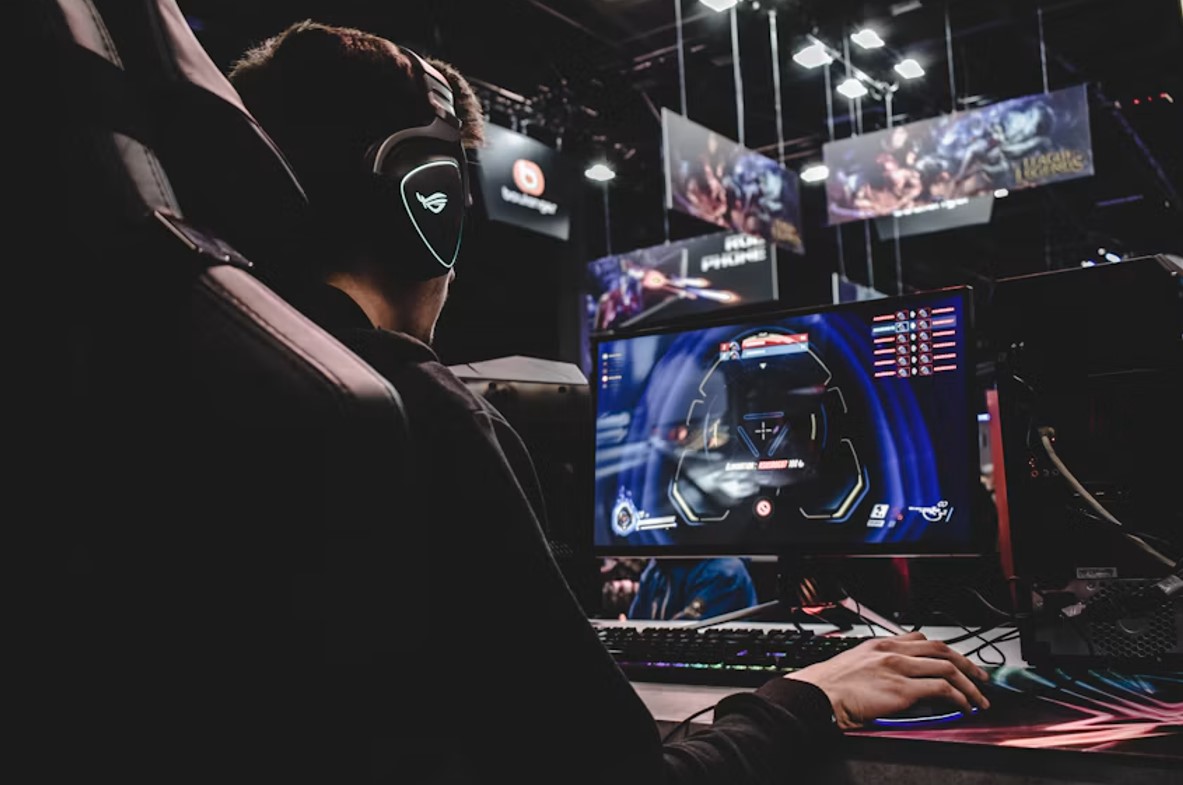
Video games allow the player to control the movements, dialogue, and strategy, which to some extent introduces a level of authorship. It’s a bit like a film director managing an acting set and arranging scenes to achieve the right emotional tone. There is something similar in generic titles. For example, players interested in Dota live score can structure and adjust the pace of each match with the help of special platforms and training. Tracking and knowledge of strategies makes players a kind of director in their teams and helps them to win.
Moreover, if you are a fan and use such software, it adds another analytical level to the match-viewing experience. Narration in games is not only an additional element but an indispensable unit that makes the interactive gameplay more interesting.
Visual Language – Camera, Composition, and Framing in Games
One of the most defining aspects of cinema is its visual language — the deliberate use of camera angles, lighting, and movement to convey meaning. Surprisingly, many modern video games now offer comparable tools, often handing them directly to the player.
Let’s take an example of open-world games such as Ghost of Tsushima or Cyberpunk 2077. In these games, the environment is very detailed and filled with symbolic architecture, similar to a carefully designed film set. If you think that esports titles are lagging behind, you are wrong. If you’ve ever watched a Dota tournament, you might have noticed how detailed everything is, from the presentation of characters to the game environment itself. In fact, players and viewers have the opportunity to watch through the director’s lens and experience many different emotions that not every film offers. By the way, Dota 2 tournaments are going to be the greatest online esports events this year.

Even without global cinematic features, the very act of moving around the game space with a third- or first-person camera imitates the role of a camera operator. Players subconsciously direct attention, follow objects, and set the pace of the visual experience. You got it right. It’s a process of framing moments in real time – a live storyboard where the ‘director’ and ‘viewer’ are one and the same.
Dialogue, Pacing, And Emotional Control
In cinema, the pacing of dialogue and the rhythm of scenes are vital to narrative impact. Video games, particularly story-driven ones, have adopted similar techniques — and added player agency into the mix.
You may have heard of such series, as Life is Strange or The Walking Dead. They are built around quick decisions that directly affect the storyline and relationships between characters. The directors intentionally set the emotional tone in the right scenes, and it is interpreted, guided, and expressed by the characters through their choices. This kind of involvement is also present in modern video games.
Extensive storylines through the interactive gameplay simply throw you into the director’s chair. You don’t just sit there with popcorn in hand and watch the pictures change, or the plot gets complicated. You’re actually pulling the strings, making these timelines spin out of control. It’s wild – suddenly every choice seems important, and you’re not just a passive spectator.
It’s like you’re a co-writer of the script, and to be honest, you’ll never get that kind of involvement just watching films. It seems like the stakes are much higher when you pull the trigger or choose which mission to go through.

Spectatorship, Performance, and the Rise of Virtual Auteurs
As live streaming and esports continue to rise, the idea of interactive gameplay as performance takes on new significance. Streamers often act not only as players but also as entertainers, editors, and commentators — shaping how their audience experiences the game in real-time.
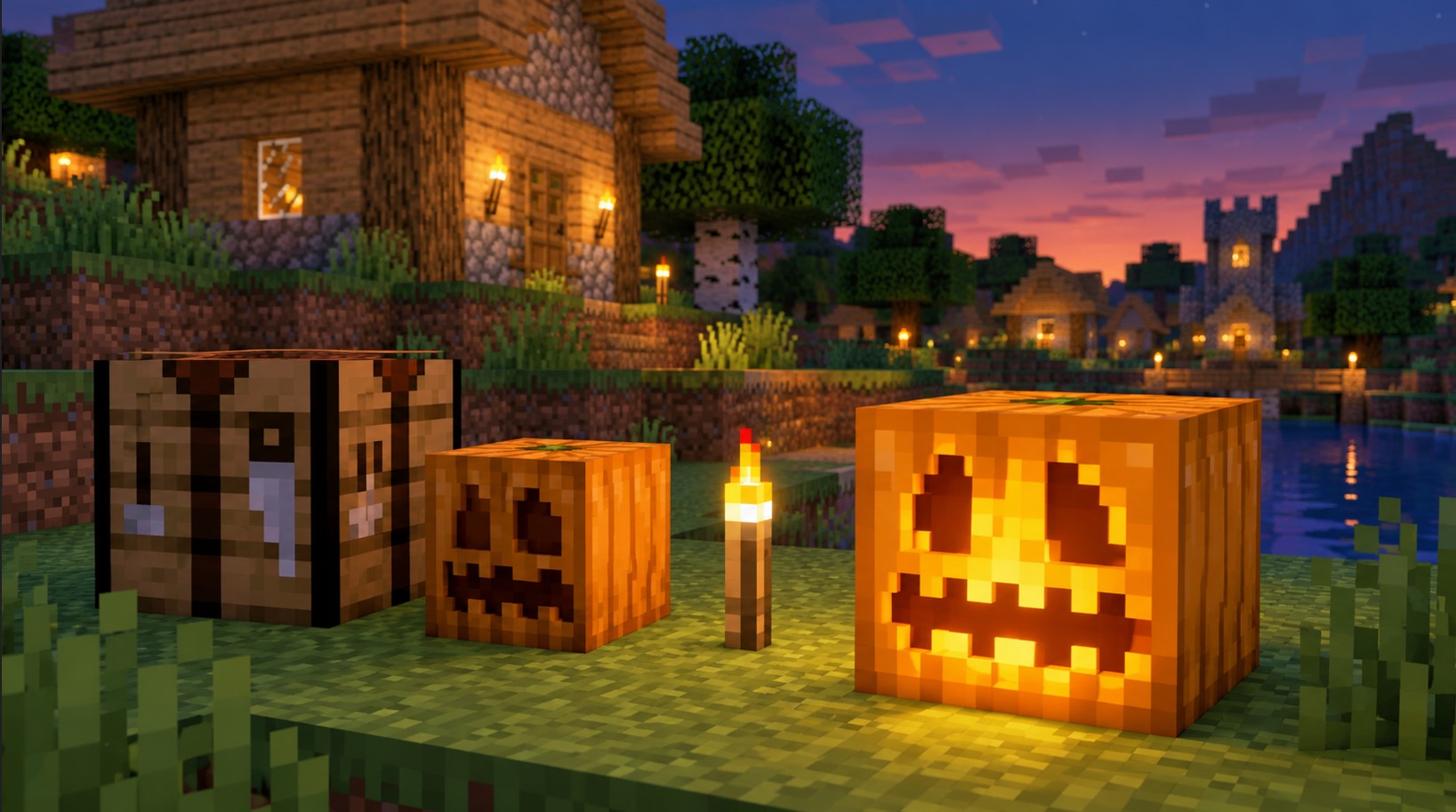
The gaming industry has a new breed of storytellers – call them virtual authors. They don’t sweat the original art or coding their engines. They are masters at completing any game and even creating their mods. Take Minecraft, for example. People build crazy cities, use some knowledge, and then capture these epic spans showing their work as if it were their blockbusters. Or Skyrim and GTA V – the community of modders in these games is the largest, players create and capture open worlds, making them much more interesting than the original versions.
Perhaps this is where the idea of the player as a director finds its fullest expression. Gameplay is not only a personal experience but can be as good as watching a film. In a competitive game, whether it’s researching a story or creating a virtual cutscene, players take on a bigger role than just viewers and consumers of content. They are directors of sorts, changing the digital world to reflect their point of view.

Conclusion
Putting the facts together, we can say that the evolution of games has ushered in a new era of interactive storytelling. In it, the player is no longer a mere consumer, but a central creative force. In today’s titles, players shape the narrative methods, just as directors create movies, make decisions, control the camera, or develop emotionally. This convergence of interactive gameplay and cinematic language is redefining the boundaries of video games. As the industry continues to evolve, it is increasingly incorporating a variety of artistic and interactive elements, and players are beginning to play the role of directors and create their own stories.
The YaninaGames continue to post interesting topics for aspiring devs and fellow game designers. We will humbly appreciate your participation by bookmarking this blog. If you want to collaborate with us, please, send us your email and we will answer!