Indie Game Retention Is a Problem, But Not for Every Developer
Most gamers buy indie games, then fight their way through dungeons that the games create on their own each time you play… and suddenly the excitement just disappears like magic. They shut down the game, and that special indie title sits forgotten on their device, collecting nothing but virtual dust. Does this story sound like something that has happened to you as an indie game dev before? Keeping players coming back to your game over and over again (a.k.a. game retention) is a significant challenge that worries even the most experienced game developers who work independently without a large team.
In the crazy world of independent game development, where you start with very little money and where the excitement from players directly affects your personal budget, trying to make sure players stay interested feels like a lot. That is why we want to explain the methods for boosting game retention and revenue – a special guide for indie game developers.
We have watched this happen over and over in the gaming world, when some games like Hades do not just come out and then fade away, but instead, they stay with players for a long time. Hades’ devs keep rolling in bucks with cash app and a nice-looking bank account.
It happens because people keep starting them up even months after the first play. Players return to chase after the next helpful gift from the gods or to have another emotional talk with a character like Achilles. The increased game retention pulls gamers back in without them even realizing it at first. The reason behind this staying power is not some kind of secret spell or trick that only big companies know, but rather it comes from careful and thoughtful choices in how the game is built from the ground up.
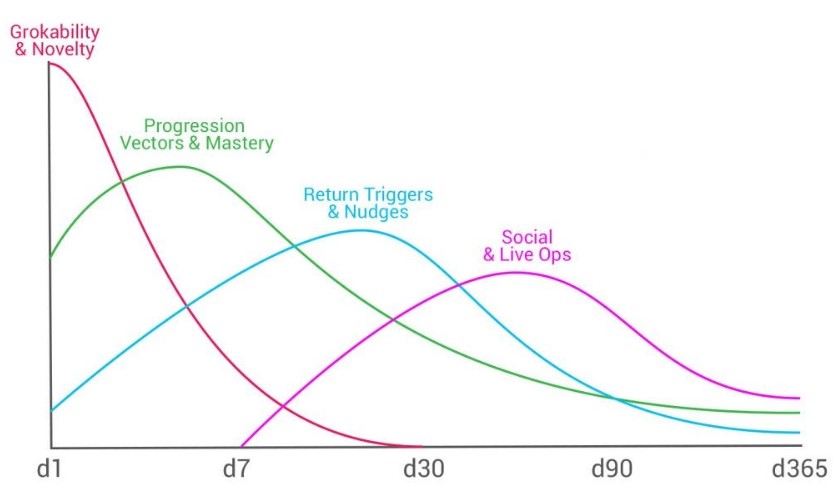
Before explaining the secrets behind their increased revenue and popularity, let’s define what is considered a good retention rate.
No matter if your indie game is made for phones, PC or consoles, you may want the number of players returning after 7 days to stay somewhere between 15 and 25%. Such results can give you a good sign that the title is holding attention well enough to grow. And here is how you can achieve such impressive results.
Nail the First Impression
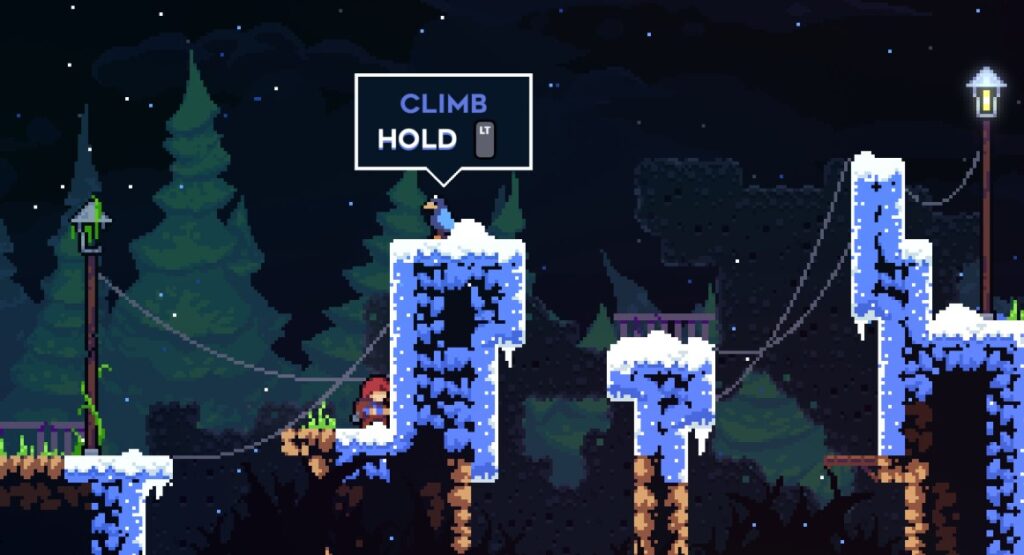
When it comes to how players first meet your game, those opening moments can either make someone love it right away or send them running back. A tutorial that feels awkward and hard to follow can ruin your chances of keeping players around. On the other hand, games like Celeste show a better way by slowly introducing you to the jumps and grabs without throwing too many words or instructions at you all at once. Instead, you pick up the skills naturally as you play. Before you know it, you have climbed halfway up the big mountain in the story, and you already care enough about what happens next that you do not want to stop.
The real key to making this work well is to keep things as simple as you can while cutting out anything that does not need to be there. So you need to guide new players with a light touch that lets them take control of what they do without feeling lost or bossed around too much. Little hints that respond to what the player tries, like a gentle push in the right direction, always work better than long pages of reading – like they do in Hollow Knight.
Here is a short list of easy changes you can make to the way players start your game:
- Quick-start skips for vets. Give experienced players a way to jump past the easy parts at the beginning.
- Layered learning. Show the different ways to play a little at a time instead of all together, starting with the simplest moves and adding more as the player gets better.
- Personal touch. Make the first part fit the way each player likes to have fun by asking a quick question at the start.
Progression That Pulls Players Back – Master the Art of the Grind
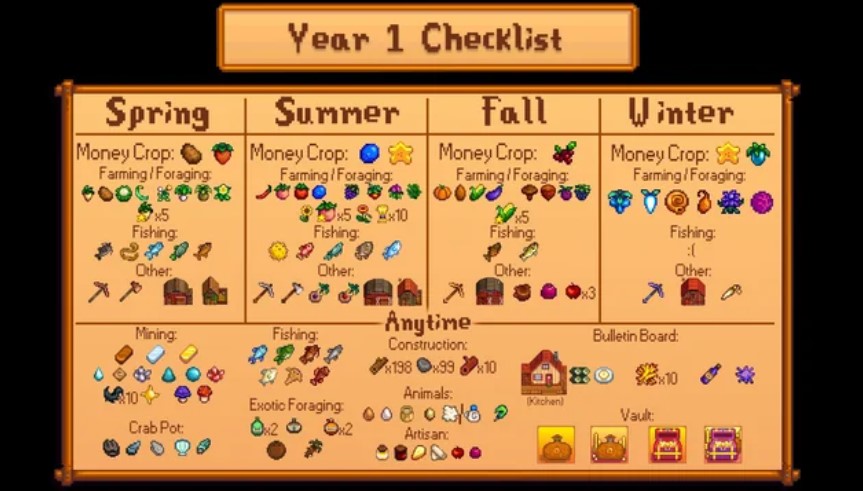
There is nothing that can kill a player’s interest in coming back to your game faster than feeling like nothing ever changes or gets better, no matter how much time they spend on it. For example, in a title like Stardew Valley, there is a gentle way your little farm plot turns from an empty patch of dirt into a thriving field and friendly animals over time. Every new season brings chances to plant different kinds of crops or join in on town events and even start sweet relationships with the villagers. All of this happens in small, steady steps that keep players smiling and eager for further playthrough.
To build this kind of pull into your own game, you need to create a path forward that feels easy to understand on the surface but has many layers underneath:
- Set up clear points along the way that show exactly where the player stands and what they can aim for next.
- Finding the right mix of difficulty is the most important part of all this. Try to add a smooth flow where the challenges fit just right with what the player can handle, getting a bit tougher in ways that excite and surprise them.
- Give players real options about how they want to build their character or tackle the levels.
- At the end of a big playthrough, let players reset some of their progress but keep special bonuses that make the next go-around even more rewarding and fun.
- Drop hints about cool things they can get later on, right from the early parts of the game – like showing a quick look at a powerful item locked behind a door that makes players dream about how to reach it.
Fresh Fuel – Updates That Reignite the Spark
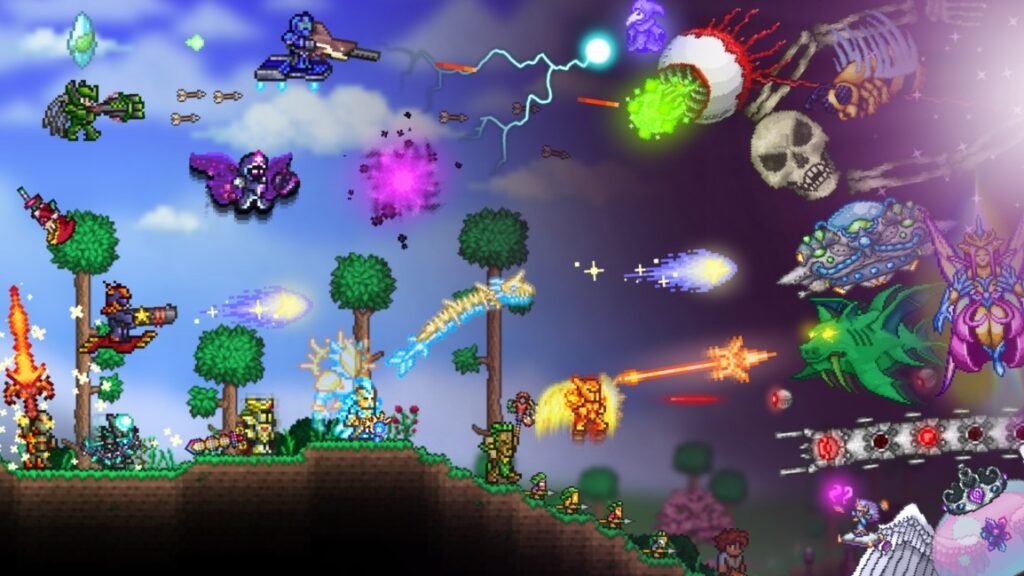
When the same old stuff keeps showing up in your game without anything new to discover, it becomes the biggest enemy to keeping players interested. Terraria is a great example of how this works over many years, with the developers releasing small fixes one week and then bigger expansions every few months.
To make this part of your plan, think about setting a steady rhythm for what you release:
- Little adjustments to how things work every week.
- Full new chapters or worlds every three months.
- Build up excitement ahead of time with short videos or notes from your desk that hint at what is coming without giving away too much, so people count down the days.
Having a mix of different kinds of updates is what keeps it all interesting, from brand new ways to play the game or tweaks to make old parts feel balanced again. However, these updates should not only be about piling on more things to do, because they also give you a chance to fix problems that have been bugging people.
Monetization Should Motivate, Not Irk
Making money from an indie game is something every developer needs to think about to keep creating more unique content. For instance, Path of Exile shows how this can work for free games by letting everyone enjoy the main adventure and tough fights without ever hitting a paywall. This keeps huge numbers of people playing and eventually paying regularly because they know their skill and effort matter more than their bank account.
Here is how you can monetize your indie game smartly:
- For smaller indie projects, things like battle passes that unlock rewards over time as you play fit really well.
- The simple one-time price of $20 for Hollow Knight: Silksong builds total trust right from the start. Because there are no surprises and endless ways to enjoy the in-game world.
- Try to stay away from tricks that make people panic about missing out unless they pay right now.
Now, here is a quick overlook of some ideas on how to boost the indie game retention. You can put them to real use.
| Strategy | Description | Example of an Indie Game |
| Compelling Narrative | Build expandable stories with hooks and loops | Hades – mythic chats evolve per run, pulling narrative nerds back |
| Progression Systems | Clear goals with rewards and unlocks | Stardew Valley – farm upgrades and relationships layer long-term love |
| Community Features | Spreading the news across forums, events, and social shares. | Hollow Knight: SilkSong – hype on Reddit keeps the hive buzzing |
| Regular Updates | Fresh content to fend off fatigue | Terraria – patches add worlds, weapons—eternal exploration. |
| Idle Mechanics | Passive gains for offline time | Vampire Survivors – auto-farming runs reward lazy legends. |
Conclusion
That wraps up the YaninaGames’ guide to making indie games that players just can’t put down. And while it does not cover every single trick out there, it should give you plenty of sparks to light up your own ideas. Developers out there, go fire up that coding software and start weaving in some of these threads today. Gamers, keep an eye out for these smart touches in the next small game you try from a solo creator. Also, we encourage you to support our project by sharing this post all over social media. Or contact us if you have ideas about the possible collaboration.