Implementation of Gambling in Video Games during the Development Process
Video games never do anything other than mirror the reality around us. When creating neon arcades of the 1980s or imaginary fantasy developers, developers have tried to hook gamers. Most innovative teams even add gambling mechanics to make the gaming experience more thrilling and funnier. Take, for example, Genshin Impact where beautiful landscapes and charismatic characters are combined with the gacha rolling based on the classic gambling mechanics. The YaninaGames continues to explore the major trends in the modern game development process and that is why we are going to explain how developers can implement gambling in video games with the best outcome possible.
It starts with psychology. Game developers should study human psychology. The idea of winning a prize is very attractive to many gamers with that venturesome spark. People like to rely on luck or their strategy when there is a chance of getting something big in exchange for something small. Like paying 10 coins to get 1000 coins, even if they are spending 990 coins in the process.
That is the main reason why gambling mechanics are so popular in multiplayer and competitive games – players who pick these genres are usually the most venturesome gamers. Though, some gamers may develop addiction and these are the things you should also consider during the early development stages.
Next comes the tech. Designers create loot boxes, spin wheels, or card system systems that can be integrated naturally with the game world. It’s art and programming mixed together so the controls are engaging, fast, and exciting.

But there is a limit to your imagination. Gambling mechanics can spark a backlash. Developers should play by the rules but avoid any pay-to-win schemes. Fun is never fun if it is unfair. Many countries forbid the use of certain mechanics that resemble casino gambling in video games by law regulations. We recommend checking the laws of the countries or states where you are going to sell your game before starting the development of the project with such mechanics.
Also, underage gambling in video games is a strict no-no policy. Only adult and responsible gamers should invest real money in gaming projects to be able to win virtual prizes for customization or gameplay changes.
With these things in mind, you should start creating your video gaming project – be law-abiding, attentive to the latest gambling trends, sensitive to gamers’ demands and you will do just fine. Also, do not forget to investigate the origins of classic gambling mechanics to calculate the possible risks and challenges.
Early Days of Gambling in Video Games
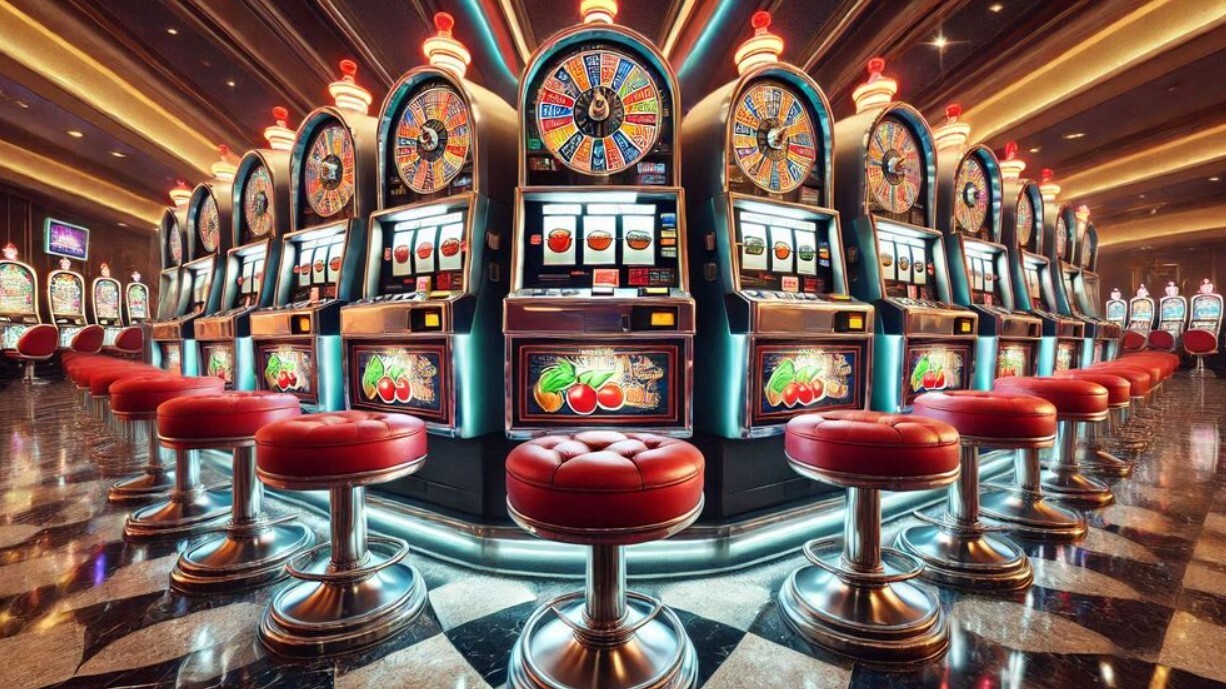
The roots of gambling mechanics in video games can be traced back to the 1980s when arcade machines dominated entertainment. Old arcades attracted the gamers of the 1980s with neon-lit screens. In the 1980s arcade machines were about big bucks made of your quarters. Pac-Man and Donkey Kong didn’t just push your skills – they played with your luck. Risk-reward mechanisms were similar to gambling: you had to play until getting a bonus or score boost. These mechanics, simple as they were, drove the excitement of the game but could not offer much beyond them.
When home consoles came along, the options expanded. The game designers started to embed gambling-style mini-games into bigger stories. In Final Fantasy and The Legend of Zelda you could immerse in a fantasy world with such minigames as dice, cards, or slot machines.

These initial experiments were quite innocent and were added just for fun. They came without a penalty, a way to get a taste of the high excitement without the danger or fear of losing real money. But they also sowed the seeds of what gambling mechanics would become. The designers learned from the rolls of dice and cards what luck can do. And the technology brought even more opportunities for those developers who wanted to implement gambling in video games.
The Modern History of Online Gambling in Video Games
Gaming was changed with the rise of online and mobile games which changed how video games entailed gambling. What were once fanciful sideshows turned into elaborate machines that imitated the thrills of casinos. Now there are a lot of loot boxes, gacha pulls, and currency swaps in games.
Gaming today breaks new ground. Take the online card games, for instance. They are casino games with beautiful graphics, realistic sound effects, and multiplayer competition. From poker tables to blackjack machines, they put gambling on your screen without the smoke and mirrors. Some even direct you to offline gambling websites – and invite interested bettors to put their hand up in the flesh.
Loot boxes and gachas go even further. These games ask players to pay for random swag – often with real money. The thrill of “what’s in there” is programmed to create dopamine rushes, just like a slot machine in a real Las Vegas casino. These add-ons are marketed as gameplay enhancers by developers, but also as predatory — at least when used for children.
Some games even include links to resources for real gambling platforms, such as casinos.us, where enthusiasts can explore the best blackjack casinos for real-world gameplay.

Gambling mechanics have definitely been a great addition to the games. But there are moral concerns, too. Are these machines adding flavor to the gaming world or taking advantage of players’ fondness for risk and reward? Since the boundaries between games and gambling are still being drawn, the industry is under pressure to keep such mechanics fun and safe.
Types of Gambling Mechanics in Video Games
Before starting the development process, you need to define the type of gambling mechanics you are going to implement in your project. Video game gambling mechanics take many forms to keep players entertained but introduce a bit of luck. These mechanics can result in simple mini-games or more complex systems that create the core of your project’s gameplay.
Loot Boxes
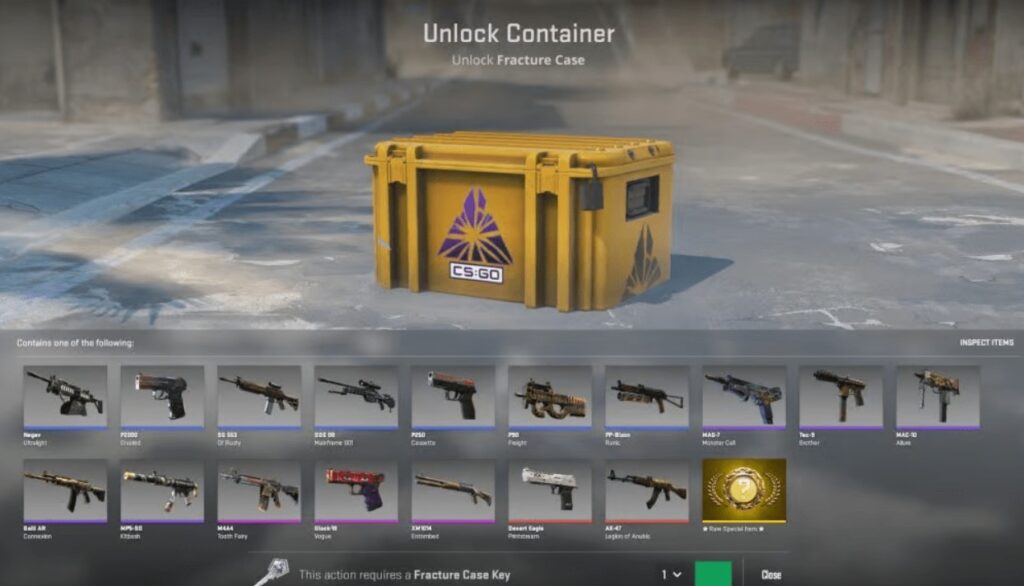
Probably the most famous gambling mechanism is loot boxes, where randomized prizes are given to you in the form of in-game currency or cash. And they love the idea of opening them up and looking for special things or skins. Yet their widespread adoption of loot boxes in video games gambling was quite controversial.
Gacha System
Gacha systems are typically used in mobile games as a form of loot boxes but are often focused on collecting items or characters. Players “drag” from a selection of possibilities; rare prizes are rewarded many times. The most popular example is Genshin Impact or any other MMORPG from HoYoverse. Asian game developers love to implement this system in mobile titles, though, PC and console gamers can also try playing them.
Full-Time Virtual Casinos
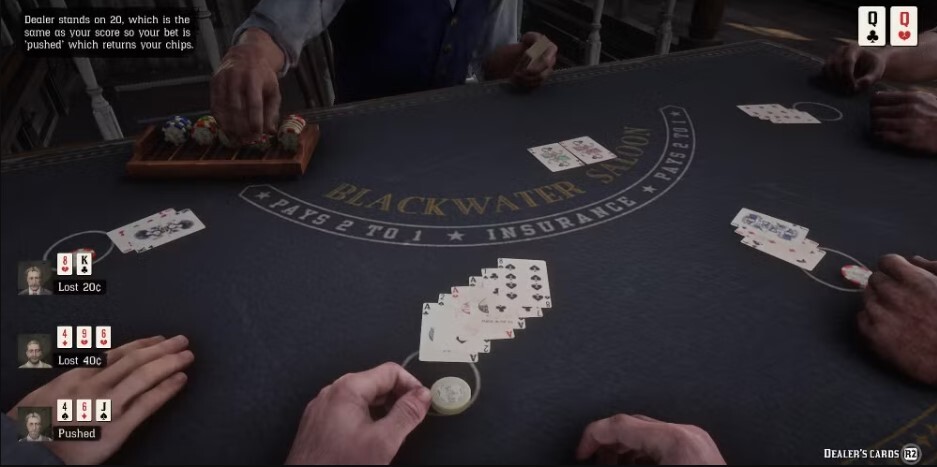
Red Dead Redemption 2 and GTA Online are games with casinos in them (there is poker, blackjack, and slot machines). These AAA titles deliver engrossing simulations of live betting tied to the game’s virtual economy.
Spin-to-Win Technology
Luck wheels bring bright and quick entertainment for the fans of classic casino gambling. They’re simple to integrate into any game and great at keeping players engaged, especially in casual or mobile games.
Card Games and Dice
Strategic gambling structures such as The Witcher 3’s Gwent or dice-based mini-games in Assassin’s Creed bring realism and immersion while allowing you to gamble without any risks but with the same fun mechanics.
After specifying the type of gambling mechanics you may go to the next stage – conceptualization.
The Development Process – Conceptualization of Gambling Mechanics
The gambling mechanics of video games come about way before any code ever gets penned. It starts with an idea, and that idea has to be in symbiosis with the theme and audience of the game. This early stage defines whether these mechanics are going to be natural or ill-fitting.
Developers at first should think about the universe or era they create in their gaming project. Game devs can look to ancient dice games from the 18th-century tavern for a pirate setting (think of gambling minigames in video games like Assassin’s Creed: Black Flag). The trick is to make the gambling mechanics as authentic as possible. The excitement of casting dice for an elusive treasure map or placing a gold bet on a rival pirate must align with the adventurer’s risk appetite.
The target audience matters a lot. Developers wonder – who will play this game? What mechanics are fun and what may trigger the negative attitude? These aspects are generally reduced or hidden as free-play elements in games for younger kids.
Morality is another important factor. Creators have to balance fun vs. potential scandal. They try to find the balance — the mechanics have something to say and they don’t eat you up (especially in an increasingly consumer-aware age of addiction and microtransactions).

Gambling mechanics should not be a game of chance or for pulling money out of gamers — they exist to tell stories, create tension, and create excitement. And when done right, they can add depth to the world and connect with the players through other important elements like narrative.
Technical Execution of Gambling in Video Games
This is not an easy job, making gambling features a part of any game. It requires a deep understanding of gambling mechanics and technical skills. It all revolves around the random number generator (RNG). This tech makes the results as fair as possible and as random as real-life gambling would be. These algorithms are subject to intense tests by developers. You should fine-tune them until there are no exploitable motifs to disturb the fragile balance of luck and skill.
Besides the gameplay, UI also matters a lot for the user’s experience. Game designers should design their gambling mechanics to look as striking as real casinos do. Neon lights, wheels, and animated scenes along with clean layouts should catch the eye of a player instantly.
Sound design adds another dimension of immersion to the games with gambling mechanics. Smiley jingles for the small-ticket prizes, and ascendant music for the jackpot increases the stakes. These visual elements should resemble the carefully planned designs in Las Vegas.
And technical implementation doesn’t end with making the game run — it’s about providing an experience. Everything, from the opening of a loot box to the display of prizes, has to be exciting and interesting. If you do it well, the gamers will return to beg for more.
The Role of In-Game Economics
Video game gambling is usually combined with in-game economies. You may earn virtual money in the game or pay with real money. This currency often becomes the key to chance stomping such as loot boxes or gacha pulls. This is a feedback cycle: players risk time or money to gain even more rewards for improving their gameplay.
Some games take these basic gambling mechanics even further by offering item trading. Games such as Counter-Strike: Global Offensive and FIFA have produced black markets of in-game currencies and items that can be received only from rare loot boxes or gacha mechanics. Speculative skins or cards become commodities, bought and sold with real money and costing like a car or even a house. This practice is far from normal both from ethical and legal points of view. We do not recommend you follow this path unless you have a bunch of lawyers backing your decision.

Besides, these game-driven economic mechanics split the distinction between games and real-life gambling. If you win virtual gold, it may not be so different from the casino jackpot. Some players find this dynamic amusing, while others see it as extortionate, especially for children. Innovation is still a very tough sell for developers to get through these economies while taking responsibility.
Games such as Counter-Strike: Global Offensive and FIFA have received criticism for creating marketplaces that closely mirror a form of gambling. In these games, the virtual items gain real value thanks to player-driven economies. And that is why the games with gambling mechanics and real money involved are regulated. You have to prepare for that.
Tools to Implement Gambling Mechanics in Video Games
Game Engines
Unity and Unreal Engine are engines used for gambling in today’s games. Unity is very intuitive and it has a big asset catalog that can be used in mobile and casual games. Unreal Engine’s rich graphics pipeline and Blueprint engine let you build casino-style games with real-world graphics and animations.
Random Number Generators (RNG)
RNGs are the core of the gambling system. Tools such as Cryptographically Secure RNG APIs or in-house libraries guarantee game unpredictable mechanics and balance. Such systems are tested extensively to detect any trends or players’ exploitation.
Asset Market Places
Asset Marketplaces such as Unity Asset Store and Unreal Marketplace provide already-developed gambling modules such as slot machines, loot box animations, and card game designs. These assets significantly save development time, and they are very customizable templates.

Payment Plugins
Real money (or VCS) integration is important to many of the gambling mechanics. PlayFab, Photon, or third-party payment plugins handle this for you, so your purchases run smoothly and securely.
UI/UX Design Software
Tools such as Adobe XD and Figma can create professional-looking, casino-like user interfaces that will keep the players on their toes. You can get sound and graphics effects with middleware (FMOD, Wwise, etc.)
Examples of Gambling Mechanics in AAA Games
AAA games have become skilled in integrating gambling into gameplay and creating experiences where chance and planning don’t always mesh. These examples are everything from immersive mini-games to massive systems:
- Red Dead Redemption 2 and its bunch of minigames;
- GTA Online;
- Fallout: New Vegas and the game say it all;
- FIFA and FC series by EA Sports;
- The Witcher 3 and its Gwent;
- Genshin Impact;
- Fortnite;
- CS: GO cases;
These are examples of AAA games with implemented gambling mechanics to make them more immersive, long-running, or money-making. Such systems are working and profitable, but unpopular, and you need to design them correctly so that there’s still time for fun and some accountability besides gambling.
Frequently Asked Questions
Are gambling mechanics in video games the same as real gambling?
It’s all about the types of mechanics and state regulations. If the players actually pay for prizes with real money — usually loot boxes — then in some countries this can be considered as full-fledged gambling. Others see it as entertainment as there is no use of real money. The developers can usually get away with it by using virtual currencies or publishing odds for transparency and regulation reasons.
Why are loot boxes in video games with gambling controversial?
The reason why slot machines are compared to gambling is because they charge for randomized loot and demand players to pay with real money. Players may burn a lot of money on hunting down rare things in video games that mostly value nothing in real life. Some gamers may even have serious financial and moral issues. Underage gamers are especially vulnerable.
What should you use to make the gambling mechanics fair?
The fair gameplay is guaranteed by the random number generator (RNG). Developers test these algorithms rigorously to avoid the predictable or the exploitable. Some games provide odds for clarity, and there are games that introduce spending or frequency limits for the fair balance and player’s protection.
What are some of the ethical gambling mechanics?
Moral games involve digital currencies earned by playing, so they don’t involve pay-to-win. In The Witcher 3’s Gwent, for instance, you can bet on game money for fun and not have to worry about money. Furthermore, games that reveal the odds and limit how much you can bet favor for fair play while limiting harm.
Conclusion
We hope that YaninaGames delivered a useful guide about the implementation of gambling in video games. You are free to contact us and get a more detailed consultation about these controversial mechanics. We collaborate with game developers, designers, and animators to create awesome 2D and 3D gaming titles together.