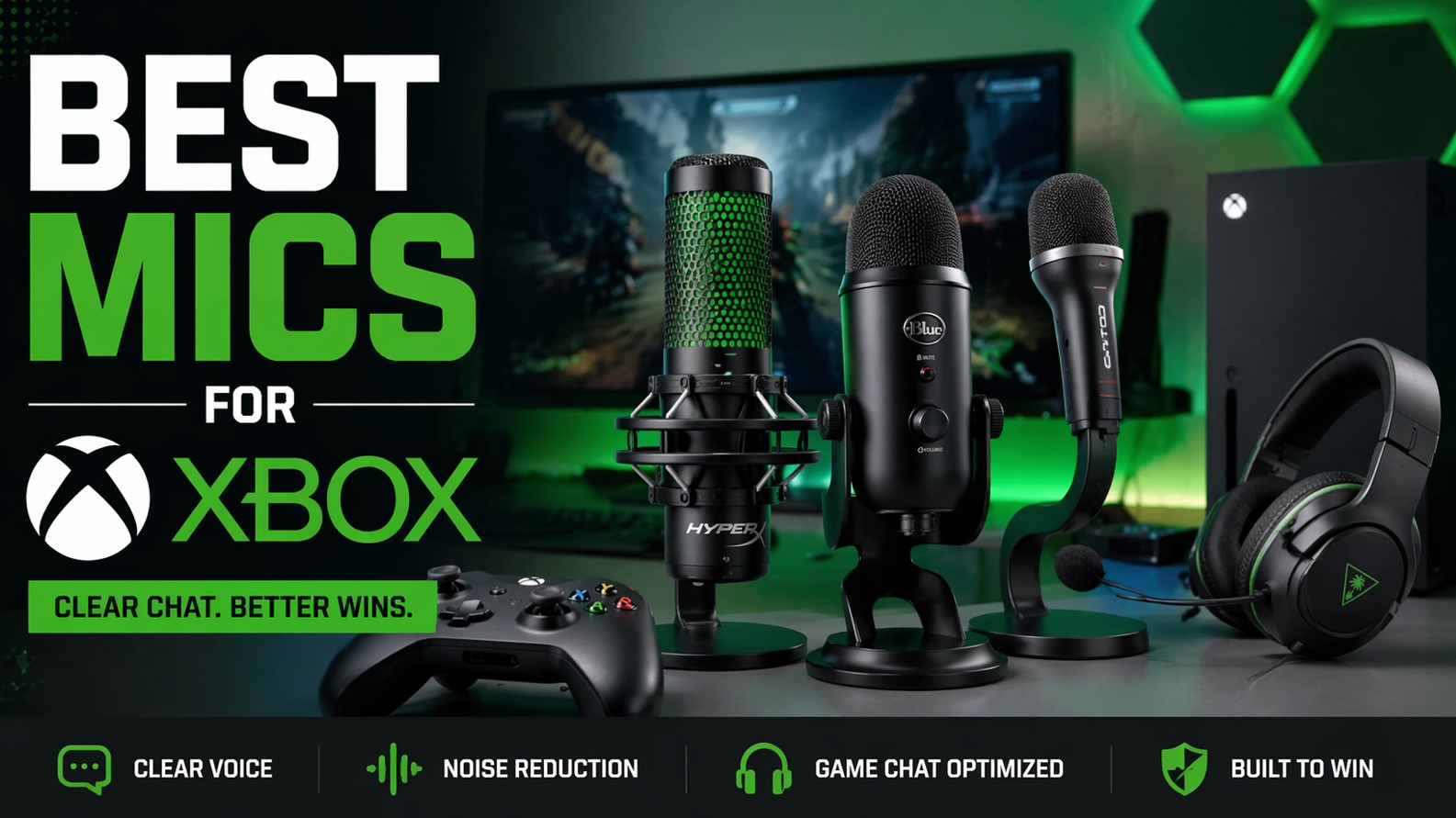
Mics For Xbox: The Real Deal On Voice Chat That Actually Works Look, if you’ve ever jumped into a quick match of Call of Duty or hopped on a long Overwatch session only to hear your buddy sound like he’s yelling through a pillow, you already know how much a solid mic matters. Mics for Xbox aren’t just accessories. They turn random noise into actual teamwork. And in 2026, the options have gotten way better. No more settling for tinny audio or mics that pick up every keyboard click in the background. I’ve tested dozens of these things over the years. Some feel like they were made for quick five-minute games. Others stick with you through entire campaigns. The good ones cut through the chaos. They let your voice come through clear while the game audio stays punchy and immersive. The bad ones? Well, they make you that guy everyone mutes after ten minutes. The thing is, Xbox makes it pretty straightforward these days. You get direct wireless pairing on most modern headsets. No extra dongle needed for the official stuff. And third-party options have caught up big time with better battery life and smarter noise cancellation. Whether you’re grinding ranked matches or just chilling with friends in Fortnite, the right mic setup keeps everyone engaged instead of frustrated. Why Good Mics For Xbox Change Everything? Ever notice how a clear voice chat can save a bad game night? One solid callout and suddenly the squad is back in sync. That’s not hype. It’s just how multiplayer works. Poor mics break that flow fast. Background noise creeps in. Words get lost. And before you know it, the fun drains right out. But here’s the part most people overlook. A decent mic also makes you sound better to yourself. That sidetone feature lets you hear your own voice naturally, so you don’t end up shouting. Comfort matters too. Nothing kills a session quicker than earcups that pinch after an hour. And in 2026, most options pack in long battery life plus quick charging, so you rarely hit that dead-battery panic mid-boss fight. What To Look For When Shopping For Mics For Xbox? Picking the right one doesn’t have to feel overwhelming. Keep these points in mind, and you’ll avoid buyer’s remorse. Mic clarity and noise handling – You want a boom arm or built-in mic that isolates your voice without catching every fan whir or dog bark in the room. Comfort for long hauls – Soft earcups and adjustable headbands make the difference between three hours and eight hours of play. Battery life and charging speed – Forty hours or more is the sweet spot now. Fast USB-C charging is basically mandatory. Wireless versus wired – Wireless wins for freedom. Wired still rules if you hate charging and want zero latency. Extra features – AI noise cancel, game-chat mix dials, and app-based EQ tweaks turn a good headset into a great one. Price versus performance – Budget options under a hundred bucks can surprise you. Premium ones justify the cost with better drivers and build quality. And yeah, compatibility is key. Stick to headsets that list Xbox Series X/S support right on the box. Most do these days, but double-check the fine print. Budget Mics For Xbox That Deliver More Than Expected You don’t need to drop a fortune to get reliable voice chat. Plenty of solid picks sit right around the hundred-dollar mark and still feel premium. Take the official Xbox Wireless Headset. For the price, it’s hard to beat. It pairs straight to your console with zero fuss. The mic has seen real improvements in recent versions. Voices come through naturally instead of being compressed. The battery lasts about twenty hours, which covers most weekend marathons. The earcups are light, and the rotating design lets you tweak chat volume on the fly. Bass sits heavy, which works great for action games. Honestly, if you’re just starting out or replacing an old pair, this one covers the basics without compromise. HyperX Cloud III keeps things simple and wired. Plug it into the controller’s 3.5mm jack, and you’re done. No charging, no signal drops. The mic picks up speech cleanly even if your room isn’t perfectly quiet. Sound stays balanced across different genres. Footsteps in horror games feel precise. Explosions hit hard without muddying dialogue. It’s durable too. The aluminum frame survives the occasional drop when you get too excited. For anyone who hates wireless hassle, this remains a go-to. Turtle Beach Stealth 500 rounds out the budget crowd nicely. Forty-hour battery, solid app support for EQ presets, and a lightweight build that doesn’t crush your head. The mic does a decent job filtering noise. Positional audio helps you hear enemies sneaking up. It’s not the absolute loudest option, but it punches well above its weight class for casual and mid-level competitive play. Premium Mics For Xbox That Feel Like A Serious Upgrade When you want that pro-level edge, the higher-end choices really shine. These aren’t just headsets. They become part of your setup. Audeze Maxwell 2 sits at the top for many testers right now. The planar magnetic drivers deliver audio that feels spacious and detailed. Voices stay clear and natural even in loud environments thanks to the excellent boom mic. Battery pushes past eighty hours which is ridiculous in the best way. It’s heavier than most, but the padding spreads the weight so you forget it’s there after a while. If you care about both game sound and chat quality, this one earns its spot. SteelSeries Arctis Nova 7X Wireless Gen 2 brings serious comfort and tech. The fabric headband feels premium. AI noise cancellation keeps your mic clean no matter what’s happening around you. Fifty-hour battery plus simultaneous Bluetooth means you can take calls without pausing the game. Sound profile stays balanced with nice punch in the lows. The app lets you fine-tune everything from your phone. It’s the kind of headset you recommend to friends who
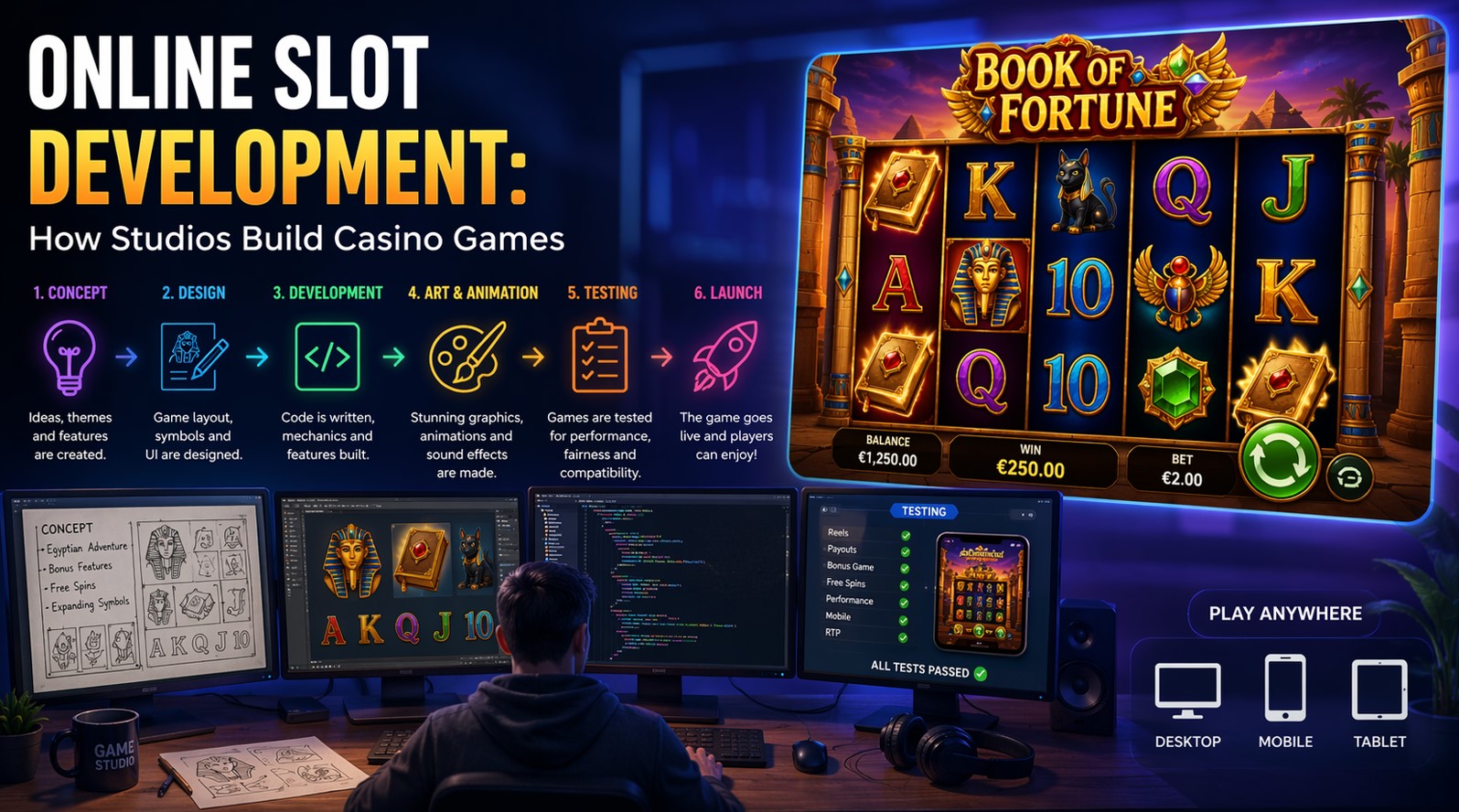
Online Slot Development: How Studios Build Casino Games
The Reality Of Online Slot Development Today You know what? Most gamers do not think twice about the mechanics behind a basic casino game. They hit a button, watch the reels spin, and hope for a win. It seems simple on the surface. But honestly, building these titles takes massive effort. It requires a dedicated team of artists, coders, and math experts working together. It is not just about slapping fruit symbols on a digital board and calling it a day. A lot of players are jumping into this space lately. The barrier to entry is super low right now. People often grab things like $5 deposit bonuses in Canadian casinos to test the waters without risking much. Due to the high number of individuals playing, studios are under intense pressure. They must provide excellent experiences each and every time. and there the real work starts. The way it works is as follows. A contemporary game must be capable of running on a five-year-old Android device as well as a new iPad. Even a single second of stuttering of the game will make the players simply close the app and proceed. So developers will depend on HTML5. This language will see the game fit into any screen size in real time. Flash is totally dead. Contemporary engines are more concerned with speed and small file sizes than anything. What Goes Into Online Slot Development Exactly? Interestingly, things become interesting in the creative process. The studio requires a great idea before anybody lays down a single line of code. Perhaps it is an ancient Egyptian theme, or a cyberpunk future theme. The art director draws sketches of the main characters, the background, and the UI components. Each and every visual detail must hold the player interested. Consider the animations. When a gamer scores a winning combo, the screen should illuminate. But developers must strike a balance between these glitzy displays and mobile performance. Excessive particle effects will consume a mobile battery. Then there is the sound. Sound design is an enormous aspect of online slots development. The sound team also creates background loops which develop tension as you play. They also make certain sound effects to near-misses and big wins. These sound effects provide gamers with slight dopamine surges. It is precisely like the noises of cracking a rare loot box in an RPG. Artists and sound engineers pay attention to the following things day in day out: Friendly and understandable UI buttons on smaller mobile screens. Fluid idle effects that ensure the screen remains alive in between spins. Audio stingers which occur precisely when the reels come to a stop. A lot of coordination is required to achieve the appropriate atmosphere. And the pictures are only the tip of the iceberg. The Hidden Psychology Of Game Design The point is, human brains are programmed in such a way that they seek patterns. This is what studios are aware of and they make games to exploit that psychology. Have you ever heard how the music picks up as you wait to see that third bonus symbol fall? That is all deliberate. It creates an anticipation. Sound designers liaise well with math designers to align audio peaks with mathematical possibilities. The near miss effect is also used cautiously by them. When you require three scatter symbols to claim a bonus, the game may randomly drop two on the screen and tease the third one. This makes you feel you nearly won. It maintains the session interesting and the energy. There is however a catch. There are rules governing the use of near misses by studios. They are unable to program them to occur more frequently than random chance will permit. Developers therefore must be able to create a natural rhythm which is exciting yet entirely fair. The Math Engine And Mobile Optimization Many people think that these games are mere random animes. However the backend architecture is so bulky. The largest factor here is fairness. Strict Random Number Generators are implemented in studios. This program guarantees that each spin is completely independent of the previous one. It can’t be hacked, and can’t be rigged in the studio. The math model determines the move to ensure that all is fair. The math designers plot the Return to Player percentage and the volatility. Imagine high volatility as battling a fierce boss in a challenging video game. You are likely to lose many times but when you eventually win, the payoff is huge. Low volatility is more of farming low level mobs – you get plenty of small and consistent hits that keeps your resources on the full. We would like to describe the key functions in a gamedev studio. This could assist you in realizing who constructs what on a day to day basis. Role Main Responsibility What They Actually Do Everyday Game Designer Concept and Math Calculates hit frequencies and bonus triggers. Frontend Dev Visual Coding Translates art into working HTML5 animations. Backend Engineer Server Logic Handles the RNG software and database loads. Sound Designer Audio Experience Creates loops, win sounds, and ambient noise. Why Online Slot Development Takes Real Brains? This math must be perfectly matched to the visual frontend by the engineering team. All the heavy lifting is performed by the server. On hitting spin, the game client requests the server to provide the result. The server then calculates the result, and sends it back to your phone. All this can occur in milliseconds. When latency occurs, the game is slow and unresponsive. The engineers take weeks to optimize response times of servers. Connection drops also need to be of concern to them. What would be the outcome of going down a subway tunnel just as you win a jackpot? You are forced to recall your location in the game. It stores your state in the server. Upon reconnecting, the game will be at the same point it was before. The construction of that safety net requires solemn backend programming.

Licensed Casino Apps That Pay Out Real Money: Lessons for Gamedev
Online Casino Apps That Actually Pay Out Real Money – What Game Devs Can Learn? Licensed casino apps process real-money withdrawals through payment processors including Visa, Mastercard, PayPal, and cryptocurrency wallets, with transaction times ranging from 10 minutes to 5 business days depending on the method selected. The difference between a casino app that pays and one that delays or denies withdrawals comes down to three measurable factors: regulatory licensing, completed KYC verification, and the payment infrastructure the operator has contracted. Knowing how to read those factors before depositing is the only reliable way to identify platforms that will actually release funds when requested. How Real-Money Withdrawal Pipelines Work Inside Licensed Casino Apps? A withdrawal pipeline inside a licensed casino app begins the moment a player submits a cashout request and ends when cleared funds arrive in the player’s nominated account. The pipeline passes through identity verification, balance confirmation, payment processor routing, and receiving bank or wallet processing, with each stage carrying its own time cost. Operators licensed by the UK Gambling Commission, Malta Gaming Authority, or New Jersey Division of Gaming Enforcement are required to hold player funds in accounts separate from operational capital, which means the money exists and is ring-fenced before the withdrawal request is even submitted. Regulated operators, like any best online casino Australia, build their cashier systems around this segregation requirement as a baseline infrastructure condition, not an optional feature. Players who complete full KYC verification withdraw funds 2.4 times faster than unverified accounts on average. That figure exists because unverified accounts trigger mandatory identity review at the withdrawal stage, adding manual processing time that verified accounts bypass entirely. The withdrawal pipeline for a verified player on a regulated platform is a largely automated sequence, whereas an unverified account introduces a human review step that can take 24 to 72 hours before the payment instruction is even issued to the processor. The sequential stages a real-money withdrawal passes through inside a licensed casino app run as follows: Player submits a withdrawal request through the in-app cashier, specifying the amount and payment method. The app’s backend system confirms available balance and checks for any active bonus wagering requirements. KYC verification status is checked, and identity documents are requested if the account is unverified. Compliance review flags any withdrawal against anti-money laundering rules before approval. Approved withdrawal instruction is transmitted to the contracted payment processor. Payment processor routes funds to the Visa or Mastercard network, an e-wallet platform, or a cryptocurrency wallet. Funds clear in the player’s account within the processing window specific to the chosen method. Payment Method Comparison for Casino App Withdrawals Cryptocurrency casino cashouts process in as little as 10 to 30 minutes after identity verification is cleared, making crypto wallets the fastest verified withdrawal channel currently available inside licensed casino apps: E-wallet withdrawals via PayPal or Skrill are complete in under 24 hours on 83% of MGA-licensed platforms. Standard bank transfer withdrawals take between 3 and 5 business days. Visa and Mastercard card withdrawals sit between those endpoints, typically clearing in 1 to 3 business days, depending on the issuing bank’s processing schedule. The processing time, typical minimum withdrawal limit, and availability across regulated markets for each major payment method are compared below: Payment Method Processing Time Typical Minimum Withdrawal Availability Cryptocurrency wallet 10 to 30 minutes $10 to $20 Selected licensed platforms PayPal or Skrill Under 24 hours $10 to $20 83% of MGA-licensed platforms Visa or Mastercard 1 to 3 business days $10 to $30 Widely available across regulated markets Bank transfer 3 to 5 business days $20 to $50 Universal across all licensed platforms KYC Verification and Why Unverified Accounts Face Withdrawal Holds KYC, which stands for Know Your Customer, is a legally mandated identity verification process that licensed casino operators must complete before releasing withdrawal funds to a player account. At the withdrawal stage, KYC typically requires a government-issued photo ID, proof of address dated within 3 months, and, in some cases, proof of the payment method used for deposits. Operators regulated by the UKGC and MGA have no legal discretion to skip this process regardless of how long the account has been active or how small the withdrawal amount is. The documents and verification steps required to complete KYC on a licensed casino app include: Government-issued photo identification, such as a passport or national ID card. Proof of address document dated within the last 3 months, such as a utility bill or bank statement. Payment method verification, such as a photo of the card used or a screenshot of the e-wallet account. Source of funds declaration for withdrawals exceeding defined thresholds under anti-money laundering rules. Selfie or live facial verification matching the submitted photo ID on some regulated platforms. The Game Development Architecture and Licensed Casino Apps That Pay Out A strong game development architecture is behind the scenes of all seamless withdrawals to guarantee the absolute integrity of data between the game client and the core wallet of the casino. In the current development of iGaming, operators of casinos seldom develop their own slot or table games, but rather integrate titles developed by dedicated B2B game development studios through smooth API protocols. Such game studios use modern game engines, such as Unity or HTML5 frameworks, such as Phaser to build the frontend experience, ensuring cross-platform compatibility and the best framerates on both iOS and Android devices. Importantly, the generation and balance updates of the actual results occur completely on the server side. The logic is run on a secure backend of the game studio when a player activates a win, and the certified Random Number Generator (RNG) manipulates the logic. This is immediately transmitted through a webhook using encrypted data to the centralized Player Account Management (PAM) system of the casino operator. This decoupled design, in which the game logic runs without references to the financial ledger of the casino, eliminates any manipulation on the client side. In case a user tries to use memory-editing software

Kazuha in Genshin Impact: Lore, Builds & Tips
Everything You Need to Know About Kazuha in Genshin Impact (As of Early 2026) You know how some characters click right away? Kazuha in Genshin Impact hits that spot every single time. He’s not flashy like Raiden or over-the-top like Itto. Instead, he drifts in with maple leaves swirling around his blade and somehow makes every team feel smoother. Even in Version 6.5, with all the new faces from Natlan and beyond, players keep pulling him because his kit just works. Let’s talk about why this guy from a fallen clan still steals the show – his lore, his best builds, and a bunch of practical tips that actually help in real gameplay. Backstory First off, his backstory hits different. The Kaedehara Clan used to stand tall in Inazuma, tied to the Kamisato family and the old Isshin sword arts. But things went south fast. Kazuha’s grandfather got tangled in a messy cover-up involving a certain puppet we all know too well now-yeah, the one who later became a Harbinger. The family business dried up, fortunes slipped away, and by the time Kazuha came along, there was nothing left to inherit but the wind and the road. He didn’t mourn it, though. He let the authorities take the old house, said goodbye to the last servant, and just… walked away. That choice says everything about him. Freedom over roots. Poetry over power. Then came the Vision Hunt Decree. Kazuha’s closest friend, whom everyone calls Tomo, decided to make a stand at Tenshukaku. One duel, one flash of the Musou no Hitotachi, and it was over. Kazuha arrived too late, grabbed the still-glowing Electro Vision from his dying buddy, and ran. That moment changed him forever. He became a wanted man, joined the Watatsumi resistance for a bit, then hopped aboard Beidou’s ship, the Alcor. The Crux Fleet gave him a home without chains. And when the Traveler finally sailed into Inazuma, Kazuha was right there on deck, ready to explain the mess and fight alongside us. The real gut-punch comes during the Archon Quest finale. Picture this: Raiden Shogun about to drop her ultimate on the Traveler. Kazuha leaps in, channels Tomo’s Vision for one brief, impossible second, and actually parries the lightning. First person ever to survive that strike. The Vision Hunt Decree ends right there. He doesn’t brag about it later. He just places the now – masterless Vision on Tomo’s grave and keeps wandering. That’s Kazuha – quiet strength wrapped in autumn leaves. His story quest, “A Strange and Friendless Road,” digs even deeper. Rumors swirl that his Shogun clash was some kind of Delusion trick. Kazuha heads out to clear the air, meets old friends like Xinyan, shares drinks with Venti in Mondstadt, and ends up facing a cursed blade tied to his clan’s lost Isshin techniques. He lets the sword possess him, reforges it into Kagotsurube Isshin, and chooses his own path again: honor the past without being trapped by it. Even years later in Sumeru and Fontaine side stories, you catch glimpses of him listening to the wind, writing haiku, and helping out wherever the breeze takes him. Why Kazuha in Genshin Impact Feels Timeless? Fast-forward to 2026, and he’s not just nostalgia bait. His passive, Poetics of Fuubutsu, turns every Swirl into a team-wide damage steroid. Stack Elemental Mastery high enough, and your whole party gets a fat Elemental DMG Bonus for the swirled element. It’s simple on paper but brutal in practice. You drop his Burst, swirl Pyro, and suddenly your Arlecchino or Hu Tao hits like a truck. No complicated rotations required. He also groups enemies better than most Anemo users. That hold Skill pulls foes in, launches him up, and sets up the signature plunging attack, Midare Ranzan, that creates a mini vacuum. Add elemental absorption and you’ve got extra damage plus crowd control. Exploration feels lighter too; his passive cuts stamina drain for the whole party by 20 percent. Little things like that add up when you’re climbing every mountain in Natlan. Kazuha in Genshin Impact: Best Builds That Actually Work Let’s get into the good stuff. Kazuha shines brightest as a support, but C6 players can flex him as a main DPS if they want. Either way, the core stays the same: pump Elemental Mastery and keep his Burst up every rotation. Support Build – The Classic Swirl King Weapon Why It Works Refinement Notes Freedom-Sworn Massive team ATK buff on Skill use R1 already excellent Xiphos’ Moonlight EM sharing plus solid ER Best 4-star option Iron Sting Pure EM for F2P players Easy to refine Favonius Sword Energy for consistent Burst uptime Good if ER is tight Artifact Stats Priority (Support): Sands: Elemental Mastery or ER (aim 160-180% total ER). Goblet: Elemental Mastery. Circlet: Elemental Mastery. Substats: ER > EM > CRIT DMG/Rate (if you want tiny personal damage). 4-piece Viridescent Venerer is non-negotiable. The 40% RES shred after a Swirl makes your main DPS melt bosses. Noblesse Oblige 4-piece works if you’re the only buffer on the team, but VV wins 95% of the time. DPS Build – For the Brave (or C6) Swap to Mistsplitter Reforged or even his signature Kagotsurube Isshin if you have it. Focus Anemo DMG Bonus on the goblet and CRIT stats on the circlet. At C6, his normal and plunging attacks get Anemo infusion plus a fat multiplier based on EM. It’s honestly ridiculous how hard he can hit while still buffing the team. Talent priority stays Burst > Skill > Normal Attack for support. For DPS, you can level normals higher, but honestly, most people keep Burst first because the field does so much work. Three Solid Team Examples: Vaporize Powerhouse: Arlecchino (main DPS), Yelan, Bennett, Kazuha. Kazuha swirls Pyro for shred, and the plunge sets up massive vaporize chains. Pure Hydro Carry: Neuvillette or Furina-led teams with Sigewinne or Baizhu for sustain. Kazuha groups the little enemies Neuv loves to blast. Aggravate Quickswap: Raiden, Fischl or Nahida,

Sweepstakes Pivot: Dual-Currency Models & Mobile Monetization
Mastering Dual-Currency Models in Mobile Games App developers face a constant battle trying to make money without annoying their users. For a long time, the standard playbook involved bombarding people with ads or locking the best features behind steep paywalls. That approach is starting to fade. Right now, a massive shift is taking place across the mobile landscape. Tech companies are borrowing the sweepstakes casino framework to build dual-currency economies. This setup separates casual fun from premium rewards, giving players total control over how they spend their time and money. It is a refreshing change that respects the user experience while still driving revenue. The Two-Coin System At the center of this strategy is a simple idea. Developers split the virtual assets into two totally different buckets. People use one type of coin purely for entertainment (e.g., Gold Coins) and a completely separate token for redeemable value (e.g., Sweeps Coins). If you browse the latest social casino sites vetted by strafe.com you will see exactly how this operates in practice. Players get to enjoy the main mechanics of a game for free. Because they never feel forced to open their wallets, they naturally stick around longer. This clear division removes the stress usually tied to mobile gaming purchases. Customer Acquisition Costs Are Reduced Finding new users usually costs a fortune in the mobile sector. Traditional apps spend huge amounts of cash just to convince one person to make a deposit. Sweepstakes models flip that script completely. As reported by SCCG Management, these platforms benefit from much lower customer acquisition costs since players can jump right into the action without dealing with identity verification friction. The entry barrier is essentially nil, and thus, apps can expand their audience at an unimaginable pace. The developers are then able to use the marketing budget on improving the software rather than simply purchasing costly clicks. Customers Have Time to Try Before Buying The majority is reluctant to use money on an application they are hardly familiar with. The two-currency system solves this problem by issuing large free coinage packages as soon as one registers. New users receive an immediate welcome pack. They are able to test the interface, check up the graphics, and determine whether the game is fun or not. Hence, when the platform finally proposes a small purchase in the online store, the user is aware of what they are getting. This open approach gains a ton of goodwill at the beginning. It is a fair trade and not a cash grab. Digital Habit Loops It is not enough to make a person download an app. To maintain them in motion, another set of tools is needed. Such platforms are highly dependent on the gamification aspects such as daily streaks, leaderboards, and special missions. Adding digital habit loops greatly increases the chances that players will buy extra virtual currency to keep their progress going. These elements mirror the engagement tricks used by top mobile games. Small, consistent rewards make the app a normal part of a daily routine. Players log in just to keep their streaks alive. Influencer Marketing Redefined Advertisements by these companies have also taken a drastic turn. The conventional banner advertisements are no longer as effective as before. Rather, operators concentrate on influencer campaigns on such sites as Twitch, YouTube, or TikTok. The entertainment value of the games is emphasized by the content creators. They advertise free coin drops or bonuses instead of advertising large deposits of cash. The gameplay is shown live and makes the entire experience appear friendly to the viewers. People are much more comfortable downloading the product by themselves since the product looks fun. It is as though it were an invitation from a friend. Working Referrals Word-of-mouth marketing is incredibly effective when it is carried out properly. The referral bonuses are brilliant since, in sweepstakes models, the inviter, as well as the new player, is rewarded with in-game currency. Giving virtual coins is cheaper than giving direct cash. Friends who add and play with each other cause enormous organic growth. This approach usually wins over paid media campaigns when it comes to cost-effectiveness. It is an acquisition process financed basically by the players themselves through their social networks. It makes it seem like a community that keeps everyone involved. Staying Fresh with Seasonal Content No one will be entertained when an application does not evolve. The operators sustain the treadmill by launching continuous promotions that provide players with an incentive to log in on a daily basis. The following are some typical examples: Seasonal rotating offers based on major holidays. Weekly wipe-outs of the leaderboards. Special coin drops on weekends to increase activity. These are the foreseeable marketing cycles that make review outlets have something to discuss about the platform. A good content schedule will ensure that the application does not feel neglected. Players are never bored with what is new. Transparency Builds Trust Consumers who use digital platforms are very doubtful of the extra charges and ambiguous conditions. Transparency provides dual-currency platforms with an enormous advantage. These operators are dependent on clear regulations to show their validity. They reassure their audience by clearly explaining that regular coins cannot be redeemed, whereas premium coins require particular qualification requirements. This display within the app makes the players feel that they are getting closer to achieving something. Transparency on the way the economy operates motivates individuals to stay in the long run. They are aware that they are competing on level ground. Striking a Balance Between the Virtual Economy In the case of mobile game developers, a two-tier economy needs careful balancing of faucets and sinks to be implemented successfully. Faucets define the free currency that players earn when playing the game, whereas sinks define how they use it. When a developer distributes an excess of the standard currency, players will not feel the urge to interact with the high-end side. On the other hand, when the premium currency is excessively limited, the game will

Pet Simulator 99 Codes (April 2026)
Active and Latest Pet Simulator 99 Codes – Actually Working in April 2026 If you’ve been hunting for Pet Simulator 99 codes that everyone can just punch in and grab free gems – honestly, that search is going to leave you disappointed. Pet Simulator 99 doesn’t have active public redeemable codes that everyone can use. Instead, the game only supports merch codes – unique one-time-use codes bundled with official merchandise like plush toys and collectibles. And before you go copying random codes from some sketchy YouTube comment section – don’t. Several YouTube videos and articles out there claim certain codes work, but the information is false. Many of these so-called working codes are either fake or have already been redeemed by someone else. So what does that mean for you? It means your best shot at free loot in this game goes through the official merchandise store. That said – there’s still a lot worth knowing about how the whole system works, what codes have existed before, and what to watch for going forward. All the Pet Simulator 99 Codes You Need to Know Right Now Active Codes (April 2026) These codes are currently listed as active and worth checking in-game: Code Reward pet-code99 Exclusive In-Game Reward pet-code2024 Exclusive In-Game Reward TitanicFireDragon Titanic Fire Dragon CatHoverboard Cat Hoverboard DamagePotionV Damage Potion V These are merch codes – they come bundled with physical purchases and are one-time use only. If a code doesn’t work, it’s very likely been redeemed already. Expired Codes (Historical Reference) Code What It Gave LuckyPotionV Lucky Potion V BagOfDiamonds Bag of Diamonds ExclusiveDragonEgg Exclusive Dragon Egg HugeCalestialDragon Huge Calestial Dragon HugeUnicornDragon Huge Unicorn Dragon BallonHoverboard Balloon Hoverboard PFB96CG9472D Huge Axolotl DPETUJ44AB89 Huge Axolotl VWJ33JE6SLED Huge Axolotl pet-4060e7deb6 Huge Cat HDVR2X95RS6L Huge Axolotl S7MJHEKAABC8 Huge Ducky pet-259e210a1b Huge Cat pet-45a33a2dca Huge Dragon pet-d67518012 Huge Dog Yep – some of those expired codes gave out Huge pets. That’s basically the holy grail of Pet Simulator 99 loot, so you can imagine how fast they went. If you missed them, you weren’t alone. How to Redeem Pet Simulator 99 Codes – Step by Step? Got a merch code in hand? Here’s exactly how you put it to work: Start by hitting the Shop icon on the left side of your screen. Then press the “Redeem!” button. A text box will appear – type your code into the empty field exactly as it appears (these codes are case sensitive). Then hit “Redeem!” to claim your reward. That’s it. No menus buried three layers deep, no weird interface tricks. The whole process takes about 30 seconds if you know where to look. Just triple-check your capitalization – codes in Pet Simulator 99 are case sensitive, so they need to be entered exactly as shown. One wrong capital letter and you’ll get an error, which is frustrating when you’re excited about a new pet. Where Can You Actually Watch for New Pet Simulator 99 Codes? Here’s the thing – BIG Games, the developer behind Pet Simulator 99, has shifted focus away from this title. The game’s description was changed to “Thanks for playing,” which pretty much signals that active development has wrapped up. So don’t hold your breath for a flood of new codes. That said, it doesn’t mean codes will never appear again. If the developers do drop something new, these are the places most likely to announce it first: The official BIG Games Twitter/X account. The BIG Games Discord server. Official Pet Simulator 99 community channels. Staying plugged into those is your best bet. Community members tend to share news fast, and codes don’t last long once they’re public. So What Even Is Pet Simulator 99? If you’re new to this corner of Roblox, here’s the rundown. Pet Simulator 99 is one of the most popular titles on Roblox, right up there with Blox Fruits and Brookhaven. The core loop is simple but deeply addictive – you collect pets, break coins to earn cash, hatch eggs to find rarer companions, and eventually push into global events to climb leaderboards. When you first load in, you start with no pet at all. The game gives you a choice of two starter pets, and from there you start grinding – breaking coins, saving cash, and hatching eggs like the Spotted Egg, Paw Egg, and Grass Egg. It sounds simple, but there’s a real pull to the progression system. You’re always chasing the next rarer drop, the next zone unlock, the next flex-worthy pet to show off to your friends. And honestly? That’s the secret sauce of why Pet Simulator games have stayed so popular for so long on Roblox. It’s the same brain chemistry that makes TCG pack openings addictive – except here, you’re hatching digital eggs at 100 clicks per minute. The Merch Code System – How Does It Actually Work? This is where things get a bit different from your typical Roblox game code situation. Pet Simulator 99 codes are unique, one-time-use codes found inside official merchandise. You scratch the code off and enter it in-game to claim your reward. It’s essentially a marketing approach that ties in-game goodies to physical product sales. Think of it like those old McDonald’s Monopoly pieces – except instead of fries and free coffee, you’re getting a Huge Dragon or a Titanic Fire Dragon for your Roblox pet roster. Not a bad trade, if you ask me. Where to get merch codes: Purchase official Pet Simulator 99 merchandise from the BIG Games store – items like plush toys, figures, and collectibles Each product contains a unique scratch code inside the packaging Once scratched, enter the code in-game before anyone else does – they’re first-come, first-served Worth noting – if a merch code isn’t working, it may have already been used. This can sometimes happen with pre-owned merchandise or opened packaging. Always check the code is intact before purchasing secondhand items. Why Are So Many People Still Searching for Pet Simulator 99 Codes? Good question.

Match-3 Level Design Companies Game Studios Should Know
The Best Match-3 Level Design Companies for Studios That Have Already Done the Research Not every best match-3 level design company is the best fit. Studios with strong marketing, entrenched SEO, and a long history in industry roundups often dominate search results. This is not necessarily by those doing the strongest work. This YaninaGames article follows a different principle. All the match-3 level design companies mentioned below have the credentials that exceed their public profiles. Some are underrepresented because of geography. Others aim their messaging at a different audience, so their match-3 strength is easy to miss. Some are simply newer than their track record justifies. The result is a list that looks different on purpose. If you’ve already reviewed the obvious names and still haven’t found the right partner, this is where to look next. Why the Most-Listed Studios Aren’t Always the Best Fit? Online “top match-3 studios” lists tend to copy one another. Once a few names gain momentum, they get cited more, rank higher, and keep reappearing. Over time, these lists reflect presence. That’s a problem for teams trying to find the right partner. The criteria shift from quality to visibility. A studio that has shipped 20,000 levels across Top 100 Grossing titles but doesn’t invest in content marketing can end up below a studio that publishes blog posts and polished case studies. The companies in this guide were evaluated on four criteria that have nothing to do with how often they appear in roundups: Verifiable match-3 or puzzle credentials (named shipped titles, documented client relationships, or measurable output). Level design is a defined capability (named, staffed function instead of a vague line in a general “game development” offering). Track record you can verify (claims that stand up to independent checks). A clear reason they’re underrepresented (geography, positioning, target audience, or a low emphasis on content marketing). None of this guarantees a perfect fit. It does, however, provide a stronger starting point than seeing the same seven names recycled across every article this year. The Best Match-3 Level Design Companies to Consider Most guides to match-3 level design companies are written for teams that don’t know where to start. This one is for studios that have already shortlisted a few names, asked the first questions, and still aren’t convinced they’ve found the right partner. At this stage, you demand a sharper way to separate studios that can ship levels from those that can move your retention curve. The match-3 level design companies below are, in our view, the strongest options currently operating in this market. SolarSpark SolarSpark is a remote-first studio built exclusively around casual puzzle game production. With 7+ years in the genre and 2,000+ levels shipped across live titles, including Monopoly Match, Matchland, KitchenMasters, MatchCruise, and CandyPins, it is the only company on this list that does nothing but match-3 level design. Why are they underrepresented? SolarSpark doesn’t publish high-volume content, doesn’t compete for general game development search terms, and doesn’t appear in broad outsourcing roundups. That’s because they’re not a broad outsourcing studio. Their visibility is intentionally narrow, so studios searching generically for “game development outsourcing” miss them entirely. What makes them worth knowing? Every level is designed around difficulty curves, fail/win balance, obstacle sequencing, and booster logic, and is calibrated to clear targets before it ships rather than being patched after the fact. Competitor benchmarking is offered as a standalone service, mapping your game’s difficulty curve and monetization structure against Royal Match, Candy Crush, and other current top performers, with specific, actionable recommendations. Notable credential For Monopoly Match (Beematch), a licensed IP title live on the App Store and Google Play, SolarSpark owned level design in a context where brand weight makes retention failures more visible and more expensive than on original titles. Verdict The strongest pure-play specialist on this list. If you’ve already run through the usual names and still don’t have the right fit, this is where to start. Brave Zebra Brave Zebra is a Spain-based outsourcing studio specializing in co-development and full-cycle production for AA and high-end indie teams. Their roster includes documented work on Empyrion (three-year partnership) and Endling: Extinction is Forever, with level design, game design, and UI/UX offered as named, dedicated services. Why are they underrepresented? Brave Zebra targets AA and indie studios rather than mobile casual publishers, so they rarely appear in match-3 or mobile puzzle outsourcing lists. Their level design credentials translate well to match-3, but their positioning toward a different audience creates a blind spot for mobile casual teams that could benefit from their expertise. What makes them worth knowing? Level design at Brave Zebra covers core gameplay systems, difficulty curves, economy frameworks, balancing, and progression as a dedicated service with milestone-based delivery. Their game design methodology combines market benchmarks, player analytics, and genre expertise. Notable credential Empyrion’s development team highlighted Brave Zebra’s three-year partnership, citing their interactive problem-solving, practical advice, and consistent professionalism over a long engagement. Verdict A strong co-development option for studios that need level and game design treated as a single integrated function, with a team capable of leading as well as executing. EDIIIE EDIIIE is a game development company with 100+ puzzle games delivered across mobile and PC, 25M+ downloads, and a stated retention methodology that delivers 35% higher player retention than industry benchmarks. Match-3 is explicitly named as a sub-genre within their puzzle development services, alongside logic, hidden object, and physics-based puzzle games. Why are they underrepresented? EDIIIE operates primarily in the Indian market and has limited Western-facing content marketing, so they rarely appear in English-language outsourcing lists. What makes them worth knowing? Their puzzle development process centers on difficulty progression, extensive playtesting, and data-informed level balancing as standard practice, not add-ons. The 35% retention uplift claim points to a methodology aimed at measurable player behavior. Notable credential 100+ puzzle games shipped with 25M+ combined downloads across mobile and PC. This is a volume that signals sustained production capacity across multiple titles. Verdict A viable option for
Crimson Desert Tips: First-Time Player Guide
Your First Steps in Pywel: Essential Crimson Desert Tips You know what? Starting Crimson Desert feels like walking into a bustling tavern mid-story. Everyone’s got a quest, the music’s loud, and you’re just trying to figure out which tankard is yours. The continent of Pywel is huge, the combat system has layers, and those three playable characters? They each play like entirely different games. Honestly, it’s a lot. But that’s the fun part. This guide packs the most useful Crimson Desert tips we’ve gathered to help you find your footing without missing the good stuff. Getting Started Right: Core Crimson Desert tips for Day One Let’s keep it real – your first few hours matter. You don’t need to master everything at once. Focus on the rhythm. Crimson Desert doesn’t use a traditional XP leveling system. Instead, each character has a personal skill tree you grow using Abyss Artifacts found in quests, boss fights, or hidden nooks. That means progression feels personal. You’re not just grinding mobs; you’re unlocking abilities that change how you move, fight, and interact with the world. Start with Kliff. He’s the story’s heart, and his balanced melee style teaches you the combat language. Slide, dodge, counter – it’s less about button-mashing and more about reading the fight. Think of it like learning a dance. You’ll stumble at first. Then, suddenly, you’re flowing. Here’s a thing many miss early: don’t rush the side questlines for Damiane and Oongka. Yeah, the main story pulls you forward, but those two bring entirely new mechanics. Damiane’s agility opens up combo routes Kliff can’t touch. Oongka? He’s the heavy hitter with grappling moves that let you yank riders off mounts. Skipping their stories means missing gear and abilities you won’t find anywhere else. Character Best For Key Strength Kliff Learning the ropes, main story Balanced weapons, broad skill access Damiane Agile combos, magic mixes Separate questline, unique traversal skills Oongka Crowd control, heavy damage Grapple-focused, fishing feature tie-in One more early-game nugget: ring that bell in your starting area. It reveals the local map and marks Traces of the Abyss – those are your fast travel points. Discovering them early saves so much backtracking later. Seriously, it’s one of those small actions with huge payoff. Combat That Feels Alive: Why Crimson Desert Tips Matter in a Fight Okay, let’s talk combat. Crimson Desert’s system is fluid – almost fighting-game-like. You can chain weapon strikes with bare-hand kicks, grapples, and environmental throws. Knock an enemy into a wall? They’re stunned. Grab a hostage? Nearby foes hesitate. It’s dynamic, and it rewards creativity. But here’s the catch: you can’t just block forever. Stronger enemies will break your guard. That’s where arrow deflection comes in. Learn that timing early because archers show up everywhere. A well-timed deflection doesn’t just stop damage – it opens a counter window. Feels amazing, right? Another subtle mechanic: weapons can be knocked from your hands. Enemies can do it to you, but you can also snatch up fallen weapons mid-fight. Don’t panic if your sword flies away. Look around. That axe on the ground? It might be exactly what you need to turn the tide. The Axiom Bracelet ties into deeper systems we’re still unpacking. Think of it as your wildcard tool. It interacts with equipped abilities in ways that can shift an encounter. Pay attention to its prompts. That bracelet isn’t just flair – it’s part of your tactical kit: Master the slide-dodge: It’s faster than a roll and keeps you in combo range. Practice arrow deflection: Timing it feels like catching a fastball – pure satisfaction. Use hostages wisely: Grabbing one enemy can freeze a whole group. Watch for weapon drops: Losing your gear isn’t a wipe if you adapt fast. You know what’s wild? Boss fights have phases signaled by health bar colors. Blue means phase one. Green, phase two. Red? That’s the “oh wow” moment. White Horn, for example, shifts behavior dramatically in that final red phase. Adjust your approach when the color changes – it’s your cue. And when you beat certain bosses? You might get their gear with Signature Abilities. These aren’t just stat boosts. They’re unique effects that can redefine your build. Always check those bonuses before selling or storing loot. A lower-stat piece with the right Signature Ability can outshine “better” gear in the right fight. Gear and Progression Made Simple: Practical Crimson Desert tips So, how do you get stronger without getting lost in menus? Two words: crafting and upgrading. Blacksmiths and specialist NPCs in Pywel’s settlements can refine your gear, boosting its power against tougher foes. Don’t sleep on this. Against multi-phase bosses, upgraded gear makes the difference between a clean win and a frustrating retry. Crafting weapons from scratch is another path. Crafted pieces often grant bonuses to core stats or enhance specific skills in ways random loot doesn’t. Think of it like tailoring your loadout. You’re not just finding gear – you’re building it to fit your style. Gear Focus Best For Where to Start Refined Weapons Boss fights, elite enemies Hernand blacksmiths early game Crafted Armor Custom stat boosts Regional tailors in Pailune Abyss Gear Slots Adding special effects Unlock via main story progression Here’s a gentle contradiction: you don’t need the “best” gear to progress. Crimson Desert’s Dynamic Difficulty Scaling adjusts challenges based on your development. That means the world stays engaging whether you’re undergeared or overprepared. Explore freely. The game won’t punish you for taking the scenic route. But – and this is a friendly but – don’t ignore resource gathering. Chopping trees, mining rocks, fishing: these feed into crafting and alchemy. Meals give temporary boosts to Health, Spirit, or Stamina. Alchemy lets you brew dyes and medicines that enhance combat. It’s all connected. Exploring Pywel Without Getting Lost Pywel has five distinct regions, each with its own vibe. Hernand, where you start, is mountainous and river-cut. Pailune is the Greymanes’ homeland. Demeniss handles politics and military stuff. Delesyia leans into science
How Groups Turn Sweepstakes Play Into a Shared Passion?
Why Communities Form Around Sweepstakes Play? Sweepstakes-style games often start as a quiet break: a few spins, a familiar theme, and a quick reset between tasks. Once a chat thread or server forms, that same routine turns into something people look forward to sharing. Groups add meaning by turning small moments into conversation – what felt surprising, what looked great, or what made someone laugh. The best communities also make newcomers feel comfortable by explaining terms, posting schedules, and setting clear expectations. Sweepstakes play in groups and communities is getting more popular, and here is how you can improve this experience. Pick a Common Starting Point In an active group, shared context matters more than fast posts, because it keeps the conversation easy to follow. A simple way to do that is to agree on a familiar hub – such as Yay Casino’s social slots games lobby – so everyone can reference the same game list and features. When members start from the same place, tips feel clearer, and new players can join in without guessing what others mean. Games are no longer just about the screen before you; it is a method of connection. It is these brief moments that are even made more meaningful when discussed in groups. A spontaneous bonus round, a gorgeous work of game art, or a comical near-miss becomes a legend to be told rather than something that happened once. A success of communities is in the fact that they dismantle barriers to entry, and therefore new members feel at home immediately by clarifying terms, setting up joint schedules, and establishing respect. The sweepstakes play in such organized communities is starting to gain a lot of popularity, and looking at the way these groups are organized, one knows how to make the experience of players better. Small Traditions That Keep Groups Active Most groups stay lively by repeating a few light traditions that make participation feel low-pressure. These habits also help the community talk about play as entertainment, not as a scorecard. Theme Night: Everyone picks a shared vibe and posts quick reactions to the art, music, and bonus-style features. Screenshot Etiquette: Members crop personal details and focus on the part of the screen that explains the point. Beginner Thread: Newcomers ask basic questions in one place, and regulars answer with simple, consistent language. Mini-Challenges: The group suggests harmless goals like “try three new themes” or “test one new spin size.” Weekly Recap: A moderator summarizes popular discussions so busy people can catch up fast. A society that fails to engage in normal activities can easily fall silent. The most energetic groups continue playing by participating in easy-to-repeat activities with low pressure. This is significant in these habits as it elevates the game to playful fun, as opposed to a contest of scores. Theme Nights The group does not just play, but selects a theme for the evening. It could be ancient Egyptian tombs, space voyages, or old-fashioned fruit machines; members leave brief comments on the art, sound, and special mechanics of that theme. Screenshot Rules To maintain the privacy and keep the feed clean, groups have rules about sharing photos. Members are expected to excise personal details or balance figures and display just the game mechanic, amusing glitch, or beautiful art that they want to feature. Newbie Thread It can be frightening to have a new hobby. There should be a fixed, nailed-down position where the new members can ask easy questions without fear. Regulars respond using simple and non-jargon language so that any person can learn easily. Easy Challenges Moderators propose non-competitive and harmless activities to make things interesting. Such concepts as trying three new themes in the day or testing the tiniest spin on a high-volatility game stimulate experimentation and do not require any pressure. Weekly Recap In cases where the members are very busy, it is difficult to maintain a fast chat. The weekly post that is provided by a moderator and includes the list of the funniest moments, the best game finds, and the most significant tips allows busy people to keep pace. How Do Groups Stay Welcoming and Low-Drama? Shared passion grows faster when a community feels safe, organized, and easy to navigate. That usually comes from a mix of clear rules and kind, steady moderation. Clear Rules and Gentle Moderation Good groups state what is allowed up front – no harassment, no pressure, and no personal attacks when someone disagrees. They also remove spam quickly and explain rule changes in plain language, so enforcement feels predictable. Shared Language for Newcomers Many communities keep a short glossary for terms like Gold Coins (GC) and Sweeps Coins (SC), plus common settings such as spin size. This small step prevents confusion and keeps helpful replies from turning into long debates. What People Actually Share in Social Groups? In groups built around social casino slot games, the most useful posts are usually practical and social at the same time. People share theme recommendations, accessibility notes, and quick explanations of on-screen features that are easy to miss at first. To keep the shared space friendly, many groups encourage members to focus on learning and enjoyment rather than on comparing outcomes. Simple norms – like avoiding bragging, welcoming questions, and praising good explanations – make the hobby feel like a team activity. Healthy Boundaries Make the Hobby Last A shared passion works best when it fits into real life instead of competing with it. Strong communities normalize taking breaks, muting notifications, and skipping events without needing to explain why. When the vibe stays relaxed, people return because they want to, not because they feel pushed. In short: healthy groups make it easy to step away, not harder. Breaks are treated as normal, not as a setback. A Shared Passion, One Session at a Time Groups turn sweepstakes play into a shared passion by building routines, explaining the basics, and keeping conversations respectful. A clear starting point, friendly traditions, and consistent rules do
Marvel’s Wolverine Release Date and Overview
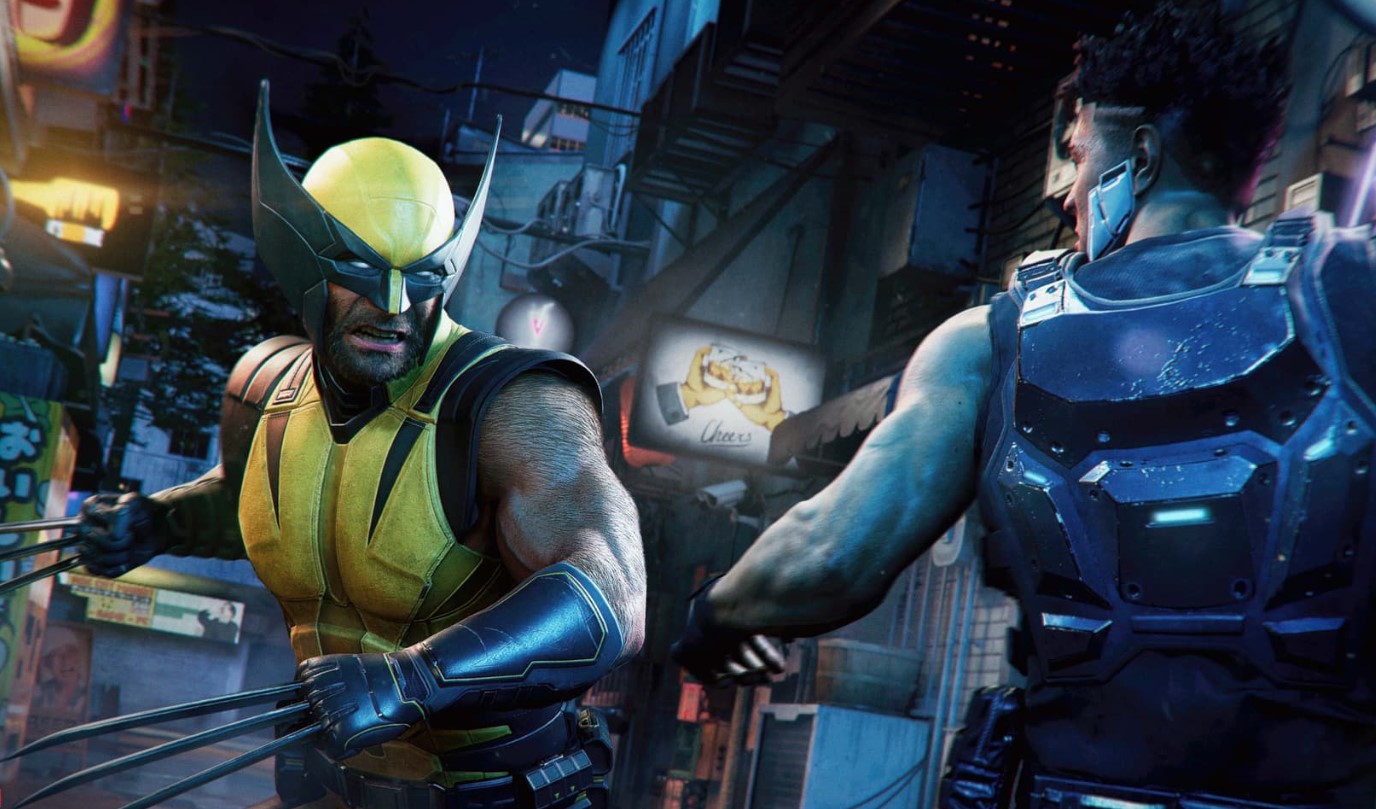
Marvel’s Wolverine Release Date – What We Know So Far You know that feeling when you’ve been waiting forever for something, and then – bam – it finally has a date on the calendar? That’s us right now with Marvel’s Wolverine release date. After years of teasers, leaks, and that gut-punch ransomware attack on Insomniac back in 2023, we finally have a solid day to circle. September 15, 2026. Mark it. Set a reminder. Tell your boss you’re calling in sick. Honestly, it feels like just yesterday we got that first cryptic tweet from Insomniac. A claw mark. A snikt sound effect. Nothing else. Fans lost their minds. And now? We’ve got a trailer, cover art by the legendary Jock, and a voice for Logan in Liam McIntyre. The pieces are coming together. But let’s be real – the wait’s still tough. Fall 2026 felt vague. September 15? That’s concrete. That’s “I can plan my life around this” territory. Marvel’s Wolverine Release Date Reveal – The Wait Is Almost Over So why does this date matter so much? Well, for starters, it slots right into PlayStation’s holiday push. September gives Insomniac time to polish everything to that shiny, 60-frames-per-second perfection we expect. It also means we’re looking at a major exclusive heading into the busiest shopping season of the year. Smart move, Sony. Real smart. The announcement itself was classic Insomniac – no flashy event, just a quick six-second clip on social media. Text on screen: “Let’s cut to the chase: Marvel’s Wolverine launches September 15, 2026.” That’s it. No gameplay deep dive, no developer commentary. Just the date and that gorgeous key art. Fans wanted more, sure. But honestly? Sometimes less is more. It builds the hype. Makes you lean in. And let’s talk about that key art for a sec. Jock – the artist behind The Batman Who Laughs and Green Arrow – brought his signature gritty style to Wolverine. It’s bold. It’s raw. It captures Logan’s pain without saying a word. That cover isn’t just packaging. It’s a promise. This game won’t hold back. Detail Information Official Launch Day September 15, 2026 Platform PlayStation 5 (exclusive) Developer Insomniac Games Publisher Sony Interactive Entertainment Voice of Logan Liam McIntyre ESRB Rating Rating Pending (expect Mature) Cover Artist Jock The thing is, Insomniac’s been quiet for a reason. After the Spider-Man trilogy proved they could handle Marvel’s biggest heroes with heart and spectacle, Wolverine demanded something different. Darker. More personal. Liam McIntyre – who you might know from Spartacus – isn’t just doing a Hugh Jackman impression. He’s tapping into the rage, the pain, the quiet moments between the berserker rages. That’s the nuance this character deserves. Story Hints and The World Waiting for Logan Here’s what we’ve pieced together from trailers and official posts. Logan’s hunting answers. A dark past keeps slipping through his claws. And in this world, getting information means getting messy. Really messy. The trailer showed fast, fluid combat – adamantium claws slicing through enemies, dismemberment that feels brutal but never gratuitous. It’s not just about winning fights. It’s about the cost of winning. The settings alone tell a story. Madripoor – that lawless island nation from the comics. The frozen wilds of Canada, where Logan’s history runs deep. Tokyo’s neon-lit alleys, perfect for ambushes and high-stakes confrontations. Each location isn’t just a backdrop. It’s a character. A challenge. A piece of Logan’s puzzle. And the faces he’ll meet? Mystique, elusive and unpredictable. Omega Red, brutal and relentless. The Reavers, a faction that’ll keep Logan’s instincts on high alert. Oh, and that purple robot prototype at the end of the trailer? Sharp-eyed fans spotted it. Could be a Sentinel. Could be something new. Either way, it’s a warning. This isn’t just a personal journey. It’s a global thriller. Confirmed Locations: Madripoor – the dangerous island nation where anything goes. Canadian wilderness – frozen, unforgiving, and deeply personal for Logan. Tokyo – neon streets and hidden dangers around every corner. Confirmed Characters: Mystique – shape-shifting wildcard with her own agenda. Omega Red – brutal Soviet-era mutant with a grudge. The Reavers – cyborg mercenaries hunting Wolverine. Why Does Marvel’s Wolverine Release Date Matter for PlayStation? Let’s zoom out for a second. PlayStation’s been building something special with its first-party studios. Insomniac’s Spider-Man games redefined superhero gaming. God of War Ragnarök delivered emotional depth alongside epic combat. Now Wolverine? It’s another pillar. Another reason to own a PS5. And that September 15 date? It’s strategic. It gives the game room to breathe before the holiday rush, but still lands in that sweet spot where gamers are hungry for something new. The technical side matters too. This game’s built from the ground up for PS5. That means fast load times, haptic feedback that makes every claw swipe feel visceral, and 3D audio that puts you right in the middle of the chaos. Insomniac’s also promised robust accessibility features – because great games should be for everyone. That’s not just good PR. That’s good design. Feature Expected Implementation Combat Style Fast, fluid, brutal with dismemberment mechanics Traversal Grounded, intense – no web-swinging here Visual Modes Performance (60fps), Fidelity (ray tracing), Balanced Accessibility Customizable controls, visual/audio aids, difficulty options Audio Descriptive audio support, 3D spatial sound on PS5 Controller Features Haptic feedback, adaptive triggers for claw attacks You know what’s exciting? The combat philosophy. Insomniac’s calling it “fast, fluid, and ferocious.” Wolverine isn’t a tactical fighter. He’s a force of nature. The trailer showed him building momentum – each hit fueling the next, each enemy takedown opening new options. It’s not just button-mashing. It’s rhythm. It’s flow. And yeah, it’s brutal. But it fits. Logan’s not a hero who walks away clean. What to expect at launch: A mature, story-driven single-player experience. Brutal but intentional combat with adamantium claws. Multiple visual performance modes for PS5. Full accessibility suite matching Insomniac’s standards. No microtransactions or live-service elements – just a complete game. The Road to September and What’s Next So