What Makes a Truly Great Video Game?
A truly great video game can make you get sucked in, keep you glued to it, and make you think about it even after you are no longer playing. It is not only graphics or hype, but a combination of a few factors that combine to make something that players want to revisit. It could be a board game, a video game, or a mobile application, but the most successful titles are the ones that know what makes playing enjoyable. According to the YaninaGames team, the following factors and elements make a truly great game. If you are a game dev, make sure to read up to the very end.
Participation By Choice And Diversity
The initial indicator of a great video game is the way it keeps the players entertained. Choice is a big part of that. The greater the space a player has to choose how to tackle challenges, the more invested they become. This applies to the branching storylines in role-playing titles and the choice of online casinos. Players feel like they own the experience when they can compare lists and discover the best options where they get to choose games, bonuses, and even payment options based on their own preferences.
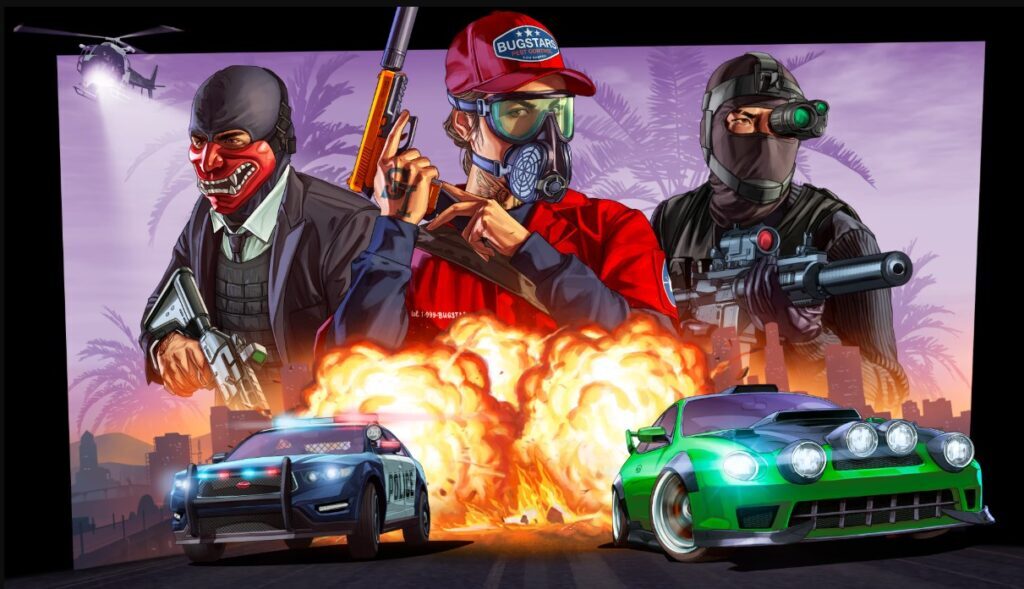
Variety is also important to replayability. A game that has many options, secret rewards, or changing challenges does not get too stale too fast. Even basic mechanics, such as rotating daily goals or seasonal changes, make things new. Players do not want to be boxed in; they want surprises, new angles, and reasons to play one more round.
Balance Between Reward and Challenge
A truly great video game that is too easy is quickly forgotten, and a game that is too difficult drives people away. Balance is the true art. The most effective developers create a gradual curve in which the challenge increases at the appropriate rate, and effort is rewarded with advancement. Consider puzzle games that introduce new mechanics when you are already good at the old ones, or strategy games that challenge your knowledge of systems without violating fairness.
Frustration becomes motivation when players strike that sweet spot. They embrace failure since the solution is not far away, and when they succeed, the reward is worthwhile. This balance makes the difference between games that are dropped after a few attempts and those that become long-term favorites.
Atmosphere And Immersion in a Great Video Game
Atmosphere is created by sound, visuals, and narrative. Although high-definition graphics can be spectacular, atmosphere is not just about the realism of a world. It is about whether the game makes you believe in entering its rules and remaining there. Even a basic pixel-based game like Minecraft can be immersive as well as a massive open-world game, provided the art, music, and tone all come together.
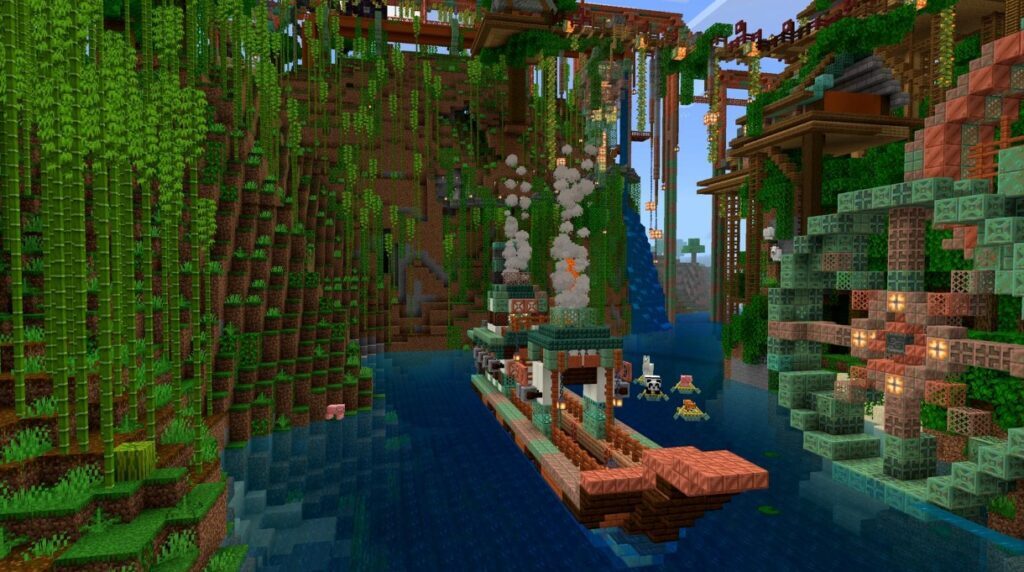
Games that produce a good atmosphere are the ones that the players will remember years later. A creepy soundtrack, a distinct style of art, or even intelligent use of silence in a great video game can take players away immediately. Immersion is not a matter of scale, but of coherence. All the elements must be drawing towards the same direction to ensure that the attention of the player remains fixed on the world before them. Also, the choice of a game engine matters if you want a surrealistic or realistic atmosphere for a better immersion.
Advancement That Seems Deserved
Players desire to feel that their effort is important. Progression is a significant motivator, whether it is unlocking a new level, getting a better gear, or enhancing the abilities of a character. Great video games provide advancement in a manner that is not given but achieved. When rewards are too common, they become worthless; when they are too infrequent, players become bored. That balance once more comes into play, and developers who time progression right exploit a fundamental human need: the need to feel better.
Long-term engagement is also fed by progression. When properly executed, it creates a feeling of personal accomplishment, which motivates players to spend more time and even develop an emotional attachment to their in-game experience. That is why progression systems are kept at the center of genres, both in casual mobile games and in massive competitive games.
Social Connection And Replay Value
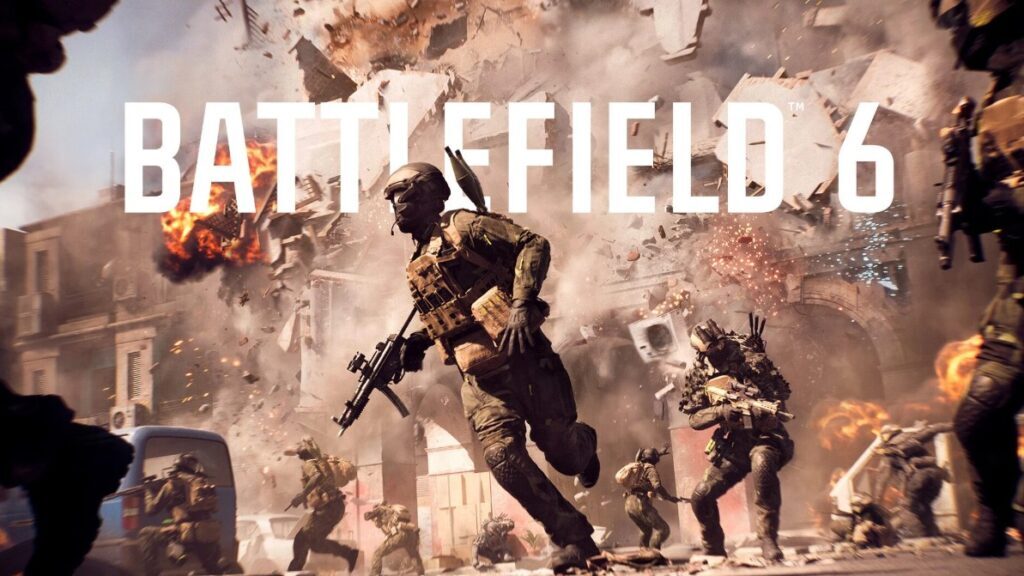
Games are seldom about the individual. Even single-player games become more lasting when they become a topic of discussion, be it discussing strategies, discussing success, or suggesting them to others. Multiplayer titles expand on this by providing collaboration or competition directly. Replay value is frequently linked to these relationships, as when players are aware that they can use new strategies, play with friends, or experience different results, they will replay more frequently.
Games that promote interaction create the strongest communities. Co-op modes, social sharing features, and leaderboards all increase the longevity of a title. The great video game is not just entertainment when people feel that they are a part of a bigger conversation; it becomes a part of their routine and identity.
Conclusion
The main idea behind a truly great game is a combination of these elements, technical skills, and creative ideas. Hundreds of game development teams are currently working to deliver the best experiences for gamers and fans of technology in video games. The YaninaGames team continues to post interesting content for fellow developers and gamers. If you want to support us, please follow, bookmark, and share your favorite posts online. Also, we are open to collaboration of any kind when it comes to the development of video games.