Finding More Episodic Narrative Games Like Dispatch
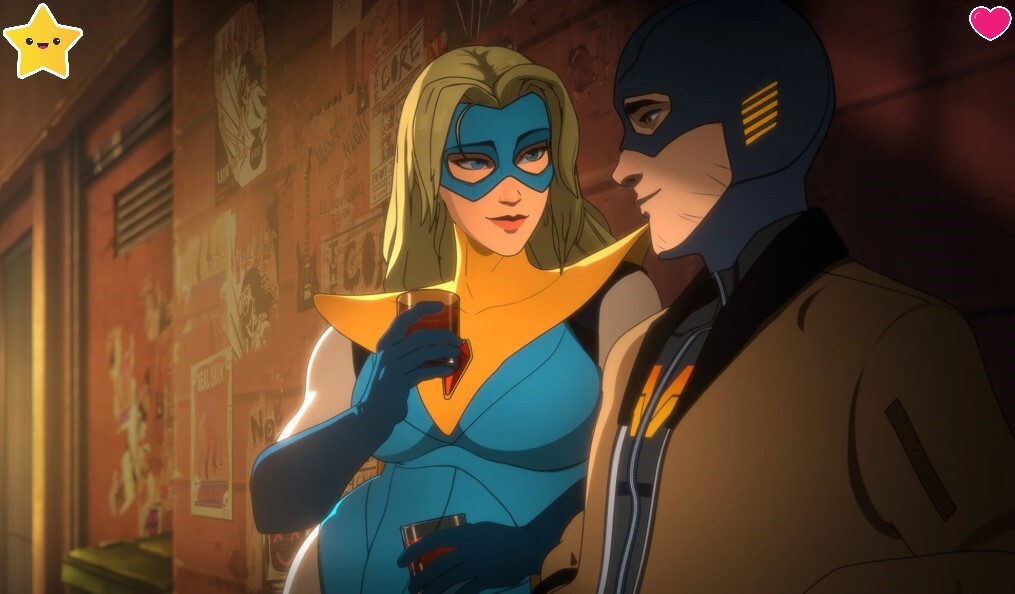
Dispatch – the episodic thriller from AdHoc Studio that just dropped and got everyone talking about narrative choices again. You see, games like Dispatch aren’t just entertainment; it’s a dramatic experiment. You are not merely playing a character; you are living the results of it. It is when a game hits the emotional aspects, when it makes you feel so concerned about a character you hardly know, that is when it really hits home.
Therefore, when you have just completed the last episode of that amazing adventure, and you are in need of another dose, where do you turn to? Fortunately, the narrative adventure game world is abundant. It has a long tradition, yet there are always more unforeseen ways of storytelling among developers. We’re looking for games that share that Dispatch DNA: strong characters, tough decisions, and that sense of being completely immersed in an ongoing drama.
How Narrative Games Like Dispatch are so Powerful?
What is the reason behind our obsessions with these games? It boils down to a so-called branching narrative, or, to be more exact, it is professional jargon to say that a story has more than one path. However, it is not only about paths, but about the burden of the decisions.
When you’re playing something like Dispatch, every interaction feels monumental. Will you support Character A, although you believe he or she is lying? Or shall you follow your hunch and put the entire operation in jeopardy? These are those moments that you will not forget even after the credits are over. They are nuanced emotional signals that bring out the spontaneity and closeness of the game.
And, to tell the truth, one of the attractions of an episodic format is the wait. You watch an episode and then you have weeks to ponder on that cliffhanger, to argue with your friends on how you should have done it. It is a TV show, but you are the one who writes the script! The very fact that you have repeated the main mystery in your mind moderately during the break only increases the interest in the next part.
If You Dig the Vibe of Games Like Dispatch, Check These Out
If Dispatch has you hooked on the idea of serialized storytelling where your actions carry real weight, these are the games that invented the format or perfected it.
The Walking Dead (Telltale Games)
We have to start here. It is Telltale’s The Walking Dead that has made the modern episodic adventure possible. It’s got that raw, desperate feeling that Dispatch taps into, even if the setting is different.
You are playing the role of Lee Everett, who tries to save a young girl called Clementine in the zombie apocalypse. It is not about battling zombies, but it is about unattainable moral choices. Would you allow one person to starve so that you can save food on behalf of the group? That’s the heavy stuff. It is a masterpiece on how to make simple dialogue decisions seem life-threatening. It is emotionally cozy, despite the surrounding world that is always disintegrating.
Life Is Strange (The Original)
It is a pure treasure to those who appreciate emotional involvement and character identification. Life Is Strange is a story of a photography student Max Caulfield, who finds out that she can rewind time.
Such power results in a curious mild paradox: you can correct yourself, and in many cases, doing so will only result in something even worse in the future. The game captures the atmosphere of young adulthood, addressing the friendships, local mysteries, and serious topics. It is so talkative and centered on those little, mundane things – sensory things such as the lighting in the diner or the music in the headphones that Max listens to – that make the world real. The story is, frankly speaking, beautiful.
Signature Thrills: Heavy Rain and Beyond, Quantic Dream
Now, if you appreciated the cinematic quality and quick-time-event (QTE) intensity in Dispatch, you’ll definitely want to check out the studio that essentially pioneered that style: Quantic Dream.
It is not so much the episodic form of their games but the immediate outcome and cinematic flow:
- Heavy Rain: This is likely their most well-known work, and it is based on four characters in pursuit of the so-called Origami Killer. The choices here are usually harsh, and losing a life in a QTE does not merely imply losing a life; it is a permanent change in the narrative or the disappearance of a character altogether. It is tense, yet it is gripping.
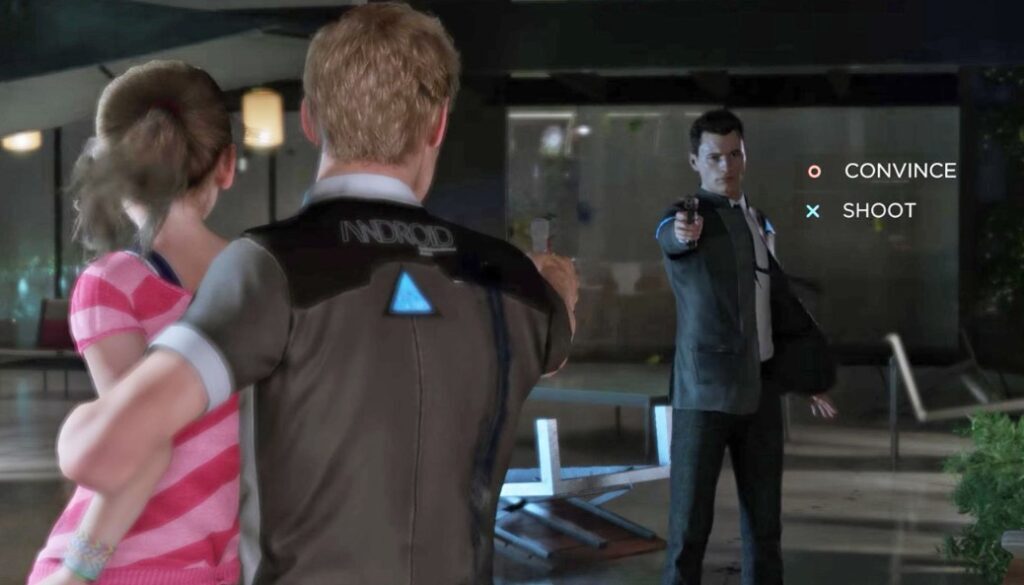
- Detroit: Become Human: The game has an unbelievable amount of paths. You trace three android characters in the near-future Detroit. The sheer amount of narrative options and the stakes of the politics involved make this seem like a very sprawling, improvised story that you are making up as you go.
The Cinematic Power of Games Like Dispatch
You know what? What makes these games so good is that you always have a feeling that you are at the center of the story. It is as though you were the star of your own high-budget TV drama. The feeling that your contribution, however minor, is a pivotal plot point is that constant pressure here – the jargon.
| Game Title | Key Focus | Episodic Format? | Key Emotional Hook |
| The Walking Dead | Moral Dilemmas, Survival | Yes | Strong attachment to Clementine. |
| Life Is Strange | Time Travel, Friendship | Yes | The consequences of your powers. |
| Heavy Rain | Thriller, QTEs | No (One big game) | The need to save a child; the fear of failure. |
| Telltale Wolf Among Us | Noir Detective, Fantasy | Yes | Traversing the grey morality of a dark world. |
Until Dawn and The Dark Pictures Anthology: Interactive Horror
Here’s another path you might want to consider, especially if the thriller elements of Dispatch appealed to you. Supermassive Games put the formula of the choice-based cinematic into the mold of a scary movie.
They essentially refined the teens in a cabin horror formula by leaving the decision of life and death to the players:
- Until Dawn: It is like a typical slasher movie with eight friends being stuck on a snowy mountain. The Butterfly Effect system causes the smallest choices to come back to haunt you hours later such as dropping a book or picking up a weapon. The characters are a combination of archetypes, yet you are really left to care about the survivors.
- The Dark Pictures Anthology: This is a collection of shorter and more standalone horror narratives (such as Man of Medan or House of Ashes). They’re perfect if you like the episodic structure of Dispatch but want to jump into a new, tight narrative every few hours.
They are doing a fantastic job of balancing formal and high-quality production with casual horror movie elements. You are always making decisions. One sentence is a short, sharp statement, such as not to open that door, and the other is long and complex as to why you are doing it: I think we should check the side entrance because the murderer always tries the most obvious first.
The Telltale Renaissance and Beyond: Even More Narrative Gold
Telltale has produced numerous other excellent games as attractive as The Walking Dead. If you can find them, they’re essential viewing for fans of games like Dispatch:
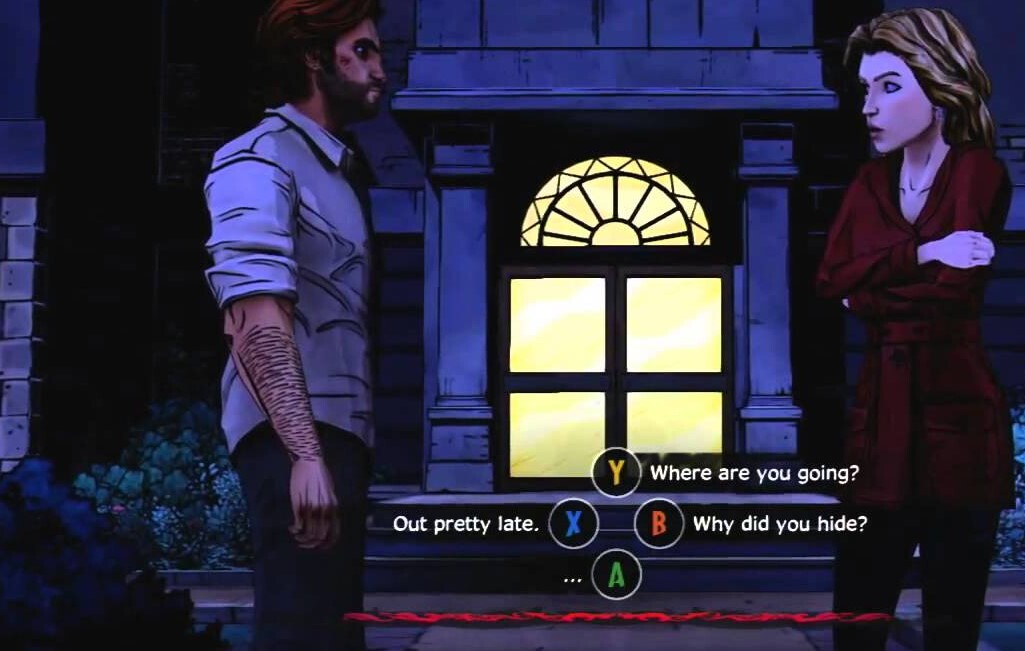
- The Wolf Among Us: A neo-noir dark mystery, in which fairy tale characters exist in a secret New York City. It is darker, and you are playing as Bigby Wolf, the sheriff. It is all about maneuvering through the grey morals of keeping order among the magic beings.
- Tales of Borderlands: Surprise, surprise. It is a humorous adventure/comedy in the sci-fi world of Borderlands. It demonstrates that the narrative system of choice-based is not only applicable to heavy drama; it can also be used to tell funny and action-packed stories. It is rhythmic and changes between a tense moment of decisive action and a ridiculous quick-time-event high-five.
Major Choices, Special Processes: Discovering the Next Gem
In addition to the giants, there are also some special titles that play with the choice-and-consequence structure and give it an interesting twist.
- Two Souls: Beyond: Another Quantic Dream game. It is based on a young woman, Jodie Holmes, who is spiritually connected to an invisible being called Aiden. The game combines the gameplay styles. However, the narrative is linear, and the player has a significant influence on the life of Jodie throughout the years. It is emotionally colored and character-oriented.
- Road 96: This is a super spontaneous and highly perplexing road. It is a procedural narrative adventure, i.e., the game randomly switches scenes and encounters. Thus, the experience of each person walking across the country is unique indeed. You are a hitchhiker who is trying to reach the border, and each time you embark on a new run, you become a different character who has a different objective. It is an interesting structural aspect.
Final Fantasy VII Remake: The Final Fantasy of Episodic Fans
This is quite a digression, but it is worth consideration. Final Fantasy VII Remake isn’t a “choice” game in the same way Dispatch is, but it is a massive, high-budget, episodic storytelling experience.
Square Enix divided a huge game that had taken decades into several, separate, full-length installments. The rhythm is completely another one – it is an RPG. However, the process of anticipating what the next episode (Part 2, Part 3, etc.) will bring is the same. It adds that seasonal aspect to AAA gaming. It demonstrates that the passion to narrate a story in bits is not just a myth, even in the largest budget games.
It is a brilliant move, honestly speaking. It maintains the excitement and suspense for a number of years.
What We Like about Getting Hooked on Episodic Games Like Dispatch:
- The Cliffhanger is King: You know what? That emotion of wanting to understand what is going to happen is an effective emotional indicator.
- Pacing: The breathless pause provides the narrative with breathing room, and it lets the emotional impact of your previous choice sink in.
- Shared Experience: It allows the community to enjoy the game together, theorizing and discussing the choices online until the next chapter is released.
- Developer Focus: It enables developers such as AdHoc Studio to specialize in one small section of the story at a time.
Comparison of the Best Narrative Adventure Choices
There are so many good ones, but the emotional feel that you want is based on the type of drama that you are seeking.
| Game Vibe | Top Recommendation | Why It Captures Dispatch Vibe |
| The Hardest Choices | The Walking Dead | Emphasize on pure moral sacrifice and desperation. |
| Teenage Angst/Time Travel | Life Is Strange | Emotional weakness and strong character relationships. |
| Cinematic Thriller/Slasher | Until Dawn | Life and death by QTEs. |
| Dark Detective Noir | The Wolf Among Us | Wicked ethical issues that are gritty and adult. |
FAQ
So what is an episodic adventure game?
It is a game in which the primary narrative is published in separate episodes, which resemble a season of a television show, but you play each episode. This format enables the developers to create fantastic cliffhangers and maintain the tension between releases.
Do Quick-Time Events (QTEs) still exist in the genre?
Yes, they are. QTEs are an important mechanic in most of the more cinematic games, such as the Supermassive titles, to convert immediate physical action into a fast, high-stakes button press that dictates the survival of a character.
What is the average episode of a narrative game?
It is highly variable, though in most cases, one episode takes approximately 1.5 to 3 hours. They are meant to be short enough to be read in one sitting and long enough to include big plot twists and big character lines.
Does my decision in these games count?
Yes, absolutely! Although the general storyline usually leads you to the same conclusion, the decisions you make in particular situations have a dramatic impact on which characters live, the nature of the interaction between them, and the conclusion that you end up with. This is why it has such a high replayability.
What is the least horror-oriented of these games?
The least horror-centered is Life Is Strange. It is a heavy subject and a tense situation but its fundamental genre is a supernatural, coming-of-age drama rather than a thriller or horror title.
Are the graphics for all these games as high-end as Dispatch?
No, they vary quite a bit. More recent games like Dispatch, such as Detroit: Become Human and The Dark Pictures Anthology, feature more advanced graphics, whereas older Telltale games, such as The Walking Dead, have a distinctive, stylized art design more concerned with expressing characters than with realism.
Is it worth waiting for all the episodes of a game to drop before playing?
Honestly, that’s up to you. Playing weekly means you share the community excitement and suspense, which is cool. But playing it all at once means you get a smoother, more immediate narrative flow, which is better if you hate cliffhangers!
Conclusion
So, there you have it. The real beauty of games like Dispatch isn’t the genre; it’s the control. It’s the feeling that the script – the emotional journey, the life-or-death survival – is being penned by the one person who cares the most: you.
Whether you go for the gritty moral challenges of The Walking Dead or the frantic, cinematic scares of Until Dawn, you’re guaranteed a thrilling ride. Just remember to breathe between those tough decisions.
To amplify our reach and support the YaninaGames team, please consider sharing this content across your social media platforms and adding it to your personal bookmarks. If you are interested in exploring opportunities for creative or commercial collaboration, we encourage you to contact the YaninaGames team directly. Your engagement is invaluable as we continue to grow and develop new projects.