Digital Privacy for Gamers is As Important As Ever in 2026
Gaming is more connected than ever. From multiplayer battles and livestreams to in-game purchases and personal profiles, players are sharing more than just gameplay. They’re sharing pieces of their digital identity. Hackers, advertisers, and even other players see your personal data as valuable. No matter if you are using a console, mobile, or PC, every click, login, and message adds to a growing digital footprint. That is why we’ve gathered the basics of digital privacy for gamers and devs in 2025-2026 so you could protect your personal, creative, and commercial data from prying eyes.
Digital Privacy for Gamers – Start From KYC and Data Collection
Most modern games and platforms collect many data. It’s not just usernames and scores. We’re talking real names, email addresses, device details, IP location, payment info, chat logs, and even how often you log in and what games you play. Some apps can even track what other software is installed on your device, supposedly for “compatibility” or “anti-cheat” reasons.

And yes, a lot of this data is used to recommend new games, improve service, or offer discounts. But it’s also often shared with third-party advertisers, data analytics firms, and other unknown players behind the scenes. So the baseline of digital privacy for gamers – filter sources of data accurately.
Even platforms with solid reputations can get caught in data leaks. And that makes you a target, especially when money’s involved, like in iGaming. Fortunately, you can find no KYC casino sites, where you can play without linking sensitive financial details or going through identity checks. Many gamers turn to these platforms that use decentralized systems like blockchain and cryptocurrencies for the added privacy layer they provide, reducing the personal info that’s typically required when signing up. Not only is privacy secured, but transactions and games are transparent and fair.
Your Gaming Account is a Goldmine for Hackers
You may not think your account is worth much, but hackers see it differently. Some games let you earn or buy skins, weapons, or rare items. Other accounts are packed with personal data and payment info. To cybercriminals, that’s a digital jackpot.
When a hacker accesses your account, he or she can purchase items using your associated credit cards and digital wallets. They are also able to steal your email address, password, and real name to initiate more attacks that are serious attacks. In case a hacker bullies other people with the help of your profile, you might be banned or reported.
Even your Steam, Discord, and Netflix accounts can be at risk due to a leakage of a gaming site that you have never even signed up to, and you end up using the same password across multiple locations.
Digital Privacy for Gamers – Overexposing is Dangerous!
Most gamers use their real names, dates of birth, or hometowns as usernames or chat. This may not appear dangerous. However, it can be dangerous, particularly when the surroundings are hostile or competitive.
You might believe that you are playing online only, but harassment can occur even in real life. The following pitfalls should be avoided when setting up digital privacy for gamers and devs:
- Doxing – when a person publishes your personal data on the Internet.
- Swatting – when a person calls the police to your house by claiming a fake emergency.
- Stalking and threats – they occur more frequently than one may imagine, particularly in high-stakes games or online feuds.
When your social media and gaming accounts are connected, or when you use the same name across all platforms, it is not difficult to find out who you are in the real world.
And gamers know it. Nearly 9 out of 10 players say they’d rather have full control over their in-game identity than let platforms adjust it based on personal data. But saying it and doing something about it aren’t the same.
Default digital privacy for gamers and devs is not an option. Customize the default privacy settings, untouched or overshare without noticing. Even something as simple as linking your real photo, tagging your location, or using the same handle across multiple platforms can make you easy to find.
Gaming Platforms Aren’t Built With Digital Privacy for Gamers
Most gamers skip the Terms of Service and click “Accept.” But that’s where platforms bury details about how much data they collect, how long they store it, and who they share it with. Even major companies have faced lawsuits over poor data protection, especially when it comes to users.
Many games also use default private settings (check your Fortnite’s and Roblox’ privacy settings every few days!), where everyone can see when you’re online, friends lists are open, chat logs are saved, and matchmaking history is viewable. It’s designed to make games more social, but it makes them less secure.
New Tech Means New Threats
Modern games use more than just buttons and joysticks. AR (augmented reality), GPS tracking, and voice chat are now standard in many games, especially on mobile. But that brings new risks in terms of location tracking, voice recording, and camera access. Even innocent features can be used for stalking, phishing, or data farming. Keep this in mind when setting the digital privacy options.
Conclusion
Gaming is supposed to be fun, immersive, and social. But when your personal data is exposed, it stops being just a game. Every friend request, download, or chat message is a potential privacy risk if you’re not paying attention. That is why digital privacy for gamers and devs remains essential.
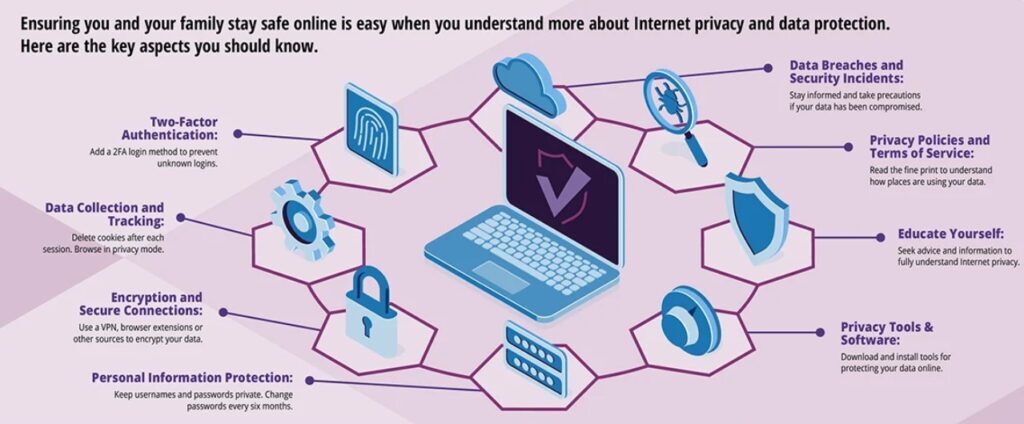
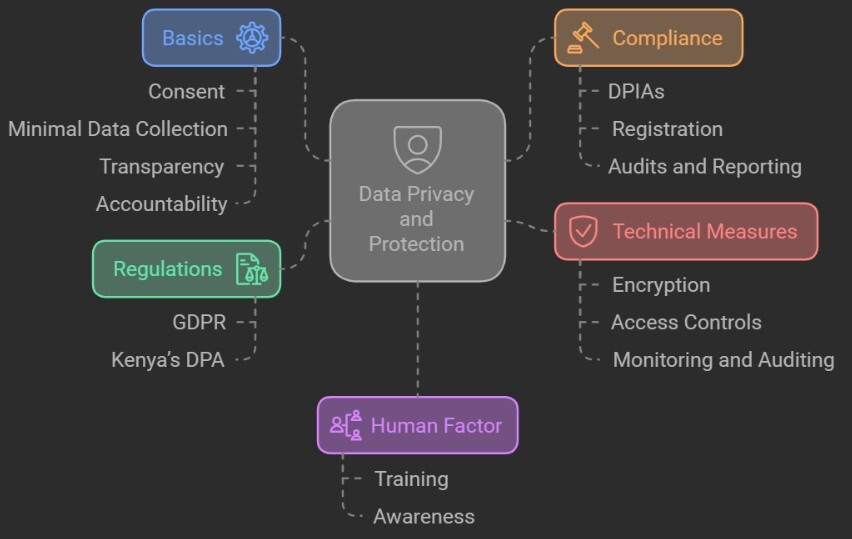
The good news is that staying safe doesn’t require expert skills. You just need to develop smart habits. Make sure to use strong passwords, turn on two-factor authentication, limit personal info, and review your privacy settings often.
Additionally, be mindful of downloads, links, and how you pay. The more control you take over your digital identity, the more freedom you have to enjoy the game without worry.
If you like this post and find it useful, please share it on your social media. Such support will help our project grow. Also, you can contact us for direct feedback and creative/commercial collaboration using email. And remember – digital privacy is easy when you actually follow the basics!