European iGaming Market: Game Development Trends for 2026
Man, you can easily lose track of the latest changes in the iGaming industry. The European iGaming market is evolving at a high rate. One minute, we discuss the mere idea of mobile compatibility, and the next minute, we are discussing AI agents that can nearly run a game’s lobby all by themselves.
Game developers tend to remain within code, either in the next sprint or in bug fixing. Still, there are moments when you have to step aside and watch where the iGaming industry is going. At the European iGaming market – the toughest regulatory area in the world – 2026 is not just another year. It is a new playing field. You need to know the technology and the players as well in case you want to make games or platforms that last.
That’s why forward-thinking companies like Soft2Bet are already pushing the boundaries of what a modern iGaming solution can look like. And honestly, it’s about time. Players are getting smarter, regulators are getting tougher, and the old tricks no longer work as effectively as they once did. Let’s talk about what’s coming down the iGaming pipeline for 2026. No crystal balls, just data and real trends.
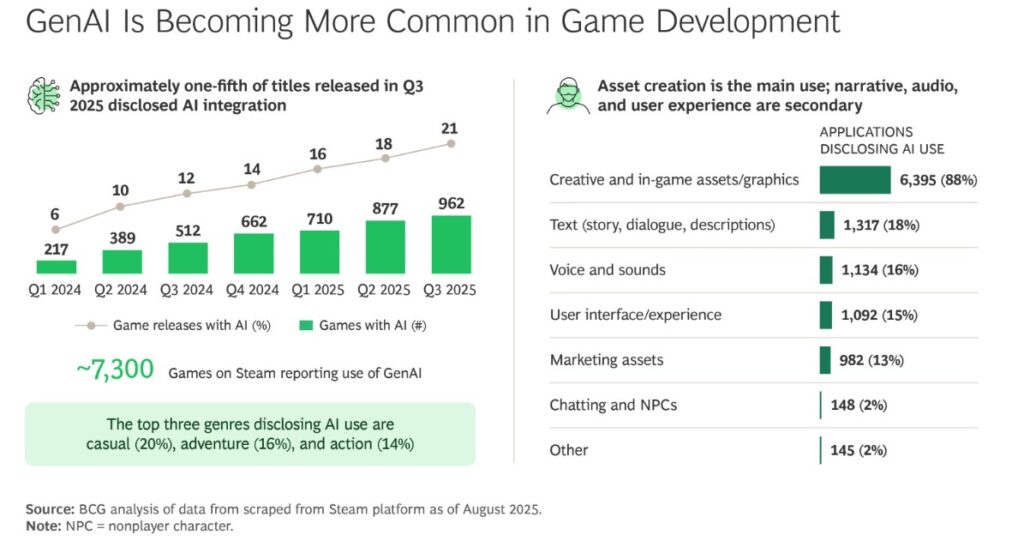
The “Living” Game: AI in the Evolving iGaming Market
We have all encountered the standard carousels of “Recommended to You” while browsing certain gaming sites. They are all right, but they are dull and repetitive. But according to the latest research data, in 2026, AI models used by game development companies will be able to recommend a slot machine since you played one last week, but they will definitely go beyond this simple task.
We are heading towards the era of “living” games. Consider Non-Player Characters (NPCs) in RPG slots or narrative-based crash games. At this moment, they operate on basic scripts. By 2026, Large Language Models (LLMs) will power NPCs by recalling your previous interactions with them. For example, in case you lost the previous boss battle, an NPC may say something encouraging or something taunting about that particular battle.
It’s All About “Motivational Engineering”
This is a term you’re going to hear a lot more at the iGaming market across Europe and globally. Good mechanics are not sufficient anymore; you must design the incentive to keep players engaged in the gaming product.
Soft2Bet is once again a great example here. They have been working on something they call “MEGA” (Motivational Engineering Gaming Application). It’s not just a buzzword. This system encloses the whole gambling experience with a gamified layer. We’re talking about:
- Urban construction within the game hub’s lobby.
- Character upgrades that carry over to other slot games.
- PVP fights with slot spins as attacks.
And the numbers back it up. By putting this level of depth, you are not merely getting the players to spin – they keep on doing it. Soft2Bet has increased its players’ screen time 4 times and Net Gaming Revenue (NGR) by 65%. That is the distinction between a game that people play and a game that people live in.
Regulation as UX in the European iGaming Market
Let’s be real for a second. Nobody is fond of the compliance paperwork. In Europe, however (and particularly in such markets as Germany, Sweden, and the Netherlands), regulation is the breath of life for the big and small companies of the local iGaming market.
The change is coming in 2026: compliance is turning into the User Experience (UX) feature. Previously, responsible gaming implied seeing irritating pop-ups that were interrupting the gaming flow. It is now a trend of “invisible” compliance. With open banking systems and smarter data analysis, operators can quickly check the background of affordability and identity before a player even makes a deposit.
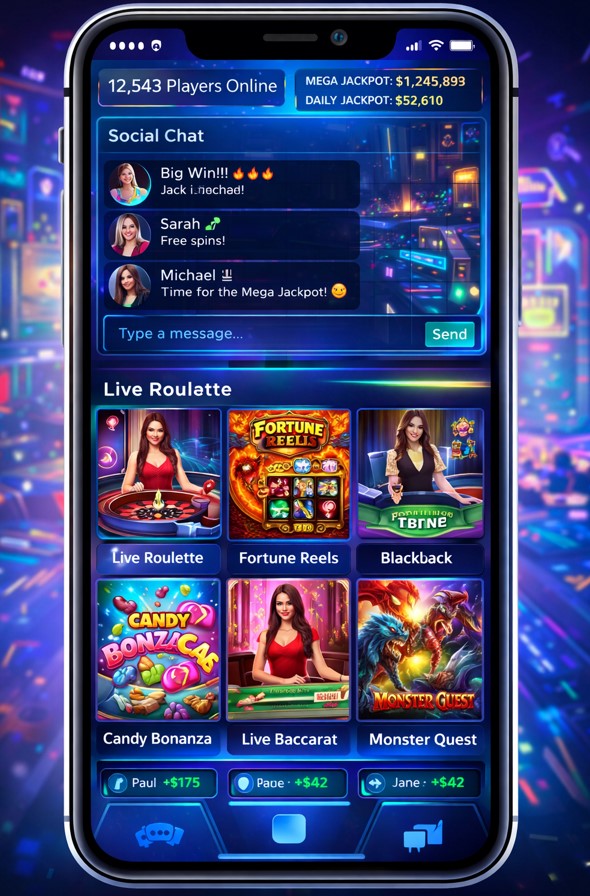
Why Does This Matter for iGaming Devs?
If you’re building a game for the regulated European iGaming market, you need to think about how it integrates with these backend checks:
- API-First Design. Your game client must be light enough to make real-time calls to compliance servers without making the spin animation stutter.
- Dynamic Limits. The game UI may have to change, according to the risk profile of the player. A high-roller interface can be designed to simplify itself automatically when the backend is notified that the player is at risk, by removing flashy lights or near-miss visual effects.
It may sound limiting, but it is an opportunity. The platforms that can handle this seamlessly – like Soft2Bet’s turnkey solutions – are the ones that will win the trust of the big European operators.
Social Trends Shaping the Global iGaming Market
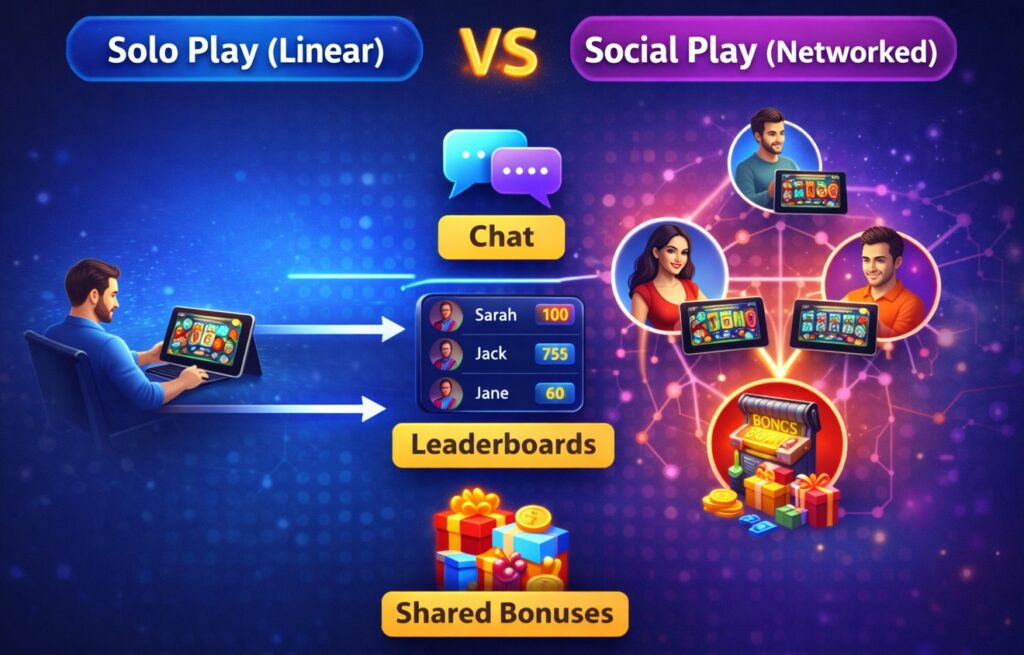
Do you remember the times when online gambling was a one-man game? You, a screen, and a spin button. That is going away. The new generation (Gen Z and the alphas) has been brought up on Discord groups and Twitch streams. They do not want to play alone. They would like to play in co-op, although they still prefer to place bets individually.
The Rise of Community Lobbies
By 2026, we think the normal site’s lobby will be replaced by social hubs, changing the iGaming market:
- Shared Liquidity Pools. Consider a crash game where there are 500 individuals who bet on the same multiplier. When it collapses, the chat blows up. Their mutual emotional experience is strong.
- Bet with a Streamer. New technologies will allow players to connect their game to the game of a streamer. When the streamer starts a bonus round, the viewers are allowed to participate in the action.
Tech Stack for a Fast-Paced iGaming Market
1) 5G Tech
Even with the best graphics, you will lose the player if it requires 10 seconds to load on a 5G connection in a subway tunnel. The 5G and the 44 milliseconds are going to become the standard. According to the new studies, 5G latency in Europe is down to approximately 44 milliseconds. That is fast. It allows us to provide cloud games that are smooth.
2) WebGL and WebAssembly
They will be the primary tools in 2026. We are liquidating large asset packages. Games must load instantly.
3) PWA (Progressive Web Apps)
Gambling apps are a challenge to the App Store. PWAs allow you to bypass the store yet remain like a native app. If you don’t make your games work with PWA wrappers, you will lag behind in the mobile iGaming market.
What Do Developers Need for the 2026 iGaming Market?
What should you write on your whiteboard then, should you be an iGaming developer planning your next 18 months:
- Hybrid Mechanics: Combine the randomness of a slot and the ability of a casual game. Suppose Candy Crush and Book of Dead met.
- Lightweight Clients: Be thin. You should have a very good reason to have a game bigger than 50MB.
- Social Hooks: Add a chat API. Add a “high-five” button. Allow players to be aware of one another.
- Trust Signals: Present the math. Nowadays, most iGaming players, not only crypto gaming sites, are required to play Provably Fair.
FAQ
What is the biggest trend for the iGaming market in 2026?
The largest trend is the hyper-personalization of AI and Motivational Engineering. This implies that the gameplay can vary immediately depending on the way the player behaves.
Will VR finally become a reality in 2026?
Maybe. The hardware of PCs and smartphones is becoming better, but the majority believe that the iGaming market will revolve around mobile AR (augmented reality) and lightweight social hubs rather than the support of full VR headsets.
What is the impact of regulation on game development?
Control compels iGaming developers to make the game compliant at the beginning. Games should verify that players can afford to play and are not too young, without ruining the experience.
Why is Soft2Bet mentioned as a leader in the European iGaming market?
Owing to their MEGA platform. It demonstrates that gamification may increase retention and revenue by 65% NGR and stay afloat in challenging markets.
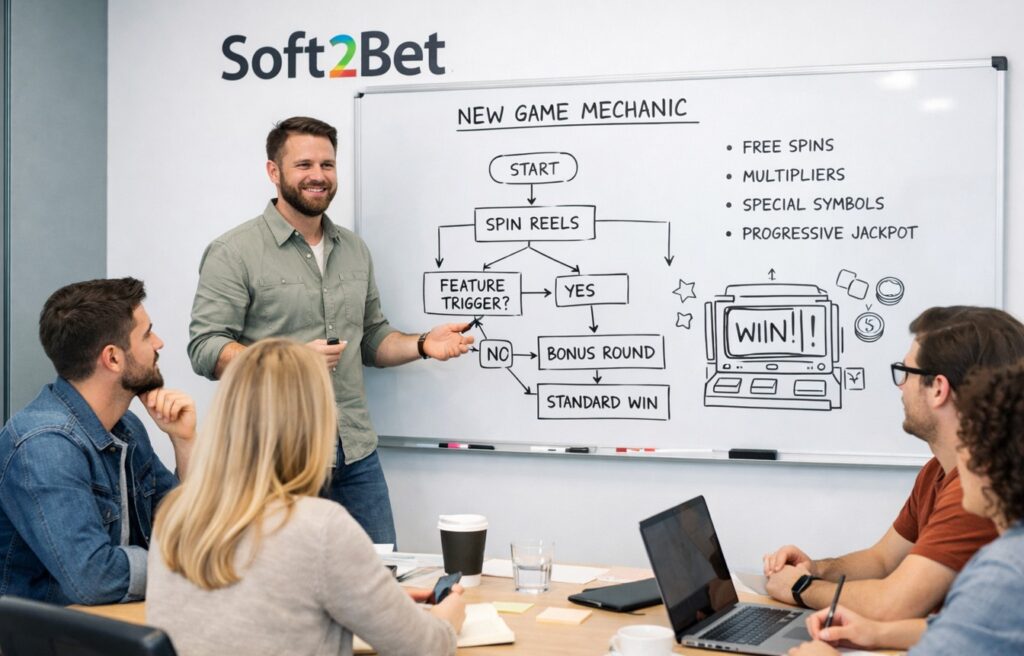
What is Motivational Engineering?
When it comes to gameplay mechanics, such as progression, collections, and social competition, to make players stay in a certain game longer, rather than relying only on the thrill of gambling mechanics.
The Bottom Line
The European iGaming market in 2026 won’t care about the flashiest graphics. It will be concerned with who knows the player’s behavioral patterns best. It is a combination of the gambling thrill, the amusement of a PC/mobile game, and the safety of a bank account, along with cash rewards. It is difficult to consider for a small game dev team, but it will be worth the effort.
If this research post sparked some ideas, please support us by bookmarking this page and sharing it across your social media channels. We’re always looking for new partners, so feel free to message the YaninaGames team directly if you’re interested in creative or commercial collaboration. Let’s connect and see what we can build together!